The 1960s File Feature
He's Sure The Boy I Love
He's Sure The Boy I Love by The Crystals Picture the closing days of 1962, when the airwaves crackled with the lush, dramatic sound of the girl group. Teenag…
01 The Story
"He's Sure The Boy I Love" by The Crystals
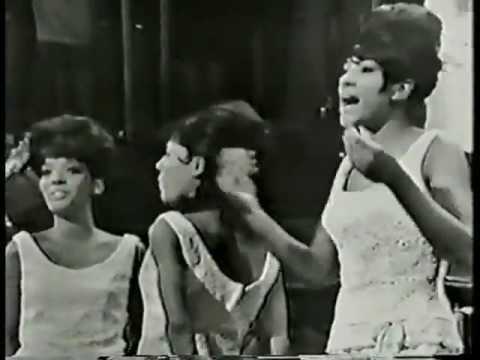
Picture the closing days of 1962, when the airwaves crackled with the lush, dramatic sound of the girl group. Teenage voices soared over walls of sound built by ambitious young producers, and every other record seemed to be a miniature symphony of longing. Into that golden moment stepped The Crystals with a song that captured the messy, glorious reality of young love better than almost anything around it.
A Group At The Center Of An Era
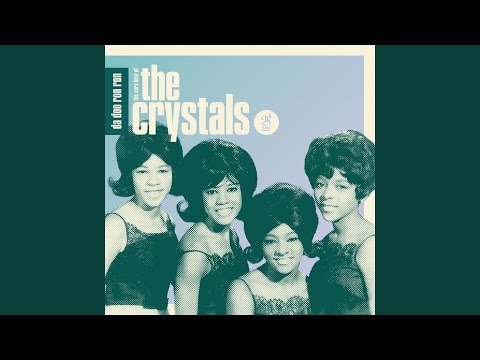
By late 1962, The Crystals were among the most important acts on the legendary Philles Records, the label co-founded by producer Phil Spector. They had already scored major hits and helped define the girl-group sound that ruled the early 1960s. The group's lineup shifted over the years, and Spector's studio methods sometimes complicated who actually sang on a given record, but their string of singles placed them at the very heart of the era. This song arrived as the group was riding high, a key entry in one of the most celebrated catalogs in pop history.
The Wall Of Sound
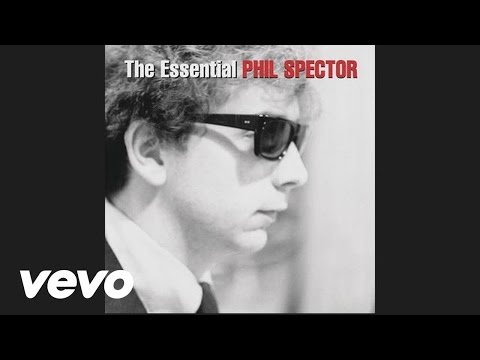
The song was written by the formidable team of Gene Pitney, who composed the track, and it received the full Spector treatment in the studio. The production is dense and cavernous, layering instruments, voices, and echo into the towering sonic style that became known as the Wall of Sound. Strings swell, percussion thunders, and the lead vocal rides atop it all with aching sincerity. The arrangement transforms a simple love song into something epic, a teenage emotion blown up to the scale of a movie soundtrack. That grandeur is exactly what made these records so intoxicating to listeners, who heard their own feelings reflected back at cinematic size.
A Song About Loving An Imperfect Boy
What sets the lyric apart is its refreshing honesty. Rather than describing a flawless dream boy, the song celebrates a young man who is decidedly imperfect, someone without money, fancy clothes, or smooth manners. The narrator loves him anyway, fiercely and without apology. That willingness to embrace flaws gives the song a warmth and realism that elevated it above the typical idealized romance. It spoke to listeners who knew that real affection rarely matches the glossy fantasies sold elsewhere on the radio.
Climbing The Hot 100
The single debuted on the Billboard Hot 100 on December 29, 1962, entering at number 93. From there it climbed steadily through the new year, leaping into the 70s, then the 50s, and on into the 30s as listeners embraced it. The record peaked at number 11 on February 16, 1963, just missing the Top 10, and spent 12 weeks on the chart. That run confirmed the group's continued commercial strength and added another memorable entry to the Philles hit parade during the label's most fertile period.
The Tangled Question Of Who Sang It
One of the most fascinating aspects of this record is the lingering question of exactly which voices appear on it. Phil Spector's studio practices were notoriously fluid, and he was known to use whichever singers suited his vision regardless of the name on the label. The Crystals' recordings from this era have long been the subject of discussion among music historians, with credits and lineups sometimes blurring in the haze of Spector's methods. That ambiguity is itself a window into how records were made in the early-1960s production era, when the producer often mattered more than the performers whose names appeared on the sleeve. Spector treated his acts as instruments in service of his larger sound, a controversial approach that nonetheless produced some of the most beloved music of the decade. Whatever the precise details, the record stands as a triumph of that singular, producer-driven vision.
Press Play
Put this on to hear the girl-group era at its most gloriously overblown, a wall of sound wrapped around a love song that dares to be honest about imperfection. It is pure early-1960s magic, and it still sweeps you up after all these years.
"He's Sure The Boy I Love" — The Crystals's singular moment on the 1960s charts.
02 Song Meaning
What "He's Sure The Boy I Love" Is Really About
At its core, this is a song about loving someone for who they are rather than for what they have. The narrator describes a young man who lacks money, status, and polish, then declares that none of it matters because her heart is set on him completely. It is a celebration of genuine affection over surface appeal.
Devotion Beyond Material Things
The central theme is the triumph of real feeling over worldly expectations. The narrator acknowledges that her chosen boy cannot offer wealth or impressive credentials, yet she loves him without reservation. The song rejects the idea that romance must be earned with possessions, insisting instead that character and connection are what count. That message gave the song a quiet subversiveness, pushing back against the materialism that surrounded young people even then.
Honesty About Imperfection
What makes the lyric so endearing is its refusal to idealize. Many love songs of the era described flawless dream partners, but this one embraces a flesh-and-blood young man with obvious shortcomings. That honesty made the song deeply relatable, especially to listeners whose own romances looked nothing like the polished fantasies on the radio. The narrator's clear-eyed acceptance of her partner's flaws reads as a more mature and truthful kind of love.
The Girl-Group Voice
The song also carries the broader cultural significance of the girl-group movement, which gave young women a powerful voice in popular music. These records expressed female desire and emotion directly and unapologetically, at a time when such expression was still relatively rare on the charts. The narrator's confident declaration of love placed female feeling front and center, part of the era's quiet expansion of who got to speak in pop music.
A Young Woman's Pride
There is real pride in the narrator's voice as she describes her chosen boy. She is not apologizing for her choice or defending it defensively; she is announcing it with joy and conviction. That confidence gives the song a quiet feminist undercurrent, the sound of a young woman trusting her own heart over the judgments of others. She knows what she wants and refuses to be swayed by appearances or expectations. That self-assurance, delivered through the girl-group format, made the song feel empowering as well as romantic, a celebration of a young woman's right to choose love on her own terms.
Why It Resonated
The song connected because its message is both reassuring and universal. Everyone wants to be loved for who they truly are, flaws and all, and this song affirms that such love is possible. Wrapped in Phil Spector's grand production, that simple, generous sentiment became something transcendent, a teenage anthem of devotion that still speaks to anyone who has ever loved an imperfect person completely.
→ More from The Crystals
View all The Crystals hits →
→ More from the 1960s File
View all 1960s hits →




Keep digging