The 1960s File Feature
Surfin' Safari
Surfin' Safari — The Beach Boys (1962) "Surfin' Safari" was the record that launched The Beach Boys into national consciousness, transforming a group of teen…
01 The Story
Surfin' Safari — The Beach Boys (1962)
"Surfin' Safari" was the record that launched The Beach Boys into national consciousness, transforming a group of teenagers from Hawthorne, California into one of the most commercially and artistically significant bands in American popular music history. Released in the summer of 1962, the song arrived at a precise cultural moment when surf culture was expanding beyond its Southern California origins into a national phenomenon, and when the American music industry was hungry for the next wave of youth-oriented pop after the initial rock and roll excitement of the late 1950s had somewhat subsided.
The Wilson family, centered on brothers Brian, Dennis, and Carl Wilson, along with cousin Mike Love and friend Al Jardine, had been performing together in various configurations since the early 1960s. Dennis Wilson, the only actual surfer in the group, suggested to Brian that surf culture might be compelling subject matter for the songs they were writing. Brian Wilson, already demonstrating the melodic gifts and harmonic sophistication that would eventually make him one of the most celebrated figures in American pop, ran with the idea and wrote what would become their first major hit.
The group had already recorded "Surfin'" for the small local label Candix Records in 1961, generating regional airplay and interest but limited national reach. That regional success attracted the attention of Capitol Records, which signed The Beach Boys in 1962, providing them with the major-label distribution and promotional infrastructure necessary for national commercial success. "Surfin' Safari" was the first single they recorded and released for Capitol.
The song was written by Brian Wilson and Mike Love, and it established several of the elements that would define the early Beach Boys sound and the broader surf pop genre they helped create: the celebration of California coastal life as an idealized American existence, the call-and-response vocal arrangements, and the blend of Chuck Berry-influenced guitar riffs with the close-harmony vocal approach that distinguished the group from the more straightforwardly rock and roll artists of their era.
The production was handled by Nick Venet, a Capitol Records staff producer, though Brian Wilson was already beginning to assert himself as the group's primary creative force behind the boards. The recording captures the energy and directness of the group's live sound while applying the polish of professional studio production, and the result is a record that sounds both spontaneous and carefully crafted.
"Surfin' Safari" reached number fourteen on the Billboard Hot 100 following its release in the summer of 1962, and the B-side "409" also charted strongly, an unusual achievement for a debut single's flip side and an early indication of the commercial strength of the group's appeal. The double-sided chart success confirmed Capitol's investment and secured the group a recording contract that would sustain one of the most productive artist-label relationships in American pop history.
The debut album of the same name was released by Capitol Records in October 1962 and reinforced the commercial success of the single. It presented the group's early sound in full, a mixture of original surf and car-themed compositions with covers of material by Chuck Berry and other early rock and roll figures that revealed the musical roots underlying their California pop sound.
The timing of "Surfin' Safari's" success was historically significant. The song arrived precisely when the surf culture phenomenon was at its most expansive in its American cultural presence, when surfing magazines were proliferating, surf movies were appearing in theaters, and the specific aesthetic of Southern California beach life was being exported to audiences across the country who would never see the Pacific coast. The Beach Boys gave this culture a soundtrack and, more importantly, gave American teenagers who had no connection to surfing a way to imaginatively participate in its promise of sun, freedom, and youth.
The guitar work on the record, with its Chuck Berry-derived riffs adapted for surf context, helped define a sonic vocabulary that would be extended and elaborated by subsequent artists in the surf rock genre, including Dick Dale and the Del-Tones, Jan and Dean, and the countless regional surf bands that proliferated across the country in the early 1960s. The Beach Boys' harmonic approach, however, set them apart from the more instrumentally focused surf music that had preceded them and made their music accessible to audiences who might not have responded to the primarily instrumental surf guitar recordings that had been the genre's earliest commercial form.
Critical reassessment of the early Beach Boys catalog has generally acknowledged that records like "Surfin' Safari," while less ambitious than the extraordinary work Brian Wilson would produce later in the decade, are accomplished and historically important records that established a pop aesthetic of considerable lasting influence. The group was inducted into the Rock and Roll Hall of Fame in 1988, and Brian Wilson in particular has been repeatedly recognized as one of the most creative figures in American pop music history, with "Surfin' Safari" occupying its place in that history as the beginning of a remarkable creative journey.
The song's cultural legacy extends beyond its specific commercial performance. It helped define the image of California as a promised land of youth and freedom in the American imagination, an image that the Beach Boys would develop and complicate across the many years of their career. The Beach Boys' California mythology, launched with "Surfin' Safari," became one of the most potent and enduring mythological constructs in American popular music, influencing generations of artists and listeners long after the specific surf culture moment that produced it had passed into nostalgia.
02 Song Meaning
The Meaning of "Surfin' Safari" by The Beach Boys
"Surfin' Safari" is a song about possibility, specifically the possibility that summer and youth and the particular geography of Southern California make available to those lucky enough to inhabit them. Its lyrical content describes a road trip in search of the best surfing spots along the California coast, but its emotional content is much larger: it is about the specific quality of freedom that belongs to young people in summer, the sense that the world is available and adventure is immediate and the best version of life is happening right now.
This is an extraordinarily simple emotional argument, and the song makes no attempt to complicate or deepen it. That simplicity is not a limitation but a feature. Brian Wilson and Mike Love understood, even in the earliest stages of their career, that popular music's most powerful register was often not complexity but intensity, the ability to capture a feeling at its purest and most immediate and project it with enough energy and craft to make listeners feel it directly.
The California of "Surfin' Safari" is not a real place but a mythological one. The actual beach communities of early-1960s Southern California were complex social environments with their own hierarchies, anxieties, and exclusions. The song does not describe any of this. Instead, it presents an idealized version of coastal California life as a landscape of pure physical pleasure and social freedom, a place where the only agenda is finding the best waves and the only social currency that matters is the ability to ride them.
This mythologization of California was one of the Beach Boys' central cultural contributions, and "Surfin' Safari" is where it begins. The California they described was an aspirational geography for millions of American teenagers who lived far from any coast and who experienced Southern California life entirely through the media artifacts, songs, movies, and magazines, that the culture industry produced about it. The Beach Boys gave those teenagers an imaginative access point to a world that was simultaneously real and fantastically idealized.
The song's invitation structure is worth noting. The narrator is not simply describing surfing but inviting the listener to join a safari, to participate in the adventure rather than merely observe it. This invitation is an important element of the Beach Boys' early appeal: their music did not merely celebrate California life but offered imaginative membership in it to anyone who listened. The democratic fantasy of inclusion, the sense that the California summer was available to all who could hear the music, was a powerful offer, and it found an enormous audience among young people looking for exactly this kind of imaginative escape.
The musical form through which this emotional content is delivered is also meaningful. The Chuck Berry guitar riffs that anchor the track connect surf culture to the broader tradition of American rock and roll, grounding California's specific geography within the national tradition of youth music that Berry had helped establish. The Beach Boys' contribution was to add their distinctive close-harmony vocals to this foundation, creating a sound that was simultaneously rooted in American pop tradition and distinctively their own.
For the Beach Boys' subsequent artistic development, "Surfin' Safari" is most meaningful as a starting point. The California mythology it helped establish would be developed, complicated, and eventually transcended as Brian Wilson moved toward the more introspective and musically sophisticated work of the mid-1960s. Songs like "In My Room," "God Only Knows," and the entire Pet Sounds album represent the other side of the California mythology, the loneliness and interiority that coexist with the sunny sociability of the early surf records. Understanding what "Surfin' Safari" started makes the later evolution more meaningful and more poignant.
The song ultimately means most as a document of a specific and historically located form of American optimism, the belief that freedom was available, that pleasure was the appropriate pursuit of youth, and that the best version of American life was waiting somewhere along the California coast. That optimism would have a relatively short cultural shelf life before more complicated realities intruded, but while it lasted it was genuinely powerful, and "Surfin' Safari" captured it at its most innocent and most appealing.
→ More from The Beach Boys
View all The Beach Boys hits →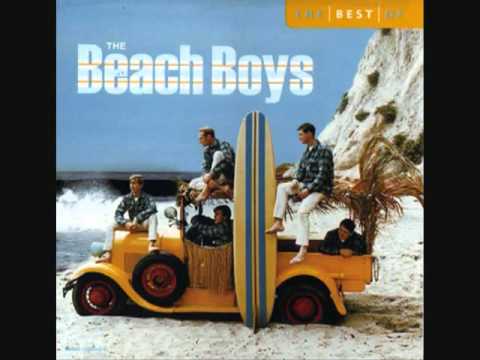


→ More from the 1960s File
View all 1960s hits →




Keep digging