The 1960s File Feature
Help Me, Rhonda
"Help Me, Rhonda" — The Beach Boys Reach Number One California's Finest, Back on Top The spring of 1965 felt electric along the California coastline. Transis…
01 The Story
"Help Me, Rhonda" — The Beach Boys Reach Number One
California's Finest, Back on Top
The spring of 1965 felt electric along the California coastline. Transistor radios were everywhere, volume cranked up in parked cars and on beach blankets, and the competition for America's ears had never been fiercer. The Beatles had stormed the country just one year before, reshaping pop in their image, and the pressure on every American act to keep pace was immense. The Beach Boys, however, were not just keeping pace. They were building toward one of the most satisfying chart runs of the decade.
Brian Wilson, the group's primary creative engine, had already demonstrated his gift for stacking harmonies so thick and luminous they seemed to radiate warmth. By early 1965, the group had scored a string of hits, but their position at the commercial summit felt precarious. Then came Help Me, Rhonda, and everything clicked.
From Album Cut to Radio Juggernaut
The song had an earlier life. A version appeared on the 1965 album The Beach Boys Today!, rougher in feel and slightly different in arrangement. The single released to radio was a re-recorded version with tighter production, a more insistent rhythm, and a vocal performance from Al Jardine that carried real urgency. The choice to re-cut the track rather than simply lift the album version shows the care the group brought to their singles, treating radio as its own distinct medium with its own demands.
The production sparkles with the group's signature layered vocals, but there is also a directness to this record that sets it apart from some of their more ornate work. The electric guitar jangles with clean confidence. The tempo pushes forward without letting up. The whole track feels like something building toward release.
The Climb to Number One
The chart trajectory of Help Me, Rhonda is one of the most satisfying in the group's catalog. Debuting at number 80 on April 17, 1965, the single moved with steady momentum over the following weeks: 65, then 35, then 21, then 6. Each jump represented real radio traction, real listener response, real momentum building from the ground up. On May 29, 1965, the song reached number one on the Billboard Hot 100, where it held. It spent 14 weeks on the chart in total.
This was the group's second number one single, following I Get Around from the previous year, and it confirmed that their commercial peak was not a fluke. At a moment when British acts dominated the upper reaches of the chart, the Beach Boys had reclaimed the summit for American pop.
Al Jardine's Moment in the Spotlight
Lead vocal duties on the single went to Al Jardine, a choice that distinguished this track from the group's standard rotation. Brian Wilson led many of the group's biggest records, as did Mike Love. Jardine's voice on this track carries a different quality, an earnest, slightly rougher edge that suits the song's story of romantic frustration. The decision to feature him on the single version gave the record a freshness that the earlier album take had not fully captured.
For Jardine, this was a rare moment in the commercial spotlight, and he made the most of it. His phrasing on the chorus pushes with genuine feeling, and the harmonies surrounding him function as both support and counterpoint, the rest of the group lifting the chorus into something larger than one voice could manage alone.
A Legacy That Holds
Decades later, Help Me, Rhonda remains one of the defining sounds of mid-1960s American pop. It sits comfortably alongside the group's greatest commercial achievements and speaks to a specific moment when The Beach Boys were simultaneously California dreamers and ferocious competitors at the top of the charts. The song's energy, that forward-pushing groove and the sheer buoyancy of the group's harmonies, has not faded with time.
Cue it up and listen to those stacked voices climbing toward the chorus. That sound is what victory felt like in the spring of 1965.
"Help Me, Rhonda" — The Beach Boys' singular moment on the 1960s charts.
02 Song Meaning
"Help Me, Rhonda" — Heartbreak, Recovery, and the California Summer Sound
The Shape of Romantic Desperation
At its core, Help Me, Rhonda is a song about someone trying to get over a lost love by throwing themselves into a new one. The narrator has been left behind, hurt and diminished by someone who chose another partner, and turns to Rhonda as the remedy. The appeal is direct and uncomplicated, which is precisely what makes it work. The song does not linger in self-pity; it pivots toward action, toward finding warmth in someone new.
This is not a particularly unusual theme in pop music, but The Beach Boys deliver it with such conviction and musical energy that the sentiment feels fresh. The voices push so enthusiastically toward the chorus that the listener cannot help but believe the narrator's need is genuine. The song earns its emotional transparency by committing fully to it.
Recovery as a Theme in Mid-1960s Pop
The mid-1960s pop landscape was filled with songs about young love, its arrival, its departure, and the scramble to find it again. Listeners at the time were mostly teenagers or young adults navigating similar emotional terrain, and songs that reflected that experience with directness found ready audiences. The plea structure of the chorus, the repeated call to Rhonda for help, taps into a universal feeling of needing someone to pull you out of your own head after loss.
What distinguishes the song from the average heartbreak pop of its era is the optimism underneath the plea. The narrator is already moving forward; he is not paralyzed. He wants help, but he is actively seeking it. That forward motion matches the song's musical energy perfectly, a brisk tempo that refuses to wallow.
Harmony as Emotional Architecture
The Beach Boys' vocal arrangements function as part of the song's meaning. When multiple voices lock together on the chorus, the effect is communal rather than solitary. The narrator may be making a personal plea, but those harmonies make it feel like a shared experience, as if an entire generation is calling out to Rhonda together. The group's stacked voices transform a private moment into something collective, which is one reason the song connected with so many listeners simultaneously.
This was a quality unique to the Beach Boys among their American contemporaries. No other act of that era could use vocal layering so naturally as an emotional tool, making large feelings feel both intimate and universal at once.
Why It Resonated Then and Now
Audiences in 1965 responded to the song's directness at a time when pop was beginning to inch toward more complex lyrical territory. Help Me, Rhonda offered uncomplicated pleasure: a great melody, irresistible harmonies, and a chorus that lodged itself in the memory after a single listen. Its chart run to number one on May 29, 1965, across 14 weeks on the Billboard Hot 100, confirmed that this directness was not a limitation but a strength.
Today the song retains its appeal because it captures something authentic about human emotional life: the desire to move on, to find warmth after coldness, to replace sorrow with something better. That is not nostalgia. It is simply true.
"Help Me, Rhonda" — The Beach Boys' singular moment on the 1960s charts.
→ More from The Beach Boys
View all The Beach Boys hits →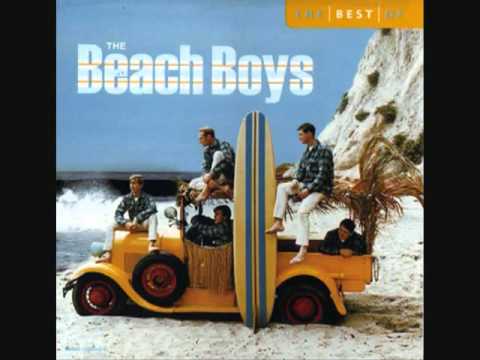


→ More from the 1960s File
View all 1960s hits →




Keep digging