The 1960s File Feature
Barbara Ann
Barbara Ann — The Beach Boys' 1966 Party Record That Almost Wasn't A Singalong Born at a Recording Session The Beach Boys in late 1965 were in the middle of …
01 The Story
Barbara Ann — The Beach Boys' 1966 Party Record That Almost Wasn't
A Singalong Born at a Recording Session
The Beach Boys in late 1965 were in the middle of what would become one of the most celebrated creative evolutions in rock history. Brian Wilson was working on the material that would eventually become Pet Sounds, pushing the band's studio ambitions in directions that had little to do with the surf pop that had made them famous. The tension between Wilson's increasingly sophisticated compositional vision and the commercial expectations of a group that had been delivering hits for four years was real and productive, but it left a question hanging over the recording sessions: what would the next album sound like?
The answer to the party question came almost by accident. During a late-night session in the fall of 1965, with Dean Torrence of Jan and Dean present in the studio, the group ran through a version of "Barbara Ann," originally recorded and written by Fred Fassert and made famous by the Regents in 1961. The performance was loose, joyous, and completely unlike the polished studio work that characterized the band's official output. Brian Wilson sat this one out; the lead vocal was handled by Dean Torrence alongside the Beach Boys, giving the recording a guest-star quality that added to its casual energy.
From Party Tape to Top Two
The recording was included on Beach Boys' Party!, an album released in November 1965 that was conceived as a relaxed, acoustic counterpoint to the band's more elaborate work. The album's format, designed to sound like a casual gathering of musicians having fun, gave "Barbara Ann" the perfect context. The handclaps, the slightly ramshackle ensemble vocal, the cheerful call-and-response structure all fit the party premise exactly. Capitol Records released "Barbara Ann" as a single from the album, and the public response was immediate and overwhelming.
The single debuted at number 81 on the Billboard Hot 100 on January 1, 1966, entering the chart at the very start of the new year. The climb was among the most dramatic of the mid-1960s, moving from 81 to 58 to 31 to 15 in successive weeks before reaching its peak of number 2 on January 29, 1966. The record spent eleven weeks on the chart and became the biggest hit to emerge from the Party! album, demonstrating that sometimes the most commercially effective recordings are the ones made with the least amount of commercial intention.
The Song's History Before the Beach Boys
Fred Fassert wrote "Barbara Ann" for the Regents, a doo-wop group from the Bronx who recorded it in 1961. Their version had reached number 13 on the Hot 100, establishing the song's credentials as a genuine pop vehicle before the Beach Boys transformed it into something even larger. The song's appeal resided in its simplicity: a series of syllables built around a name, a vocal hook so elemental that it required almost no structural support to lodge itself in the memory permanently.
The ba-ba-ba hook that opens and runs through the song is one of the more purely pleasurable sounds in the Beach Boys catalog, not because of its sophistication but precisely because of its lack of it. The joy of collective singing, of voices joining together around a sound that requires nothing from the participant except participation, is captured in that hook with unusual directness. The Beach Boys' harmonies, even in a casual party setting, gave the sound a warmth and precision that elevated the material.
What It Said About Where the Band Was Going
The success of "Barbara Ann" in early 1966 coincided with the completion of Pet Sounds, which would be released in May of that year. The contrast between the two projects could hardly have been more dramatic. Pet Sounds was a work of elaborate studio construction and emotional depth; "Barbara Ann" was a party recording of stunning artlessness. Yet both projects reflected something true about the Beach Boys, their capacity for joy alongside their ambition for something more.
The number 2 peak positioned "Barbara Ann" as one of the group's biggest early 1966 achievements, sitting at the top of the chart during a period when the British Invasion was still reshaping American pop radio. Held off the top spot by competition from other major acts, the record nonetheless demonstrated the enduring commercial power of the group even as Wilson was taking them in new directions.
The Song's Cultural Permanence
Few records from 1966 have achieved the sustained cultural presence of "Barbara Ann." It has appeared in films, television programs, and advertising over six decades, and its opening hook remains instantly recognizable to listeners who have no particular connection to the Beach Boys catalog. The approximately 552,000 YouTube views capture only a fraction of the song's continued reach, which extends through streaming platforms, classic radio formats, and the cultural memory of everyone who has ever heard those syllables and felt compelled to sing along. That is what genuine pop instinct sounds like. Press play and resist the urge.
"Barbara Ann" — The Beach Boys' singular moment on the 1960s charts.
02 Song Meaning
The Meaning of "Barbara Ann" by The Beach Boys
The Pleasure of Pure Sound
Not every great pop song carries a complex emotional message. Some records earn their place in the cultural memory by doing something simpler and in some ways more impressive: they capture a pure feeling of pleasure and make it contagious. "Barbara Ann" belongs to this category of pop song. Its meaning is located not in its lyrical content, which is minimal and playful, but in the physical experience of hearing it, the immediate impulse to join in, to reproduce those opening syllables with whatever voice you have available.
The ba-ba-ba vocalization that opens and runs through the song is a masterclass in the contagion of sound. It is not mimicking words; it is pure vocal texture, a sound that exists to be reproduced rather than interpreted. Songs built around this kind of participatory hook operate on a different emotional register than songs about love or loss or longing. They create community through shared physical action, through the synchronization of voices that happens spontaneously when a group of people encounter a sound they cannot resist repeating.
The Doo-Wop Tradition and Its Joys
Fred Fassert wrote "Barbara Ann" within the doo-wop tradition that had shaped American vocal pop through the 1950s and early 1960s. Doo-wop understood something essential about music-making: that the human voice, arranged in harmony with other human voices, was capable of generating pleasure that no instrument could fully replicate. The syllabic playing of doo-wop, its willingness to reduce language to pure sound in service of harmonic and rhythmic pleasure, represented a genuinely democratic approach to music-making, one that required technique but not complexity.
The Beach Boys absorbed that tradition deeply. Their vocal harmonies were more sophisticated than most doo-wop groups technically, but the emotional impulse was similar: the pleasure of voices locking together in a way that felt both effortless and inevitable. "Barbara Ann" gave them an opportunity to indulge that pleasure without the mediation of Brian Wilson's more elaborate compositional frameworks, and the result was something that captured the essence of what made the group extraordinary in a format that anyone could immediately appreciate.
Celebration Without Occasion
One of the interesting qualities of "Barbara Ann" as a piece of popular culture is that it does not require any particular occasion to work. Most celebratory music is tied to specific events, weddings, parties, sporting victories, seasonal celebrations. "Barbara Ann" carries the feeling of celebration without being anchored to any particular occasion, which makes it perpetually available for any moment when someone wants to feel the uncomplicated joy that the record generates. This contextual flexibility is rare in pop music and helps explain why the song has remained in active cultural circulation for six decades.
The party context of its original recording actually contributed to this quality. By capturing a late-night recording session that felt like a genuine social gathering, the Beach Boys gave the song a real occasion of origin while simultaneously liberating it from any requirement to recreate that specific occasion for it to work. The song carries the spirit of the party without requiring the party.
Why Simplicity Outlasts Complexity
The Beach Boys' catalog includes some of the most harmonically and lyrically sophisticated recordings in pop history. "Barbara Ann" is one of their simplest. And yet it has proven at least as durable as much of the more complex work, precisely because its simplicity places no demands on the listener. Accessibility without condescension is one of pop music's hardest achievements, and "Barbara Ann" demonstrates that the difference between a sophisticated simple record and a merely simple one lies in the genuineness of the joy that generated it. The record sounds like fun because it was fun, and that authenticity communicates across every decade since.
"Barbara Ann" — The Beach Boys' singular moment on the 1960s charts.
→ More from The Beach Boys
View all The Beach Boys hits →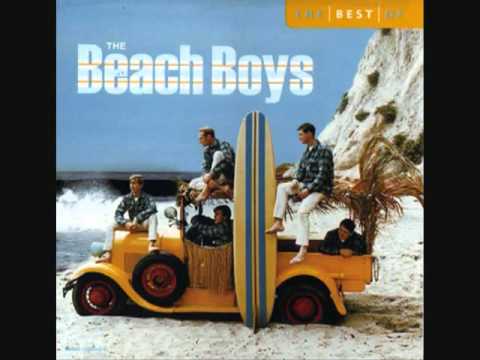


→ More from the 1960s File
View all 1960s hits →




Keep digging