The 1960s File Feature
409
"409" — The Beach Boys California Chrome and the Sound of a New Youth There is something almost cinematic about the way the Beach Boys entered American pop c…
01 The Story
"409" — The Beach Boys
California Chrome and the Sound of a New Youth
There is something almost cinematic about the way the Beach Boys entered American pop culture in 1962. They arrived on the scene at a moment when teenage life in California had been elevated to myth, a dreamscape of sunshine, surfboards, and open highways, and they brought musical gifts precise enough to make that myth feel like lived reality. 409 landed on the charts that October as the B-side to Surfin' Safari, but its subject was not the ocean. It was the automobile, and in particular one of the most celebrated engines American manufacturing had produced.
The Chevrolet 409 cubic-inch V8 engine was a performance legend among car enthusiasts, and the Beach Boys, led by the Wilson brothers and their cousin Mike Love, understood that the car held the same symbolic weight for American teenagers as the surfboard. Both represented freedom, speed, identity, and a particular kind of masculine ambition that the early 1960s youth culture had made central to its self-image. Brian Wilson and Mike Love wrote "409" as a straightforward celebration of that culture, a record designed to make listeners feel the horsepower through their speakers.
The B-Side That Kept Up
Released on Capitol Records in the summer of 1962, 409 appeared on the same single as Surfin' Safari, a double-sided commercial proposition that showed the range of the young band's appeal. While surfing defined one territory of the emerging California sound, car culture claimed another, and the two sides of the single illustrated that the Beach Boys were not a novelty act tied to a single theme but a genuine pop group with multiple creative avenues to explore.
The record debuted and peaked at number 76 on the Billboard Hot 100 on October 13, 1962, spending one week on the chart. This brief chart appearance should be understood in context: the group was still establishing itself nationally, and the shared billing with Surfin' Safari meant chart attention was divided between two songs. The A-side climbed significantly higher, but 409 found its own audience among the hot rod culture that followed it with genuine enthusiasm.
Production and the Sound of Speed
The production on 409 captures something genuinely exciting about the early Beach Boys sound. The group's vocal harmonies, already remarkably developed for a band so newly formed, give the song a sophistication that lifts it above simple novelty. The tight layered vocals that would become a Beach Boys signature are already clearly present, wrapping themselves around a subject that might seem purely trivial but which the singers treat with complete sincerity.
That sincerity matters. The song works because the people performing it genuinely love what they are singing about. Brian Wilson's production instincts, even at this very early stage, understood that authenticity of feeling was what separated memorable records from forgettable ones. The enthusiasm in the vocal performances is not manufactured; it reflects the actual cultural reality of young men in Southern California in 1962 for whom a powerful automobile was a genuine object of desire and pride.
Car Culture as American Poetry
In the early 1960s, the American automobile industry was at a peak of cultural prestige. Detroit's manufacturers competed to produce the fastest, most powerful, and most visually dramatic cars in the world, and each new model year brought genuine excitement to communities across the country. The 409 engine in particular had earned a reputation for racing performance that made it a touchstone for anyone following the emerging drag racing scene.
The Beach Boys, by dedicating a song specifically to this engine, were participating in a long tradition of American popular music engaging with technology as a symbol of aspiration. The record belongs to the same cultural lineage as the blues songs about trains and later rock and roll tracks about motorcycles and hot rods. Speed and power translated into song gave listeners a vicarious experience of something they might only dream of affording.
Foundation of a Catalog
Looking back from any distance, 409 reads as one of the foundational tracks of the Beach Boys' early career, establishing the car culture strand of their work that would run parallel to the surfing songs throughout 1962 and 1963. The track's combination of driving rhythm, enthusiastic vocal performance, and celebration of a very specific American cultural object set a template that the group would refine on subsequent recordings.
The song also demonstrates how early and how fully the Beach Boys understood their audience. They were not writing from outside teenage California culture looking in; they were that culture, translating its enthusiasms into three-minute pop records with remarkable efficiency. For listeners discovering this era of the band's work, 409 offers a vivid window into a specific time and place, and pressing play delivers that era with surprising force.
"409" — The Beach Boys' singular moment on the 1960s charts.
02 Song Meaning
"409" — Power, Speed, and the Mythology of the American Road
The Car as Cultural Symbol
To understand what 409 meant to listeners in 1962, you have to understand what automobiles meant to American teenagers of that era. The car was not simply transportation. It was identity, freedom, and status compressed into sheet metal and chrome. For young men especially, knowing the difference between a 283 and a 409 was a form of cultural literacy, a signal of belonging to a community with its own rituals, heroes, and competitive hierarchy. The Beach Boys tapped directly into this vernacular with a song that treated engine displacement as worthy of the same poetic attention that folk singers were giving to rivers and mountains.
The Chevrolet 409 had genuine racing credentials, having set records at drag strips across the country. When the song mentions specific performance details, it is speaking a language that enthusiasts understood immediately and that even non-enthusiasts could recognize as something real and specific rather than vaguely aspirational.
Teenage Identity and the Open Road
Early 1960s pop music was fascinated by youth as a distinct cultural category with its own values and desires. The Beach Boys' car songs, of which 409 was among the first, located that youth culture specifically within the landscape of Southern California: wide highways, drive-in restaurants, and the possibility of escape contained in a powerful engine. The song celebrates a specifically American fantasy of self-determination through speed.
There is an optimism built into the very premise of the track. The narrator of the song is not lamenting or protesting anything. He has found exactly what he wants, a car of exceptional power, and he wants to share that satisfaction with anyone willing to listen. That uncomplicated enthusiasm connects to a particular historical moment before Vietnam, before the social upheavals of the mid-1960s changed the emotional register of American youth culture permanently.
The Harmony as Amplifier
One of the interesting qualities of 409 is that its subject matter and its musical treatment create a productive contrast. The lyrics are entirely about mechanical performance, yet the vocal harmonies bring a richness and warmth that elevates the material above simple gearhead celebration. The Beach Boys could not help but make even a song about an engine sound beautiful, because that was simply what they did. The interplay between the roughness of the subject and the polish of the performance gives the track a distinctive texture.
This contrast would become a recurring feature of the group's car songs: the raw excitement of the cultural subject filtered through sophisticated vocal arrangement. The result is music that works simultaneously for listeners who care about cars and listeners who simply respond to great pop harmony, a breadth of appeal that explains the group's rapid commercial ascent.
An Era Captured in Three Minutes
Songs that celebrate specific consumer objects risk dating themselves instantly, and yet 409 retains its appeal decades after the specific car it celebrates has become a collector's item. The reason is that the song is ultimately about feeling rather than specification. The emotional content, the combination of desire, pride, and freedom, speaks to something that does not expire with the model year. Listeners who have never seen a 409-powered Chevrolet can still feel what the song is expressing, because the desire for power and the joy of speed translate across eras and contexts.
→ More from The Beach Boys
View all The Beach Boys hits →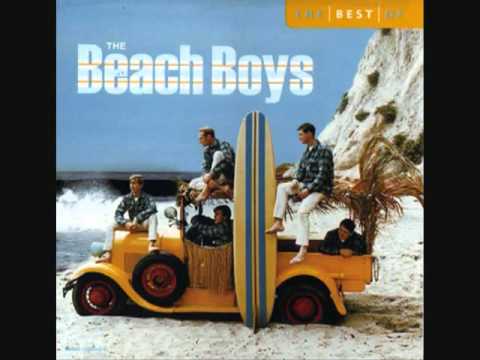


→ More from the 1960s File
View all 1960s hits →




Keep digging