The 1960s File Feature
Wedding Bell Blues
From Downtown to Number One: The Making of "Wedding Bell Blues" by The 5th Dimension "Wedding Bell Blues" by The 5th Dimension reached number one on the Bill…
01 The Story
From Downtown to Number One: The Making of "Wedding Bell Blues" by The 5th Dimension
"Wedding Bell Blues" by The 5th Dimension reached number one on the Billboard Hot 100 in November 1969, staying at the top position for three weeks and capping one of the most remarkable years any vocal group had assembled in the preceding decade. The song was written by Laura Nyro, the New York singer-songwriter whose work had provided The 5th Dimension with several of their most significant recordings, including "Stoned Soul Picnic" and "Sweet Blindness." The relationship between Nyro and The 5th Dimension was one of the more productive and unusual creative partnerships of the late 1960s pop landscape.
Laura Nyro had written "Wedding Bell Blues" about her real-life longing for her boyfriend at the time, later identified as musician and producer Felix Cavaliere of The Young Rascals. The song is an ardent, almost impatient expression of romantic desire directed at a specific, if unnamed, man, a plea for commitment dressed in the melodic language of pop and gospel. Nyro had recorded her own version on her 1966 debut album, but it was The 5th Dimension's recording that carried the song to its widest audience.
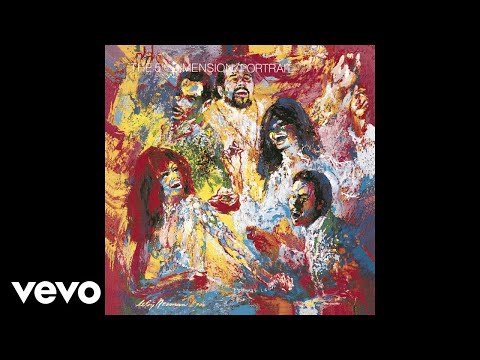
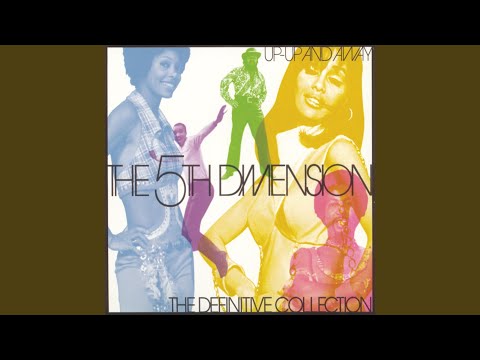
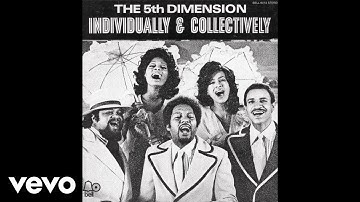
The 5th Dimension had formed in Los Angeles in the mid-1960s, originally as the Hi-Fi's before taking their new name. The group's lineup in 1969 consisted of Marilyn McCoo, Billy Davis Jr., Florence LaRue, Lamont McLemore, and Ron Townson, five voices of exceptional range and precision. Their sound blended soul, pop, and what was sometimes called "sunshine pop," with sophisticated arrangements that owed as much to Broadway and cabaret as to rhythm and blues. Producer Bones Howe and arranger Bob Alcivar shaped their recordings with an orchestral richness that suited Nyro's ambitious melodies.
The genius of The 5th Dimension's recording of "Wedding Bell Blues" lay partly in the decision to assign the lead vocal to Marilyn McCoo, a choice that anchored the song's first-person feminine longing in a voice of undeniable clarity and emotional directness. McCoo delivered the lyric with a pressing urgency that made the narrator's desire feel immediate and unguarded. The song is addressed directly to a man named Bill, and when McCoo sang that name, it sounded personal in a way that pop records rarely achieved, intimate even at full orchestral volume.
The single was released in 1969 on Soul City Records, the label founded by songwriter and producer Jimmy Webb and distributed through Bell Records. Soul City had been the home of The 5th Dimension's greatest successes, including their landmark recording of Webb's "Up, Up and Away" and the medley of Nyro songs "Aquarius / Let the Sunshine In," which had reached number one earlier in the same year. That medley had become one of the signature recordings of 1969, staying at the top of the Hot 100 for six weeks and winning the Grammy Award for Record of the Year. "Wedding Bell Blues" arrived in the fall of the same year, demonstrating that the group's commercial momentum showed no signs of slowing.
The song's chart success was emphatic. After climbing steadily through the upper reaches of the Hot 100, it reached number one and remained there for three consecutive weeks in November and December 1969. This made The 5th Dimension one of the rare groups to score two number-one singles on the Hot 100 in the same calendar year, a feat that underscored their commercial dominance at that particular moment in pop history.
Critics at the time recognized both the songwriting and the performance as examples of pop craft at its highest level. Nyro's melody is harmonically sophisticated, moving through chord changes that are unexpected without being abstruse, and The 5th Dimension's arrangement amplified that sophistication with layered vocal harmonies and a building orchestral texture that matched the song's emotional arc.
The recording's cultural footprint is substantial. It remains one of the defining pop singles of 1969, a year crowded with music of lasting significance. For The 5th Dimension, it represented the apex of their commercial career, and it helped establish Laura Nyro as one of the most gifted songwriters of her generation, a reputation that has continued to grow in the decades since. "Wedding Bell Blues" appears regularly on retrospective lists of the best pop records of the late 1960s, and Marilyn McCoo's vocal performance continues to be cited as among the finest of the era.
02 Song Meaning
The Impatience of Love: Unpacking "Wedding Bell Blues"
"Wedding Bell Blues" is, at its emotional center, a song about waiting. The narrator has been waiting long enough. She loves a man, she is confident he loves her in return, and yet the commitment she wants, the public and formal declaration that marriage represents, has not materialized. The song articulates the frustration of a woman who is not uncertain about her feelings or his but is uncertain about when, or whether, he will act on what both of them presumably feel.
What distinguishes Laura Nyro's writing in this song from simpler declarations of romantic longing is the specificity of address. The song is not addressed to a generic beloved. It is addressed to Bill, a name that appears repeatedly, giving the lyric a quality of direct confrontation rather than wistful musing. This specificity was autobiographical in origin, rooted in Nyro's actual feelings for an actual person, and that personal anchor gives the song its emotional precision. The narrator is not singing about love in the abstract. She is talking to someone, pressing him, asking him to be brave enough to make official what both of them already know.
The emotional register is one of ardent, slightly exasperated love. The narrator is not angry, not wounded, not on the verge of leaving. She is simply impatient, and her impatience is presented as a form of devotion. She wants more of him, wants all of him in the formal sense, wants the wedding bells the title promises. The song validates female desire, presenting a woman who knows what she wants and is willing to say so directly, which was more unusual in mainstream pop at the end of the 1960s than it might appear in retrospect.
Marilyn McCoo's interpretation of the lyric added crucial dimensions to Nyro's writing. McCoo's voice is warm and clear without being saccharine, and she delivered the song's pressing quality with a naturalness that made the narrator feel like a real person rather than a dramatic construct. The way McCoo sang the man's name, with equal parts affection and urgency, was one of the great vocal moments of the 5th Dimension's career.
Within the broader context of pop music in 1969, the song's themes resonated with a generation of women navigating the complicated territory between tradition and the emerging feminist consciousness of the era. The desire for marriage was not itself politically complicated, but the directness with which the narrator expressed that desire, the lack of coyness or indirection, aligned the song with a more honest emotional vocabulary that was beginning to take hold in popular culture.
The song also carries meaning in relation to The 5th Dimension's catalog as a whole. The group had spent their career performing material that was emotionally ambitious, lyrically sophisticated, and arranged with orchestral complexity. "Wedding Bell Blues" fit that profile exactly while being more nakedly personal than much of their earlier work. The specificity of the address, the named man, the unmistakable pressure of the narrator's desire, gave the record an intimacy that complemented the grandeur of the arrangement rather than being overwhelmed by it.
For Laura Nyro, the song's success at the hands of The 5th Dimension was evidence of the breadth of her songwriting, her ability to write material that other performers could inhabit fully, making songs feel personal and immediate even when sung by voices other than the one that originally conceived them. That quality of transferability without loss of emotional authenticity is the mark of a songwriter working at the highest level.
→ More from The 5th Dimension
View all The 5th Dimension hits →

→ More from the 1960s File
View all 1960s hits →




Keep digging