The 1960s File Feature
Tomorrow
Tomorrow by Strawberry Alarm Clock: Psychedelia's Ascending Ride, 1967-1968 At the very end of 1967, as the Summer of Love faded into memory and the counterc…
01 The Story
Tomorrow by Strawberry Alarm Clock: Psychedelia's Ascending Ride, 1967-1968
At the very end of 1967, as the Summer of Love faded into memory and the counterculture began its complex process of commercialization and fragmentation, Strawberry Alarm Clock released Tomorrow: a record that caught a wave still rising and rode it with remarkable commercial success. The song debuted on the last day of the year and climbed steadily through the first weeks of 1968, becoming the band's second significant chart entry and demonstrating that their particular brand of melodic psychedelia had genuine mainstream appeal beyond the Haight-Ashbury milieu that had first embraced them.
Strawberry Alarm Clock and the Psychedelic Mainstream
Strawberry Alarm Clock emerged from Los Angeles in 1967 with a sound that married the experimental impulses of the emerging psychedelic movement to melodic hooks strong enough to survive contact with Top 40 radio. Their earlier success with a song built around a distinctive flute hook and dreamy imagery had proved that psychedelia could chart, that the sounds being generated in underground studios and free concert parks had commercial potential that the major labels and radio programmers were beginning to recognize.
The band's lineup during this period featured multiple members who contributed to the songwriting and arrangement, and their recordings benefited from the West Coast studio culture that was producing some of the era's most sonically adventurous commercial releases. The sound of Strawberry Alarm Clock combined organ-driven arrangements, layered vocal harmonies, and production choices that signaled the influence of British bands while maintaining an unmistakably California sensibility.
Chart Ascent: From New Year's Eve to February
Tomorrow entered the Billboard Hot 100 on December 30, 1967, debuting at position 80. Over the following weeks it climbed with consistent momentum: 63, 51, 41, 29, and continuing upward through January and into February 1968. The single ultimately peaked at number 23 during the week of February 10, 1968, completing a ten-week chart run that saw it become one of the group's highest-charting achievements. Ten weeks on the Hot 100 with a peak in the top 25 represented genuine commercial success by any measure of the era.
The timing of the chart run placed Tomorrow in direct competition with some of the era's most commercially dominant acts: Motown artists at the height of their commercial power, emerging hard rock acts, and the remnants of the British Invasion were all competing for the same chart positions. That Strawberry Alarm Clock held its own within that field speaks to the record's genuine appeal.
The Sound of Tomorrow
The production of Tomorrow reflects the psychedelic pop approach that the band had developed into a working method: major-key melodies with a slightly modal quality, organ and guitar intertwined in the arrangement, and vocal harmonies that give the record an airborne quality, as though it might drift away if you stopped listening. The song's tone is optimistic in the particular way that late-1960s psychedelic pop could be: forward-looking, slightly dreamlike, and committed to the idea that the next day would bring something worth anticipating.
This sonic character positioned the record perfectly for the moment of its release. Early 1968 still carried traces of the previous year's idealism, even as events were beginning to complicate the counterculture's optimism. A song called Tomorrow that sounded like an invitation to face the future with open eyes matched the emotional tenor of a significant portion of its potential audience.
Legacy and the Psychedelic Pop Moment
Strawberry Alarm Clock occupies an interesting position in rock history: recognized as genuine participants in the psychedelic movement but often remembered primarily through their biggest hit rather than through a sustained body of work. Tomorrow complicates that simplified narrative by demonstrating the breadth of their commercial reach. A peak of 23 on the Billboard Hot 100 placed them firmly in the mainstream of 1968 pop, not merely as a novelty but as a group capable of consistent commercial performance.
Press play and hear what psychedelia sounded like when it was optimistic, melodic, and pointing toward a future it still believed in.
Tomorrow — Strawberry Alarm Clock's singular moment on the 1960s charts.
02 Song Meaning
The Meaning Behind Tomorrow: Hope, Psychedelia, and the Counterculture's Forward Gaze
A song called Tomorrow released at the very end of 1967 is making a statement whether it intends to or not. The choice of subject matter, the orientation toward the future rather than the present or past, places the record in conversation with the particular historical moment of its creation. Strawberry Alarm Clock was working within a cultural movement that was simultaneously exhilarated by possibility and beginning to feel the first tremors of disillusionment. Understanding Tomorrow means understanding that dual consciousness and what the song offers as a response to it.
The Counterculture's Relationship with Time
The psychedelic counterculture of the late 1960s had a complicated relationship with linear time. On one hand, it was deeply invested in the present moment: the experience of expanded consciousness, the dissolution of ego, the intensity of immediate sensory experience were all central to its values. On the other hand, it was profoundly future-oriented, convinced that the world was on the verge of a transformation that would change everything. The concept of tomorrow carried enormous weight within this framework: it was the day when the promises of the movement would be fulfilled, when the new consciousness would become the dominant one.
Strawberry Alarm Clock's song draws on this orientation. The lyrics express anticipation, a sense that what lies ahead is worth moving toward, that the future holds something desirable and real. This posture was not naive in the context of late 1967; it was a considered response to the genuine sense of possibility that the counterculture had generated and that many young Americans shared.
Psychedelic Pop as Emotional Architecture
The sonic choices on Tomorrow contribute directly to its meaning. Psychedelic music's characteristic use of tonal ambiguity, layered harmonics, and modal melodic writing creates a sense of expanded space, both sonic and psychological. When a song operating in that sonic register addresses the future, the music itself seems to participate in the forward reach: the sound opens up in the same direction as the lyrical content, creating a unified experience rather than a gap between form and content.
The organ, which is central to Strawberry Alarm Clock's arrangements, carries particular associations in this context. The instrument connects the band's psychedelic material to church music through a shared timbre, and that connection gives the music a slightly devotional quality even when the lyrics are secular. Singing about tomorrow with an organ underneath the melody creates an involuntary association with hymns about future grace, which deepens the emotional resonance of the lyrical content without requiring the listener to consciously process the connection.
The January 1968 Moment
As Tomorrow climbed the Billboard Hot 100 through January 1968, the cultural context was shifting rapidly. The Tet Offensive in late January would transform American public opinion about the Vietnam War, and the assassinations of April and June would dramatically darken the national mood. The song reached its peak of number 23 in the second week of February, just before the events that would make the counterculture's optimism seem, in retrospect, like the last expression of a confidence that was about to be tested very severely.
This historical timing gives Tomorrow a poignancy that it did not necessarily possess when it was written or recorded. The optimism it expresses, the forward-looking energy, the sense that what lies ahead is promising: all of this reads differently when you know what February 1968 was about to deliver. The song becomes a document of a particular form of hope at the moment just before that hope met its most serious challenge.
Why the Optimism Still Works
Despite the historical irony that surrounds the record, Tomorrow continues to communicate because hope is not discredited by disappointment. The experience of looking forward with genuine anticipation, of finding tomorrow an object of desire rather than dread, remains available to listeners regardless of what the historical record shows about 1968. Strawberry Alarm Clock captured that experience with melodic clarity and sonic imagination, creating a record that still delivers its emotional payload intact to listeners who encounter it more than five decades after its creation. The song is a reminder that hope, even when historically complicated, was and remains a form of courage worth documenting.
→ More from Strawberry Alarm Clock
View all Strawberry Alarm Clock hits →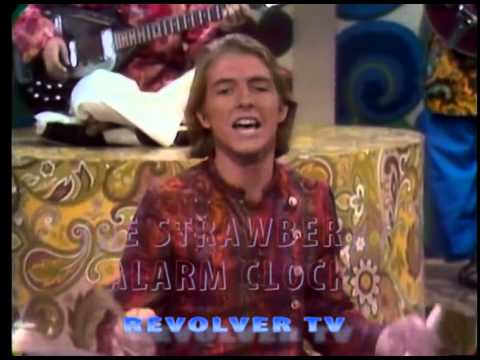

→ More from the 1960s File
View all 1960s hits →




Keep digging