The 1960s File Feature
Johnny Angel
Johnny Angel: Shelley Fabares and the Sound of Teen-Pop at Its Commercial Peak "Johnny Angel" reached number one on the Billboard Hot 100 in the spring of 19…
01 The Story
Johnny Angel: Shelley Fabares and the Sound of Teen-Pop at Its Commercial Peak
"Johnny Angel" reached number one on the Billboard Hot 100 in the spring of 1962, making it one of the defining teen-pop hits of the period between the first wave of rock and roll and the arrival of the Beatles in America. Shelley Fabares, who recorded the song on Colpix Records, was primarily known at the time as an actress, having established herself through her role in the television series "The Donna Reed Show," and her transition to recording artist was one of a number of such crossovers in the early 1960s, when the teen idol phenomenon encompassed both musicians and actors who appealed to the same demographic. The song's success transformed what might have been a minor celebrity sideline into a genuine chart achievement.
The recording was produced in the style that dominated teen-pop in the early 1960s, a sound characterized by lush orchestral arrangements, prominent vocal performance, and lyrical content that addressed the concerns and fantasies of a teenage female audience with a directness that had relatively few precedents in mainstream pop. The arrangement features a sweeping string section and a production approach that frames Fabares's voice as the center of a carefully constructed emotional world, creating the kind of intimate connection with the listener that was essential to the success of this genre. The production values reflect the professionalism of the Colpix label's approach to teen-oriented recordings, which aimed for a polished sound that could compete with the major labels' output in the same market.
The chart trajectory of "Johnny Angel" was swift and decisive. The single entered the Hot 100 and climbed rapidly to the top position, reflecting the depth and enthusiasm of the teen audience that had adopted Fabares as one of their own through her television work. The crossover from acting to recording was not universally successful for celebrities of the period, but Fabares had the vocal ability and the existing fan relationship to make it work in her case. The number-one position was achieved in a chart environment that included competition from a wide range of pop artists, and the fact that "Johnny Angel" reached the summit indicates the genuine commercial power of the recording.
The song was written with the specific emotional concerns of teenage girls in mind, addressing the experience of infatuation, idealization, and the complex emotional territory of a crush that has not yet been reciprocated or even fully acknowledged. This subject matter was central to a significant strand of early-1960s teen pop, and "Johnny Angel" treated it with a combination of musical sophistication and lyrical directness that distinguished it from more generic treatments of similar themes. The recording arrived at a moment when the teen pop market was one of the most commercially significant segments of the American music industry, and its success reflected both the appeal of the specific recording and the vitality of the genre it inhabited.
Shelley Fabares's background as a television performer gave her a level of public recognition that many recording artists had to build over years of work before achieving, and this existing audience relationship was clearly a commercial advantage. But the sustained success of "Johnny Angel," which has remained one of the most recognizable recordings of its era, suggests that the track had qualities beyond its creator's celebrity that sustained it beyond the immediate moment of release. The melody is memorable and the production is genuinely accomplished, and those qualities have kept the recording in circulation long after the specific social context of its creation has faded.
The Colpix Records label was the recording arm of Columbia Pictures, the film and television production company, and its roster naturally tended toward artists who had existing connections to the entertainment industry. Fabares was a natural fit for the label given her television career, and "Johnny Angel" was a natural fit for the teen pop market that Colpix was targeting. The business logic of the crossover was clear, but the recording transcended its origins in record-company strategy to achieve genuine pop success on its own terms.
The cultural context of "Johnny Angel" is inseparable from the specific moment in American popular culture that it inhabited. The early 1960s were the period immediately before the British Invasion transformed the commercial and artistic landscape of American pop, and the teen pop genre that produced "Johnny Angel" would be significantly disrupted by the arrival of the Beatles and their contemporaries in 1964. In retrospect, recordings like "Johnny Angel" can be seen as the culmination of a specific cultural phase, one that had developed a sophisticated commercial formula for addressing the emotional world of American teenagers that would subsequently be challenged and partially displaced by a different set of musical and cultural values.
The recording's afterlife in American popular culture has been considerable. "Johnny Angel" has appeared in numerous films, television programs, and other contexts that use early-1960s pop music to evoke a specific cultural moment, and it has become one of the more recognizable signifiers of that era. Fabares continued her career primarily as an actress following the initial success of her recording work, but "Johnny Angel" has ensured that her name remains associated with one of the genuine pop hits of the early rock era.
02 Song Meaning
Idealized Love and the Inner World of the Teenage Fan: Reading "Johnny Angel"
"Johnny Angel" belongs to a tradition of early-1960s teen pop that took seriously the emotional experience of its primary audience, predominantly teenage girls, and treated the inner life of romantic longing and idealization as worthy of careful musical attention. The song describes an experience that is fundamentally about the gap between the internal emotional reality of the narrator and the external social situation she inhabits, a gap in which the object of her affection is unaware of the depth of feeling directed toward him. This situation is treated not with condescension or humor but with a genuine empathy for the intensity of the emotional experience being described.
The thematic content centers on idealization, the process by which a romantic object is elevated in the imagination of the one who desires him to a status that transcends his ordinary human dimensions. The "angel" of the title is explicitly a figure of projection and fantasy, an image constructed by the narrator's imagination rather than a direct description of a real person's qualities. This honest acknowledgment of the imaginative dimension of romantic infatuation is more sophisticated than the apparent simplicity of the song might suggest, recognizing that the feelings being described are as much about the narrator's inner world as they are about the real qualities of the person she admires.
The emotional register of Shelley Fabares's performance is one of suspended longing, a state in which desire is fully present but its resolution remains uncertain and perhaps permanently deferred. This emotional state, sometimes described as bittersweet, has a particular resonance for the teenage experience of romantic feeling, in which the intensity of emotion often far exceeds the social or situational ability to act on it. The song validates this experience by taking it seriously, treating the longing itself as a meaningful and even pleasurable state rather than merely a deficit of action.
The song's treatment of the male object of the narrator's affection is careful to maintain his status as an idealized figure rather than a fully realized character. He exists in the song primarily as an occasion for the narrator's emotional experience rather than as a presence with his own interiority, and this structural feature reflects an honest recognition of how infatuation actually works: the beloved functions less as a known person than as a surface on which the lover projects her own desires and fantasies. The song does not critique this process but rather describes it with affection, treating it as one of the genuine pleasures of adolescent emotional life.
For understanding the early-1960s teen pop genre more broadly, "Johnny Angel" is a valuable document. The genre has sometimes been dismissed as musically and thematically trivial, but recordings like this one demonstrate that its best examples engaged with the emotional experience of their audience with real craft and genuine insight. The combination of a memorable melody, sophisticated production, and lyrical content that spoke directly to the inner life of teenage girls created a cultural product that was both commercially successful and emotionally resonant.
The song's continued presence in the cultural landscape, its regular appearance in nostalgic contexts and its enduring recognition value, reflects the depth of the emotional connection it established with its original audience. Recordings that capture a genuine emotional truth tend to retain their power across changing cultural contexts, and "Johnny Angel" has demonstrated that durability in the decades since its release. The experience of idealized longing that it describes is not historically specific to the early 1960s but is a dimension of human emotional life that transcends its original cultural context, which accounts in part for why the recording continues to find new listeners who recognize in it something true about their own experience of desire and imagination.
→ More from Shelley Fabares
View all Shelley Fabares hits →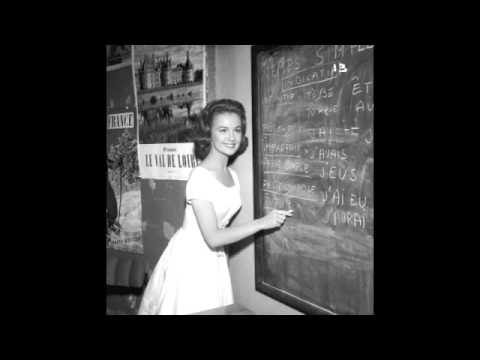

→ More from the 1960s File
View all 1960s hits →




Keep digging