The 1960s File Feature
Knight In Rusty Armour
The Story Behind "Knight In Rusty Armour" by Peter And Gordon A British Invasion Duo Chasing a Late Peak By the close of 1966, Peter And Gordon had already s…
01 The Story
The Story Behind "Knight In Rusty Armour" by Peter And Gordon
A British Invasion Duo Chasing a Late Peak
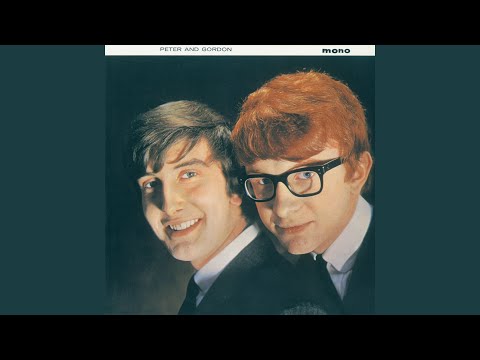
By the close of 1966, Peter And Gordon had already spent several years riding the wave of the British Invasion, scoring their first major transatlantic hit with "A World Without Love" back in 1964 and following it with a steady string of singles built on tight harmonies and gentle, melodic songcraft. As 1966 turned into 1967, the duo, made up of Peter Asher and Gordon Waller, were searching for a way to extend their commercial relevance in an American market that had grown considerably more competitive since their breakthrough. "Knight In Rusty Armour" arrived at exactly that moment, offering a fresh single capable of reminding radio programmers why the pair had connected so strongly in the first place.
A Playful Twist on Romantic Imagery
The song's title leaned into a whimsical, self-deprecating conceit, imagining the narrator as an imperfect, weathered hero rather than the flawless suitor found in more conventional love songs. That kind of wry, slightly theatrical framing fit comfortably within the broader pop landscape of the mid-1960s, when songwriters increasingly experimented with clever conceits and playful character sketches rather than strictly earnest declarations. For Peter And Gordon, whose earlier hits had traded heavily on melodic sincerity, the song offered a chance to inject a bit of self-aware humor into their catalog.
A Strong, Sustained Climb
The single entered the Billboard Hot 100 on December 24, 1966, debuting at number 86. What followed was a swift and consistent rise, with the song climbing to 71, then 41, then 31, then 20 across its first five weeks alone. That kind of rapid week-over-week movement signaled real momentum building behind the record, and the song ultimately reached its peak of number 15 during the chart week of January 28, 1967. Across its full run, the single spent a healthy nine weeks on the chart, confirming that the duo could still deliver a genuine hit even several years removed from their initial breakthrough.
Proof of Staying Power in a Shifting Landscape
By early 1967, the British Invasion's first wave of excitement had begun to cool somewhat, with American radio increasingly turning its attention toward psychedelic rock, soul, and homegrown pop acts. For Peter And Gordon to land a top-fifteen hit during this transitional period spoke to the durability of their vocal chemistry and their knack for finding material that still resonated with listeners. "Knight In Rusty Armour" proved they had not simply been a product of the initial Beatles-driven excitement but had built a genuine, lasting audience of their own.
A Reflection of Changing Pop Sensibilities
The song's cheeky, image-driven lyric also hinted at where pop songwriting was heading more broadly, as artists across genres began embracing more playful, character-driven storytelling rather than straightforward romantic declarations. Peter And Gordon's willingness to lean into that shift, even while retaining their signature vocal blend, showed a duo attentive to where audience tastes were moving rather than simply repeating past successes. That adaptability helped extend their commercial relevance a little further into a rapidly changing decade.
A Late Highlight in an Underrated Catalog
Radio programmers of the period often relied on exactly this kind of dependable, familiar act to fill playlists between newer, less proven acts, and Peter And Gordon's professionalism made them an easy, low-risk addition to any station's rotation.
Today, "Knight In Rusty Armour" stands as one of the more interesting entries in the Peter And Gordon catalog, a song that captured the duo experimenting with a more whimsical, image-conscious approach even as their commercial window was beginning to narrow. Its top-fifteen peak and nine-week chart run remain a testament to just how much goodwill the pair had built with American audiences. Give it a spin and you can hear two skilled harmonists finding one more genuine hit before the British Invasion's first wave fully receded.
"Knight In Rusty Armour" — Peter And Gordon's singular moment on the 1960s charts.
02 Song Meaning
The Meaning Behind "Knight In Rusty Armour" by Peter And Gordon
A Self-Aware Twist on the Romantic Hero
The central image of the song, a knight whose armor has grown rusty rather than gleaming, immediately signals a departure from the idealized romantic hero found in countless other love songs of the era. Instead of presenting the narrator as flawless or triumphant, Peter And Gordon lean into imperfection, suggesting a suitor who is imperfect, a little worn down, but sincere in his devotion nonetheless. That kind of humble self-portrait gave the song an approachable, human quality distinct from more grandiose romantic ballads of the period.
Humor as an Emotional Entry Point
That combination of comedy and sincerity was a difficult balance for songwriters to strike, since leaning too far into either direction risked undercutting the song's emotional core or making it feel like nothing more than a novelty number. The song's writers managed that balance skillfully, ensuring the joke never overwhelmed the genuine sentiment underneath it.
By framing romantic pursuit through a playful, slightly comic lens, the song allows listeners to engage with its central sentiment without the weight of overly serious declarations. That lightness does not undercut the genuine emotion at the song's core; instead, it makes the narrator's devotion feel more relatable, the confession of someone who knows he is not perfect but is showing up anyway. This kind of gentle self-deprecation was an effective songwriting tool, disarming the listener before delivering its more sincere emotional payload.
The Duo's Vocal Chemistry Reinforcing the Story
Much of the song's charm comes through in the interplay between Peter Asher's and Gordon Waller's voices, a blend that had already proven capable of carrying both earnest ballads and lighter, more playful material. Their harmonies here bring warmth to what could otherwise read as a purely comic conceit, ensuring that the knight imagery serves the song's emotional core rather than distracting from it. That balance between humor and sincerity was a hallmark of the duo's best work throughout their career together.
A Reflection of Mid-1960s Songwriting Trends
Other acts of the period experimented with similarly playful conceits, but few paired that inventiveness with vocal harmonies as polished and warm as those found here. That combination of clever lyrical concept and accomplished musicianship helped the song stand out from other novelty-adjacent singles competing for the same airplay.
The song's imaginative, character-driven approach mirrored a broader trend in mid-1960s pop songwriting, as artists moved away from straightforward romantic declarations toward more inventive, narrative-driven material. Rather than simply telling the listener that the narrator loved someone, the song builds an entire small story around that devotion, giving the sentiment a memorable visual anchor that helped it stand out on crowded radio playlists.
Devotion Without Pretense
That message carried particular weight in an era when pop love songs often leaned toward exaggerated declarations of perfect devotion. By contrast, this song's willingness to admit imperfection made its expression of loyalty feel more grounded and believable, a quality that likely deepened its connection with listeners navigating their own imperfect relationships.
Beneath its playful imagery, the song ultimately communicates a fairly universal romantic idea: that genuine devotion does not require perfection, only persistence and sincerity. The knight may be rusty and worn, but he remains committed to his cause, a metaphor that likely resonated with listeners who understood love as something built through effort and loyalty rather than flawless presentation.
A Charming, Enduring Conceit
Listeners returning to the song today can still appreciate how cleverly it balances humor and heart, a combination that keeps it from feeling dated even as musical fashions have shifted dramatically in the decades since. Few contemporaries managed to make self-deprecation sound quite so endearing.
Even decades later, the song's central image remains an inventive and memorable way of expressing romantic commitment, distinguishing it from more generic love songs of its era. That inventiveness, paired with the duo's warm vocal blend, is exactly what gives "Knight In Rusty Armour" its lasting, good-humored charm.
→ More from Peter And Gordon
View all Peter And Gordon hits →


→ More from the 1960s File
View all 1960s hits →




Keep digging