The 1960s File Feature
Who Can I Count On
The Story Behind Patsy Cline's Who Can I Count On By the fall of 1961, the voice that would go on to define the Nashville Sound for generations was still, im…
01 The Story
The Story Behind Patsy Cline's "Who Can I Count On"
By the fall of 1961, the voice that would go on to define the Nashville Sound for generations was still, improbably, fighting for chart traction, working through a catalog of singles that ranged from the transcendent to the merely serviceable while her legend was still being written in real time, one Decca session at a time.
A Star Between Peaks
Patsy Cline had already scored major crossover hits with I Fall to Pieces and was on the verge of recording Crazy, the Willie Nelson-penned ballad that would become her signature song. Who Can I Count On arrived in this transitional stretch of her career, a period when not every single that Decca Records released found the same commercial footing as her biggest hits, even as her artistic stature within Nashville continued to grow steadily among her peers, producers, and fellow performers. She was, by this point, widely respected within the industry even when individual singles underperformed, a reputation built as much on live performances and radio personality appearances as on chart position, and on the strength of a voice that peers already recognized as exceptional.
The Nashville Sound in Miniature
Recorded under the guidance of producer Owen Bradley, the architect of the smooth, string-laced Nashville Sound that pulled country music toward pop crossover audiences, the track carries the same lush, orchestrated backing and restrained vocal phrasing that defined Cline's most celebrated recordings. Even in a lesser-remembered single, her voice, capable of both aching vulnerability and controlled power, remains the clear focus of the arrangement, with the strings and backing vocals kept carefully in support rather than competition, exactly the balance Bradley favored across his Decca sessions with Cline and other artists on the label's country roster.
A Single Week on the Chart
The song's run on the Billboard Hot 100 was brief: it debuted, and simultaneously reached its only chart position, at number 99 on October 23, 1961, spending just one week on the chart before disappearing from the listings entirely. That brief appearance places it among the more obscure entries in Cline's catalog, overshadowed almost immediately by the run of career-defining hits that followed close behind it in the months ahead, as her creative partnership with Bradley continued to deepen and mature.
A Footnote Before the Legend Solidified
Viewed in isolation, Who Can I Count On is a minor chart statistic. Viewed within the arc of Cline's career, it is a snapshot of an artist still working, single by single, toward the string of recordings that would make her one of the most influential vocalists in American music history before her death in a 1963 plane crash near Camden, Tennessee. Listen to it as a glimpse of a legend still being assembled, one Nashville session at a time, years before her catalog became essential listening for the generations of singers who followed her example.
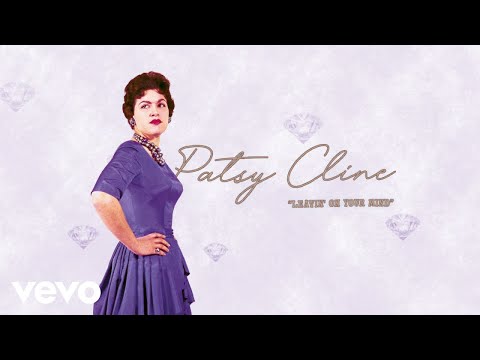
"Who Can I Count On" — Patsy Cline's singular moment on the 1960s charts.
02 Song Meaning
The Meaning Behind Patsy Cline's "Who Can I Count On"
"Who Can I Count On" is built around a question that sits at the center of classic country songwriting: when romantic certainty collapses, who remains trustworthy. The song frames that search for reliability as both a romantic and an emotional survival question, one asked with genuine uncertainty rather than rhetorical flourish.
The Search for Steadiness
The narrator's central concern is not simply lost love but lost stability, the sense that the people or promises she once relied on have proven unreliable. That framing, treating heartbreak as a crisis of trust rather than only sadness, was a hallmark of the Nashville Sound era's lyrical approach, where vulnerability was expressed through plain, direct questions rather than elaborate metaphor or ornamentation, trusting the melody to carry what the words left unsaid.
Cline's Vocal Restraint
Rather than deliver the lyric with overt anguish, Patsy Cline's phrasing carries a controlled, dignified sadness, consistent with the emotional register that made her recordings so influential on generations of singers who followed. That restraint gives the questioning at the heart of the song more weight: this is composure fraying quietly rather than collapsing outright in front of the listener, a distinction that separated her from more theatrical vocalists of the era.
A Genre Built on Emotional Honesty
Early-1960s country music, shaped heavily by producer Owen Bradley's Nashville Sound and Cline's recordings especially, helped establish a template in which heartbreak could be discussed with unusual directness, a plain-spoken honesty that would go on to influence decades of country songwriting after her death, from the confessional ballads of the 1970s onward.
A Small Piece of a Larger Emotional Catalog
While it never reached the audience of her signature recordings, peaking at just number 99 on the Hot 100, the song's core question, who remains dependable when everything else falls away, resonates as part of Cline's broader body of work exploring loneliness and resilience. It rewards listeners willing to hear it as one voice within a much larger, richly emotional catalog that continues to shape how country singers approach heartbreak today.
→ More from Patsy Cline
View all Patsy Cline hits →



→ More from the 1960s File
View all 1960s hits →




Keep digging