The 1960s File Feature
Chewy Chewy
Chewy Chewy: Ohio Express and the Art of Bubblegum Pop in 1968 Few subgenres in the history of popular music have been as deliberately engineered, as commerc…
01 The Story
Chewy Chewy: Ohio Express and the Art of Bubblegum Pop in 1968
Few subgenres in the history of popular music have been as deliberately engineered, as commercially successful, and as subsequently dismissed as bubblegum pop. The phenomenon reached its commercial apex in the late 1960s, a period when a small group of producers and songwriters in New York developed a formula for creating radio-friendly hits aimed at the youngest segment of the pop-buying public, and when the charts regularly featured recordings of remarkable sonic confection and lyrical simplicity. Ohio Express was among the most successful vehicles for this sound, and "Chewy Chewy" was among their most effective deliveries of it.
Released in 1968 on Buddah Records, "Chewy Chewy" was the work of the production and songwriting team led by Jerry Kasenetz and Jeff Katz, the architects of what became known as the bubblegum sound. Kasenetz-Katz, working through their Super K Productions company, had identified an underserved market in younger pop consumers and developed a sonic approach designed to reach them with maximum efficiency. Their formula emphasized simple, catchy melodies, repetitive and easily remembered lyrics, and bright, energetic production values that communicated pleasure and excitement with an almost aggressive directness.
Ohio Express was in many respects a studio creation more than a conventional band, with the Kasenetz-Katz production team playing a dominant role in the sound and often in the recording itself, with different session musicians contributing depending on the project's requirements. The group's public face, however, provided a consistent identity for promotional purposes, and the recordings appeared under the Ohio Express name on a series of singles and albums throughout 1968 and 1969. "Chewy Chewy" reached the top 15 on the Billboard Hot 100, a chart performance that reflected the formula's effectiveness with its target demographic and the power of Buddah Records' promotional capabilities.
Buddah Records was itself a product of the bubblegum era, founded in 1967 and quickly establishing itself as the primary commercial home for the sound. The label's roster during its peak years read as a catalog of bubblegum classics, with Ohio Express alongside other acts that collectively dominated a significant portion of the pop chart. The label's ability to generate chart action with remarkable consistency testified to the precision of the Kasenetz-Katz formula and the genuinely effective way in which that formula connected with its intended audience.
The year 1968 was, of course, one of the most turbulent and culturally complex in American history, and the bubblegum phenomenon existed in striking contrast to the political and social upheavals that dominated news coverage and influenced the more "serious" corners of popular music. While rock music was wrestling with psychedelia, political engagement, and artistic ambition in the wake of the Summer of Love, Kasenetz-Katz and their label were producing recordings of cheerful, unambiguous pop pleasure. This contrast was not accidental: bubblegum was, among other things, a commercial response to the perceived inaccessibility of increasingly sophisticated rock music, offering an alternative that required nothing of its listeners except the capacity for enjoyment.
The production approach on "Chewy Chewy" was efficient and polished. The recording featured the bright, slightly compressed sound that became a signature of Buddah's output, with prominent melodic hooks delivered by a vocal performance of deliberately unaffected enthusiasm. The arrangement emphasized the song's repetitive elements, understanding that the pleasure of bubblegum pop lay precisely in the satisfaction of having one's melodic expectations fulfilled rather than subverted. The production succeeded completely on its own terms, delivering a listening experience that was impossible to mistake for anything other than what it was.
Critics at the time were generally dismissive of bubblegum pop, viewing it as a commercial calculation that debased the artistic possibilities that rock music was simultaneously exploring. This critical contempt was in some ways a misreading of the bubblegum phenomenon, which was not attempting to participate in the same artistic conversation as progressive rock or singer-songwriters but rather serving a different audience with different needs. The children and younger teenagers who made "Chewy Chewy" a hit were not seeking the emotional or intellectual complexity that critics valued; they were seeking exactly what the song provided, and the song provided it with considerable skill.
The legacy of Ohio Express and the Kasenetz-Katz sound has undergone a gradual critical reassessment over the decades since the bubblegum era. Scholars and critics have come to recognize the genuine craft involved in creating music of this type, acknowledging that the apparent simplicity of the bubblegum formula concealed real skill in melodic construction and production. "Chewy Chewy" is now understood as a exemplary document of its moment, capturing the particular pleasure of a sound that was engineered for maximum accessibility and delivering on that promise with expert efficiency.
02 Song Meaning
Pure Pop Pleasure: Understanding the Appeal of "Chewy Chewy"
The bubblegum pop genre presents an interesting challenge for analytical interpretation, because its most important qualities are precisely those that resist the kind of deep reading that popular music criticism typically prizes. "Chewy Chewy" does not invite allegorical interpretation, does not hide complex emotional content beneath a simple surface, and does not position itself in relation to any larger cultural or artistic discourse. It is, instead, a highly competent and fully achieved example of a genre whose entire purpose is the delivery of uncomplicated musical pleasure, and understanding it requires accepting that uncomplicated pleasure is a legitimate artistic aim.
The use of food imagery in the song's title and central conceit is characteristic of bubblegum pop's general tendency to draw on the vocabulary of childhood pleasure. Sweets, candy, and similar objects recur throughout the genre as figures for the kind of simple, immediate gratification that the music itself was designed to provide. The word "chewy" suggests texture and engagement, something that requires sustained attention and returns pleasure over time rather than dissolving instantly. This is a small but apt metaphor for what the best bubblegum pop does: it stays with the listener, the melodic hook returning unbidden hours after the initial listening experience.
The repetitive structure of songs like "Chewy Chewy" was not an artistic failure but a deliberate construction. The Kasenetz-Katz songwriting approach understood that repetition is one of popular music's most powerful tools, exploiting the way that repeated melodic and rhythmic patterns create a particular kind of pleasure through the satisfaction of fulfilled expectations. Where more artistically ambitious music of the same era sought to surprise and challenge listeners, bubblegum pop sought to delight and comfort them, and the repetitive structure was central to achieving that aim.
For the children and young teenagers who were Ohio Express's primary audience in 1968, "Chewy Chewy" offered something genuinely valuable: a musical experience that was entirely their own, not shared with older siblings or parents, not connected to the political anxieties or artistic seriousness that characterized so much of the surrounding cultural landscape. The song created a space of pure pop enjoyment from which the complications of the adult world were excluded, and this exclusion was itself a meaningful gesture. In a year marked by assassinations, riots, and a divisive presidential election, music of uncomplicated pleasure served a genuine social function.
The Ohio Express recordings from 1968 have been recognized retrospectively as exemplary products of a deliberately engineered commercial genre, and "Chewy Chewy" in particular stands as one of the more successful realizations of the bubblegum formula. Its chart success was a direct reflection of its effectiveness at achieving its specific aims, and those aims, while modest by some standards, required genuine skill and creative intelligence to achieve. The song occupies a secure and honorable place in the history of American commercial pop music, representing a moment when a small group of savvy producers and songwriters understood exactly what a particular audience wanted and delivered it with exceptional efficiency and craft.
→ More from Ohio Express
View all Ohio Express hits →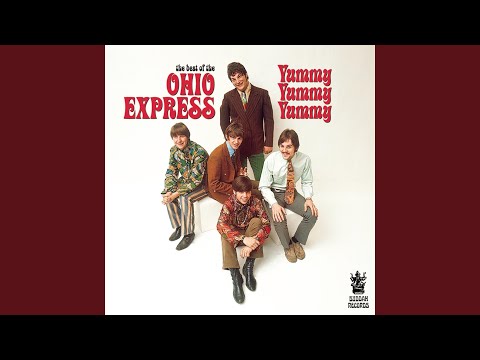
→ More from the 1960s File
View all 1960s hits →




Keep digging