The 1960s File Feature
Sugar Town
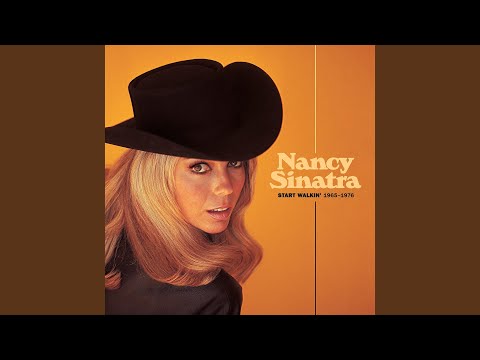
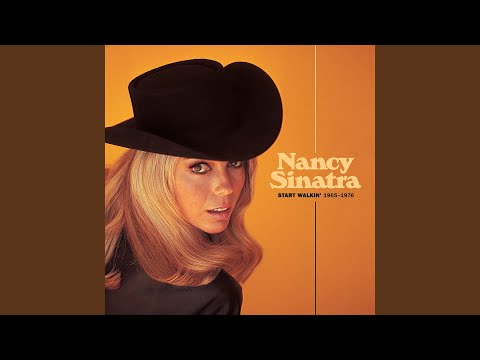
The Story Behind Sugar Town by Nancy Sinatra By late 1966, Nancy Sinatra had already proven she could turn a swaggering, defiant single into a cultural pheno…
01 The Story
The Story Behind "Sugar Town" by Nancy Sinatra
By late 1966, Nancy Sinatra had already proven she could turn a swaggering, defiant single into a cultural phenomenon. What she had not yet proven was that she could follow it with something gentler, sweeter, and just as commercially potent. "Sugar Town" answered that question emphatically, arriving as the natural next chapter in one of the most surprising reinventions in mid-1960s pop.
From Daughter of Fame to Star in Her Own Right
Sinatra spent the early 1960s recording without much commercial traction, a struggle made more conspicuous by her famous last name. That changed dramatically in early 1966 with "These Boots Are Made for Walkin'," a number one hit that transformed her overnight from a novelty act into a genuine pop force with her own distinct persona: cool, a little dangerous, unmistakably of the moment. "Sugar Town" arrived later that same year, proof that the transformation was not a one-off fluke but the beginning of a sustained run.
The Lee Hazlewood Partnership
Central to Sinatra's reinvention was her collaboration with Lee Hazlewood, the producer, songwriter, and occasional duet partner whose distinctive blend of country twang, orchestral pop sweep, and slightly surreal lyricism gave her records a personality no other female pop vocalist of the era quite matched. Hazlewood wrote and produced "Sugar Town", layering warm, chiming instrumentation around Sinatra's breezy, conversational vocal delivery. The arrangement leans into a bright, almost psychedelic-adjacent pop sound, filled with production flourishes that hinted at the more experimental turns pop music would take over the following two years.
A Meteoric Climb up the Hot 100
"Sugar Town" debuted on the Billboard Hot 100 on November 19, 1966, at number 83, and climbed with real velocity over the following weeks, eventually reaching its peak of number 5 during the week of December 31, 1966. The song spent thirteen weeks on the chart altogether, a genuinely strong showing that confirmed Sinatra's commercial staying power well beyond her breakthrough hit earlier that year. Climbing from the 80s into the top five within roughly six weeks reflects the kind of broad-based radio and retail embrace that separates a fluke hit from a bona fide star's catalog.
A Second Hit That Proved the First Was No Accident
The commercial and critical significance of following a signature hit with an equally successful, stylistically distinct single cannot be overstated in the context of mid-1960s pop, an era that chewed through one-hit acts constantly. Where "These Boots Are Made for Walkin'" announced Sinatra's arrival with attitude and defiance, "Sugar Town" demonstrated range, proving she and Hazlewood could shift tone entirely and still land in the upper reaches of the charts. That versatility helped cement the Sinatra-Hazlewood partnership as one of the more creatively fruitful pairings of the decade.
A Bright Spot in a Landmark Year
1966 stands as a genuinely pivotal year across popular music, with rock, soul, and pop all pushing into new sonic territory simultaneously. Within that crowded, fast-moving landscape, Sinatra carved out a lane entirely her own: glamorous but playful, orchestral but never stuffy, radio-friendly but with just enough idiosyncrasy to feel distinct from her more conventional pop peers. "Sugar Town" remains one of the clearest distillations of that identity, a song that still sounds instantly recognizable decades later.
A Duo Whose Influence Rippled Outward
The Sinatra-Hazlewood creative partnership did not end with this single; it would go on to produce further hits and one of the more celebrated duet albums of the era in the years that followed. But "Sugar Town" holds a special place within that partnership's broader arc, the song that proved their chemistry extended comfortably beyond the swaggering persona of her breakthrough hit into something warmer, stranger, and every bit as commercially effective. Radio programmers embraced it immediately, a sign that listeners wanted more of exactly this specific, slightly askew brand of orchestral pop.
Press play and let its sunny, slightly askew charm pull you straight back to the final weeks of 1966.
"Sugar Town" — Nancy Sinatra's singular moment on the 1960s charts.
02 Song Meaning
The Meaning Behind "Sugar Town"
"Sugar Town" presents itself as a breezy escape, a place named directly in its title where worries dissolve and pleasure takes over, though Lee Hazlewood's lyric leaves the exact nature of that escape deliberately hazy. That ambiguity is central to the song's lasting appeal and its slightly mischievous reputation among longtime listeners.
An Escape That Refuses to Explain Itself
Rather than mapping out a literal location, the song offers a mood: a sense of drifting somewhere pleasant and slightly unreal, governed by its own rules and untouched by the outside world's demands. That vagueness invites multiple readings, from innocent daydreaming to something more knowingly adult, and Hazlewood, a writer fond of layered, sly wordplay, seems to have built the ambiguity in on purpose rather than by accident.
Sunshine Pop With an Undercurrent
Musically, the song's bright, chiming arrangement reinforces its surface-level cheerfulness, part of the broader sunshine pop aesthetic gaining momentum across mid-1960s American radio. Yet beneath that gloss sits a quieter tension, the sense of a narrator who might be describing genuine contentment or might be describing something closer to willful denial, choosing to see only the sweetness and tune out anything harder to face.
Nancy Sinatra's Evolving Persona
Placed against Sinatra's image at the time, freshly established as a bold, independent voice through "These Boots Are Made for Walkin'," "Sugar Town" reads as a deliberate tonal pivot: playful rather than confrontational, dreamy rather than defiant. That range mattered enormously for an artist working to establish herself as more than a novelty, showing that her appeal extended well beyond a single mood or a single vocal stance.
A Song That Rewards a Second Listen
Part of what has kept "Sugar Town" in circulation for so many decades is exactly that layered quality, a song simple enough for casual radio listening yet strange enough, in its details and its refusal to fully explain itself, to reward closer attention. Listeners in 1966 could take it at face value as innocent pop escapism, while others picked up on its subtler, more knowing undercurrent, a duality that gave the record unusual staying power.
An Ambiguity That Aged Into Legend
Over the decades, speculation about what exactly the title refers to has only added to the song's mystique, with listeners and critics alike offering competing theories without ever settling on a single definitive reading. That interpretive openness, rather than diminishing the song, has helped keep it alive in reissues, film placements, and ongoing critical rediscovery well beyond its original chart run.
Why It Still Resonates
Listeners responded to the song's combination of instant melodic pleasure and just enough mystery to keep it interesting past a first spin. Its steady climb to number 5 on the Hot 100 reflects how thoroughly that combination connected with a broad, genre-crossing audience at a moment when American pop radio was hungry for exactly this blend of sweetness and subtle strangeness.
→ More from Nancy Sinatra
View all Nancy Sinatra hits →


→ More from the 1960s File
View all 1960s hits →




Keep digging