The 1960s File Feature
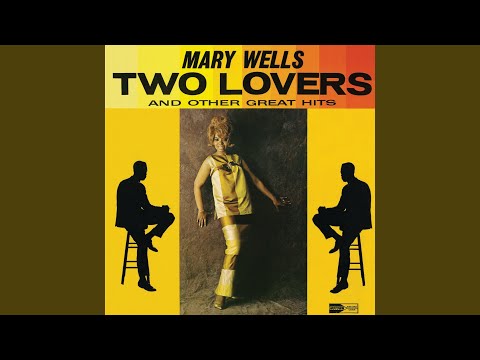
Two Lovers
The Story Behind Two Lovers by Mary Wells Picture Detroit in the closing weeks of 1962, the snow gathering on the windows of a modest brick building on West …
01 The Story
The Story Behind "Two Lovers" by Mary Wells
Picture Detroit in the closing weeks of 1962, the snow gathering on the windows of a modest brick building on West Grand Boulevard that the world would soon learn to call Hitsville U.S.A. Inside, a young woman with a voice like warm honey was helping write the grammar of a sound that would conquer the decade. Mary Wells was barely out of her teens, and she had already become the closest thing Motown had to a reigning queen. When the company needed a record to carry its banner into the new year, it turned to her.
The Reigning Queen of a Young Label
By the time this single arrived, Wells was no newcomer. She had walked into Motown as a teenager hoping to sell a song to Jackie Wilson and walked out as a recording artist herself, and within a couple of years she had become the label's first genuine star. The partnership that defined her run was with Smokey Robinson, who wrote and produced the song, shaping melodies around the particular grain of her voice. Theirs was one of the great early Motown collaborations, a writer who understood that a great pop record could carry a sly idea inside a sweet tune. Wells trusted him, and the records they made together sound like two people finishing each other's sentences.
A Clever Twist Wrapped in Sweetness
The genius of the record lies in its sleight of hand. For most of its running time it plays like a confession of guilt, a woman seemingly torn between two men and bracing for judgment. The arrangement is gentle, almost lullaby-soft, with that early-sixties Motown lilt that made heartbreak feel danceable. Only as the song unfolds does the true picture emerge, and the listener realizes the lyric has been playing a quiet trick the whole time. It is the kind of writing that rewards a second listen, the sort of craft Smokey Robinson brought to so much of the label's early catalog.
Climbing the Hot 100
The record entered the Billboard Hot 100 on December 1, 1962, at number 64, and it climbed steadily through the holidays. It cracked the top forty within weeks, kept rising through Christmas, and reached its summit in the new year. The single peaked at number 7 on January 19, 1963, and spent a healthy 13 weeks on the chart, a strong showing that confirmed Wells as one of the most reliable hitmakers in American pop. On the R&B side her dominance was even more pronounced, the kind of crossover reach that Motown was engineering with increasing precision.
The Sound of Hitsville in Bloom
To understand the record you have to understand the building that made it. In the early 1960s, Motown was perfecting an assembly line of joy, a small army of writers, producers, and house musicians turning out hits with factory efficiency and handmade soul. The rhythm section that anchored these sessions gave the label its instantly recognizable bounce, that tambourine-bright, foot-tapping pulse that seemed to make even sad songs feel like an invitation to dance. Wells sang at the center of that machine when it was still young and hungry, and you can hear the confidence of a company that had just figured out how to win. Every element serves the voice, from the gentle backing harmonies to the unhurried tempo, a balance that would become the Motown signature.
A Bridge to Bigger Things
Looked at across the arc of her career, this single sits at a fascinating hinge point. It proved that Wells and Robinson could deliver hit after hit, and it set the stage for the song that would soon make her a household name across the country and overseas. Within a couple of years her Motown chapter would close in dramatic fashion, and her departure from the label at the height of her fame became one of the era's great what-if stories. Still, the run of singles she cut during these years remains a cornerstone of the catalog, the foundation a billion-dollar sound was built upon. Listen now and you hear the blueprint of a style still being invented, sung by the woman who helped invent it. Press play and let that honeyed voice spring its gentle surprise on you all over again.
"Two Lovers" — Mary Wells's singular moment on the 1960s charts.
02 Song Meaning
The Meaning of "Two Lovers" by Mary Wells
On its surface this is a song about a woman caught between two men, and that surface is so convincing that generations of listeners have hummed along without noticing the trick tucked inside the lyric. The pleasure of the record comes from how it withholds its real subject, letting you assume the worst before quietly correcting you.
The Confession That Isn't
For most of the song the narrator seems to admit something close to betrayal. She describes loving one man who is sweet and good to her, and another who is cold and treats her badly, and she sounds genuinely torn between them. The framing invites judgment, and that tension is the engine of the whole performance. The lyric is built as a riddle, and the listener is meant to lean in, waiting to find out how this woman will resolve an impossible situation.
One Man, Two Faces
The resolution reframes everything. The two lovers turn out to be the same person, a single man whose moods swing between tenderness and cruelty. What looked like infidelity is revealed as a portrait of a volatile relationship, the everyday whiplash of loving someone who can be both gentle and harsh. The conceit transforms a tale of guilt into a study of devotion under strain, and it does so without a single wasted word.
Emotional Truth Under the Sweetness
That structure carries real emotional weight. Anyone who has loved a difficult person recognizes the experience of treating one partner as if they were two, learning to brace for the cold version and cherish the warm one. The song captures the exhausting arithmetic of an unpredictable love, dressed in a melody so pretty you almost miss the ache underneath.
A Mirror of Its Moment
The song also reflects the world it arrived in. Pop radio at the dawn of the 1960s was learning to take young women's emotional lives seriously, and Motown in particular built much of its early success on songs sung from a woman's point of view about the messiness of real relationships. This single fit that pattern perfectly, offering a portrait of love that was neither pure fantasy nor pure heartbreak but something more honest and lived-in. It treated its listener as capable of nuance, trusting that an audience could enjoy a pretty melody and a clever twist at the same time. That respect for the listener was part of what made the label's records connect across racial and generational lines.
Why It Still Lands
The record endures because the trick never gets old and the feeling never dates. In an era when much of pop romance was uncomplicated, this single smuggled genuine psychological complexity onto the radio. Mary Wells sells the whole sleight of hand with a voice that stays sweet even as the words turn knowing, and that contrast is exactly why the song still surprises new listeners today. Anyone who has loved a person of two minds will find their own experience reflected back in its gentle deception.
→ More from Mary Wells
View all Mary Wells hits →



→ More from the 1960s File
View all 1960s hits →




Keep digging