The 1960s File Feature
Pride And Joy
Pride And Joy: Marvin Gaye Steps into the LightA Young Man with Something to ProveIn the spring of 1963, Marvin Gaye was still defining himself. He had arriv…
01 The Story
Pride And Joy: Marvin Gaye Steps into the Light
A Young Man with Something to Prove
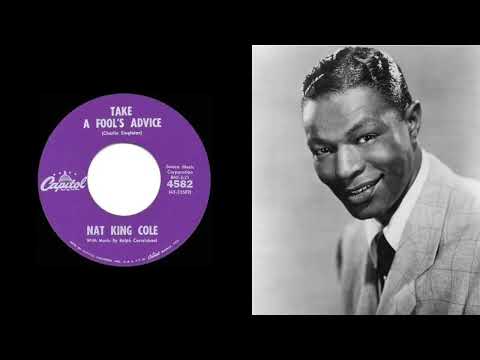
In the spring of 1963, Marvin Gaye was still defining himself. He had arrived at Motown with ambitions that extended well beyond pop stardom; he wanted to be a balladeer in the mold of Nat King Cole, a sophisticated entertainer who belonged in supper clubs as much as on teenage radio. Berry Gordy had other ideas. The young label chief saw in Gaye's voice something rawer and more urgent than the polished romanticism Gaye preferred, and he pushed him toward rhythm and blues with a directness that occasionally frustrated his artist. Pride and Joy was the compromise that worked.
The Sound of Early Motown R&B
The record had a rolling, Chicago-inflected blues feel beneath its Motown polish. The guitar work gave it a grittier texture than much of what the label was releasing at the time, while the rhythm section kept things tight enough to work on the pop charts. The arrangement was not overcomplicated; it gave Gaye room to move, and he took full advantage. His voice had a fluency and warmth that made the material feel lived-in without requiring any particular suffering. He sang about the joy of having someone who made him feel complete, and he sounded genuinely delighted by the fact.
Breaking Through on the Hot 100
The single entered the Hot 100 on May 18, 1963, at number 99, and climbed through the spring and into summer with steady momentum. It peaked at number 10 on July 20, 1963, spending 14 weeks on the chart in total. That performance marked Marvin Gaye's first top-ten pop hit, a milestone that validated both his talent and Gordy's commercial instincts. Reaching the top ten in a market as crowded as 1963 required more than good material; it required a performance and a sound that cut through, and Gaye delivered both.
Opening a Long Road
What makes the chart success of Pride and Joy significant in retrospect is how much it diverges from the work that made Gaye genuinely legendary. In 1963 he was a pop and R&B craftsman working within the Motown system, delivering what the label asked for and doing it brilliantly. The introspective, socially complex artistry that would define What's Going On and Let's Get It On was nearly a decade away. Pride and Joy is the sound of a great talent finding his footing, getting his commercial bearings, learning what his voice could do in service of a well-constructed song. There is nothing small about that.
A Moment Worth Revisiting
With 1.2 million YouTube views, the song has a quieter online presence than some of its contemporaries from that summer, but it rewards close listening for anyone interested in understanding Gaye's full arc. The ease and joy in the performance are undeniable; this is a singer who is happy, or at least singing happiness with total conviction, and that quality comes through in every bar. Before the complexity came the craft, and the craft was already exceptional.
It is also worth noting the particular texture of Motown's 1963 sound as it applies to this record. The rhythm section is propulsive without being frantic, the horns arrive in carefully placed bursts, and the overall production sits in that sweet spot between polish and grit that Gordy and his collaborators were still refining at the time. Gaye was not the only talent in the room; the musicians and engineers who shaped the Hitsville sound contributed a musicianship that elevated even straightforward material. Pride and Joy benefited from all of that, and the result is a record that sounds simultaneously of its time and perfectly preserved, a small monument to an early moment in a great career.
Queue it up and hear the beginning of one of American music's most remarkable careers.
“Pride And Joy” — Marvin Gaye’s singular moment on the 1960s charts.
02 Song Meaning
Pride And Joy: Celebrating What You Have
The Pleasure of Gratitude
In a pop landscape crowded with songs about longing, pursuit, and heartbreak, Pride and Joy offered something relatively rare: a song about loving someone you already have and feeling good about it. The narrator is not pining or chasing; he has arrived. The person in the song is a source of joy and pride, someone whose presence in his life feels like a gift he does not take for granted. That posture of active appreciation rather than passive longing gave the song a warmth and confidence that distinguished it from the more anguished end of early-1960s pop.
Masculinity and Tenderness
There was something quietly notable about a young Black male performer in 1963 singing, with complete conviction, about how much he cherishes someone and how that person makes him feel whole. The emotional vocabulary of the song is unguarded and tender. Gaye did not hedge or pose; he sang directly about affection and gratitude with a fluency that sounded entirely natural. Given the emotional constraints on public masculinity at the time, particularly for Black men in American popular culture, that openness carried a small but real charge.
R&B Roots, Pop Ambitions
The song sits at the intersection of two traditions: the Chicago blues and R&B styles that informed its rhythm and guitar texture, and the pop craftsmanship that Motown was refining into a commercial art form. The lyrics drew on the emotional directness of gospel and blues singing, the sense that feelings should be expressed rather than hinted at. But the polish of the arrangement and the smoothness of Gaye's delivery aimed the song squarely at the pop mainstream. That duality is one of the things that makes early Motown so interesting to listen to closely.
Love as Abundance, Not Scarcity
The emotional logic of Pride and Joy rests on the idea that love enriches rather than depletes. The narrator's feelings do not make him vulnerable or anxious; they make him feel larger, more capable, more fully himself. This is love conceived as resource rather than risk, and it gave the song an optimism that felt genuinely earned rather than forced. Young listeners in 1963 responded to that optimism because it offered a vision of romantic life that felt possible and desirable.
A Foundation for What Followed
Heard as part of Gaye's larger story, Pride and Joy is the sound of a performer discovering the direct line between his emotional intelligence and his vocal expression. The interpretive gifts he would later bring to far more complex material were already fully present here; the subject matter was simply more straightforward. That directness is its own kind of pleasure, and it serves as a reminder that a singer at ease with happiness can be just as revealing as one who maps his suffering. Gaye would prove himself capable of both, but the happy recording is worth taking seriously on its own terms rather than merely as prologue to the more celebrated work that followed.
→ More from the 1960s File
View all 1960s hits →



Keep digging