The 1960s File Feature
Baby Don't You Do It
Baby Don't You Do It by Marvin Gaye Step into the heart of the Motown machine in 1964, when the Detroit label was producing hit after hit and a young Marvin …
01 The Story
"Baby Don't You Do It" by Marvin Gaye
Step into the heart of the Motown machine in 1964, when the Detroit label was producing hit after hit and a young Marvin Gaye was establishing himself as one of its most charismatic stars. Before he became the visionary artist behind some of the most acclaimed albums in music history, Gaye was a dynamic singer of irresistible Motown singles, a performer with a voice that could move from smooth tenderness to raw urgency in an instant. "Baby Don't You Do It" captured him in that earlier, hit-making mode.
A Rising Motown Star
By 1964, Marvin Gaye had become a key figure in the Motown roster, scoring a series of hits that showcased his vocal range and magnetic presence. He was part of the remarkable creative ecosystem that made Motown a hit factory, working with the label's gifted songwriters and producers to craft singles built for both the radio and the dance floor. Gaye's blend of soulful feeling and pop accessibility made him a natural star, and he was steadily building the reputation that would later support his bold artistic ambitions.
A Driving Motown Single
"Baby Don't You Do It" was a propulsive, energetic track that put Gaye's urgent vocal front and center. Built on the kind of insistent rhythm and tight arrangement that defined the Motown sound, the song carried a sense of emotional desperation beneath its danceable groove. It was a plea set to a beat, a track that combined feeling and momentum in the way the best Motown records did. The song became a favorite that would later be covered by other notable artists, a testament to its strength as a composition.
A Respectable Chart Showing
On the Billboard Hot 100, "Baby Don't You Do It" performed solidly. It debuted at number 81 on September 19, 1964, then jumped sharply to number 52, then 42, then 32 over the following weeks. The song reached its peak of number 27 on November 7, 1964 and spent nine weeks on the chart. While it was not among Gaye's biggest pop crossovers, it was a strong showing that kept him firmly in the public eye and added another quality single to his growing catalog.
The Motown Machine at Work
The song offers a glimpse into the remarkable creative engine that was Motown in the mid-1960s. The label operated almost like a factory, with teams of songwriters, producers, and session musicians working in close coordination to produce hit after hit. The distinctive house sound, built on tight rhythms, sharp arrangements, and a polished production sheen, gave records like this one their instantly recognizable character. Gaye thrived within this system while bringing his own undeniable charisma to it, and "Baby Don't You Do It" bears all the hallmarks of that collaborative approach. It is a product of a particular method as much as a particular artist, the sound of a hit factory operating at peak efficiency.
A Building Block of a Legend
Marvin Gaye would go on to become one of the most revered artists in popular music, the creator of landmark works that redefined what soul music could achieve. "Baby Don't You Do It" belongs to the foundation he was laying in those earlier years, the hits that established him before his great creative leap. Its enduring appeal as a Motown classic speaks to the quality of even his less celebrated singles. For fans of the Motown sound, it remains a driving, soulful delight.
Press play and feel the urgency in that young Motown voice, years before his greatest masterpieces. The energy is electric from the first beat, a vivid reminder that Marvin Gaye was a magnetic hitmaker long before he became one of music's most revered visionaries.
"Baby Don't You Do It" — Marvin Gaye's singular moment on the 1960s charts.
02 Song Meaning
The Meaning Behind "Baby Don't You Do It"
"Baby Don't You Do It" is a song of pleading and desperation, a heartfelt appeal from someone terrified of being left behind. Beneath its driving, danceable beat lies a raw emotional core, the fear of losing a love and the anguished hope of holding onto it. It pairs urgent feeling with irresistible Motown rhythm.
The Fear of Abandonment
At the heart of the song is a plea, a desperate request for a partner not to leave. The singer lays bare a deep vulnerability, the dread of being abandoned and the pain that loss would bring. That raw fear of being left alone gives the song its emotional intensity, transforming what could be a simple love song into an urgent cry from the heart.
Desperation Meets Groove
One of the song's most striking qualities is the contrast between its anguished message and its propulsive, danceable music. The beat keeps moving even as the lyrics plead. That tension between desperation and groove is a hallmark of great Motown records, which often wrapped heavy emotions in irresistible rhythms, letting listeners dance to their own heartache.
Love as High Stakes
The song treats the possible loss of love as something momentous, a matter of genuine crisis. There is no cool detachment here, only the full weight of someone who cannot imagine life without their partner. That sense of love as something worth fighting for gives the song its power, conveying just how much is at stake for the singer.
Vulnerability in a Male Voice
There is something striking about the openness of the song's emotional confession. The singer does not perform strength or cool detachment but instead admits to fear and need, laying his vulnerability bare. That willingness to plead, to show how much the relationship matters, gives the song an honesty that elevates it above a simple dance number. It captures a moment of genuine emotional exposure, the point at which pride falls away and only the raw desire to hold onto love remains. That candor is part of what makes the song feel real rather than merely catchy, connecting with anyone who has ever been afraid of losing someone they cannot bear to lose.
Why It Resonated
The song connected because the fear it expresses is deeply human. The dread of losing someone we love is universal, and the desperate plea to hold on is one nearly everyone understands. By marrying that powerful emotion to an unforgettable Motown groove, the song let listeners feel the heartache while moving to the beat. That combination of raw feeling and irresistible rhythm is exactly what made it endure, and what continues to draw listeners and fellow musicians back to the song decades later.
→ More from Marvin Gaye
View all Marvin Gaye hits →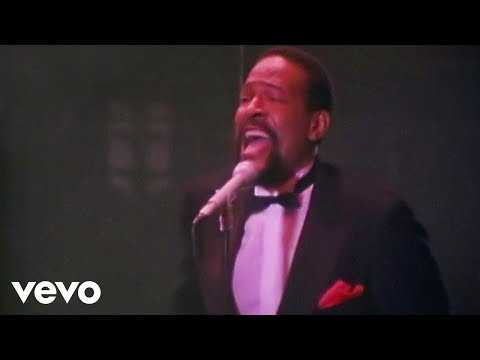




→ More from the 1960s File
View all 1960s hits →




Keep digging