The 1960s File Feature
I Can't Dance To That Music You're Playin'
The Story Behind I Can't Dance To That Music You're Playin' by Martha Reeves The Vandellas Picture Motown in the summer of 1968, a hit factory at the height …
01 The Story
The Story Behind "I Can't Dance To That Music You're Playin'" by Martha Reeves & The Vandellas
Picture Motown in the summer of 1968, a hit factory at the height of its powers, churning out records that defined the sound of young America. Among its brightest stars stood Martha Reeves and The Vandellas, a group whose ferocious energy had already produced some of the label's most explosive dance anthems. This single arrived with a knowing, almost playful title, a song about not being able to move to the music, delivered by one of the most danceable acts in pop.
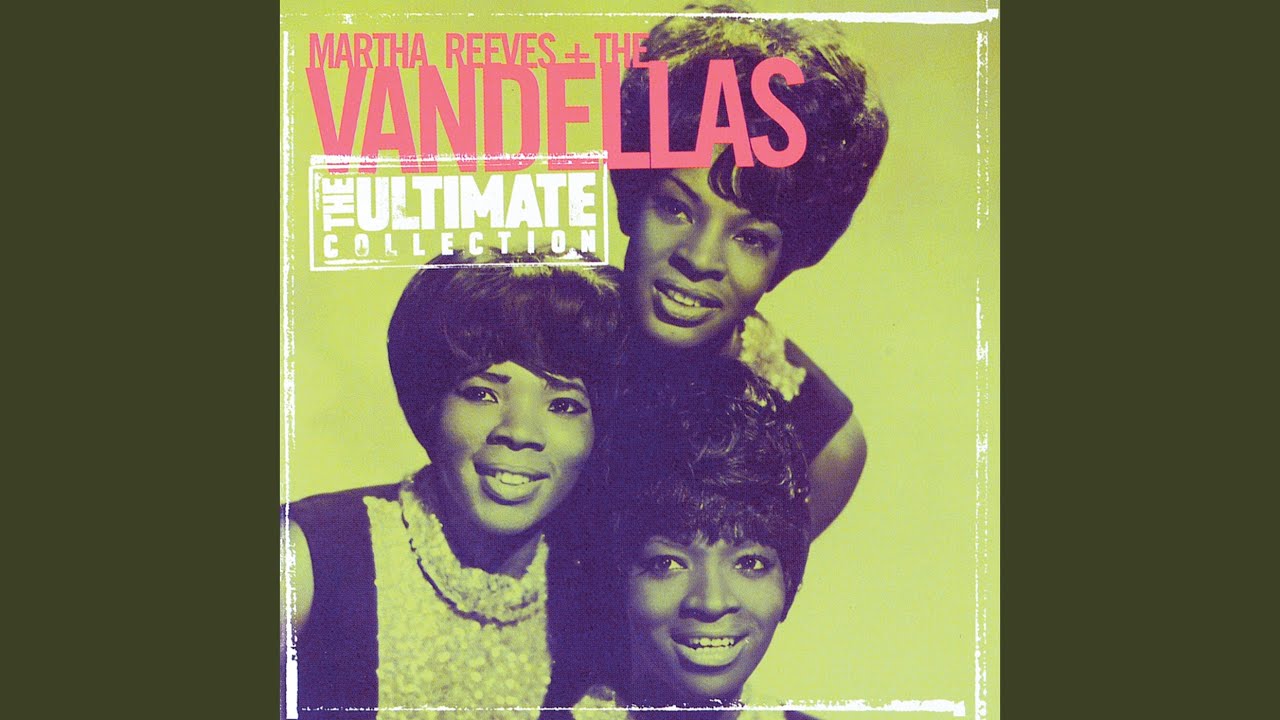
Martha Reeves and Her Vandellas
By 1968 Martha Reeves and The Vandellas were Motown royalty, known for a string of high-octane records that turned dance floors into furnaces. Reeves possessed one of the most powerful and immediate voices on the roster, a gospel-trained instrument that could command a room. The group had helped define the label's uptempo style, and they competed for studio attention and prime songs within the famously crowded Motown stable. By the late sixties the company was evolving, its sound growing more socially aware and musically ambitious. The competition inside the label was famously intense, with the best songwriters and producers spread across a roster of extraordinary talent, and the Vandellas had to fight for prime material against labelmates who were household names. That pressure kept their work sharp, and Reeves brought a fierce commitment to every session.
The Sound of the Record
This single carries the propulsive Motown rhythm the group was famous for, the kind of driving beat and punchy arrangement that made their records irresistible. Reeves attacks the vocal with characteristic force, her delivery full of grit and conviction. The production glistens with the polished house style of the Detroit machine, layered with horns and tight backing harmonies. There is a wry tension between the title's complaint about the music and the undeniable groove of the track itself, a record that practically dares you to sit still. That playful contradiction between the lyric and the groove gives the track a knowing wit, the kind of self-aware energy that only a confident group could pull off. The horns punch, the rhythm section drives, and Reeves rides the whole thing with the authority of a singer who knows exactly how good her band is.
A Solid Chart Showing
The single debuted on the Billboard Hot 100 on August 10, 1968, entering at number 90. It moved up steadily through the late summer, reaching the forties by the end of the month, and peaked at number 42 during the week of September 7, 1968. Across eight weeks on the chart it delivered a respectable mid-table run for the group. It did not reach the heights of their biggest anthems, but it kept the Vandellas firmly in the conversation during a transitional period for both the group and their label.
Part of a Lasting Legacy
Martha Reeves and The Vandellas remain enshrined among Motown's essential acts, their best work etched permanently into the history of American pop. This record sits within that larger story as a strong example of their late-sixties output, a reminder of the consistent quality the group brought to the studio. Its sizable modern streaming audience reflects the lasting power of Reeves's voice and the Motown groove. The title may protest the music, but the body knows better.
Press play and try to stay still; with Martha Reeves driving the beat, you won't last long. Today the record stands as a vivid snapshot of the group at a creative crossroads, full of the energy that made them stars.
"I Can't Dance To That Music You're Playin'" — Martha Reeves & The Vandellas' singular moment on the 1960s charts.
02 Song Meaning
The Meaning of "I Can't Dance To That Music You're Playin'" by Martha Reeves & The Vandellas
Beneath its playful title, this song carries a current of frustration and resistance, the feeling of being out of step with what surrounds you. The lyric frames the inability to dance as a kind of refusal, a statement that the music on offer does not move the singer. That simple metaphor opens into something deeper about discontent and the longing for something more authentic.
A Metaphor for Disconnection
On the surface the song is about a dance floor, but the central theme reaches further. Not being able to dance to the music becomes a way of expressing alienation, a sense that the rhythm of the moment does not match the rhythm of the heart. There is defiance in that stance, a refusal to fake enthusiasm for something that leaves you cold. The lyric turns a small social moment into a quiet declaration of independence.
Frustration With Power
The artistic message gains force from the contrast between subject and sound. Reeves sings about being unable to move while the track itself grooves relentlessly, and that tension gives the song its bite. Her commanding delivery transforms complaint into strength, so the singer never sounds defeated. Instead she sounds like someone who knows exactly what she wants and is unwilling to settle for less, channeling frustration into assertive, energized expression.
The Restless Mood of 1968
The year 1968 was one of upheaval and questioning across American life, and Motown itself was growing more socially conscious. A song about rejecting the music being played carries an undertone that fit the moment, a hint of impatience with the status quo. Listeners navigating a turbulent time could hear in it their own desire for change, the wish for a different rhythm to live by. The dance floor became a small stage for larger restlessness. Whether or not the writers intended a political reading, the song's refusal to simply go along carries an unmistakable spark of independence that suited the spirit of the moment.
Why It Still Moves People
The song endures because its core feeling is universal: everyone has felt out of sync with their surroundings, unable to embrace what others seem to enjoy. Reeves delivered that emotion with such conviction that it still resonates, and the irresistible Motown groove ensures the record remains a pleasure to hear. Its modern audience responds both to the power of the performance and to the timeless honesty of admitting, sometimes, that the music simply is not yours. Its endurance proves that a feeling honestly expressed will always find new ears willing to recognize it.
→ More from Martha Reeves & The Vandellas
View all Martha Reeves & The Vandellas hits →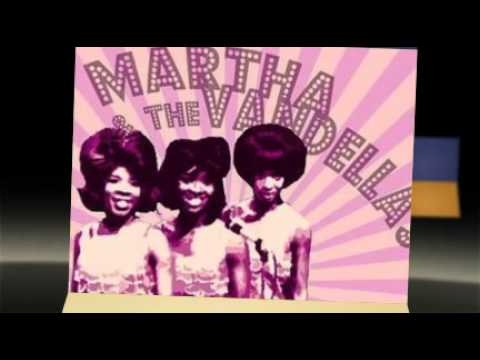
→ More from the 1960s File
View all 1960s hits →




Keep digging