The 1960s File Feature
Sha La La
"Sha La La" — Manfred Mann's Late-1964 British Invasion Strike The last weeks of 1964 were a fascinating, chaotic moment in American pop music. The British I…
01 The Story
"Sha La La" — Manfred Mann's Late-1964 British Invasion Strike
The last weeks of 1964 were a fascinating, chaotic moment in American pop music. The British Invasion, triggered by The Beatles' appearance on the Ed Sullivan Show in February of that year, had fundamentally reorganized the commercial landscape. American radio was full of British accents, and labels on both sides of the Atlantic were racing to capitalize on an appetite for anything that carried the energy of what was coming from London. Manfred Mann was not a band that made the headlines the way The Beatles, the Rolling Stones, or The Animals did, but their particular combination of R&B roots and pop craftsmanship gave them a reliable foothold in the American market.
Manfred Mann's Position in the Invasion
Manfred Mann was a South African-born keyboardist who had assembled a British R&B band that had genuine jazz and blues credentials alongside their pop ambitions. Paul Jones was their vocalist, and the combination of Jones's appealing voice and the band's tight musical proficiency gave them a profile that was slightly different from the more guitar-centered British Invasion acts. The band had already scored in America with "Do Wah Diddy Diddy", their number-one hit from earlier in 1964, which meant that American radio programmers and audiences already had a relationship with their sound when "Sha La La" arrived.
A Song Built for the Moment
"Sha La La" was a cover, the band's version of a song originally recorded by The Shirelles, and their treatment of it is a clean example of how British Invasion acts processed American pop and R&B material. The title's scat syllables serve as both hook and emotional release valve, the kind of non-lyrical sound that communicates pure feeling without the friction of specific meaning. The production is characteristically bright and forward, with a rhythmic energy that suited the medium of AM radio in 1964. Paul Jones's vocal performance drives the track with the kind of committed enthusiasm that made British Invasion recordings feel like events rather than routine releases.
Twelve Weeks and a Top-15 Peak
The song debuted on the Billboard Hot 100 on November 14, 1964, entering at position 71. It climbed with impressive speed: to 47, then 28, then 19, then 17, demonstrating the kind of momentum that comes when a record has genuine radio support building from week to week. The song peaked at number 12 on the week of January 9, 1965, after 12 weeks on the Hot 100. A top-15 peak in the teeth of the most competitive popular music market of the decade represented a meaningful commercial achievement and confirmed Manfred Mann as more than a one-hit novelty act in the American market.
Between the Giant Acts
Manfred Mann's position in the British Invasion hierarchy was always slightly below the acts that defined the cultural conversation, but that position had its own commercial advantages. While critics and journalists focused on The Beatles and the Rolling Stones, bands like Manfred Mann could build steady, reliable chart presences without the scrutiny that came with occupying the very top of the pecking order. The band's R&B credentials gave them credibility that more manufactured British pop acts lacked, and that credibility translated into a genuine audience that stayed with them through several chart entries.
Legacy of a Well-Crafted Pop Single
Manfred Mann would go on to continued chart success through the mid-1960s and, in later years, with the reconstituted Manfred Mann's Earth Band, would produce some of the most interesting art rock of the 1970s. "Sha La La" sits at the beginning of that long career trajectory, a perfectly executed British Invasion pop single that did everything it was supposed to do at exactly the right moment in pop history. The record remains a pleasurable piece of mid-1960s pop craftsmanship, the kind that rewards casual revisiting with its directness and its confident brightness.
Dial back to that winter of 1964 and let this one remind you what the Invasion sounded like at its most buoyant.
"Sha La La" — Manfred Mann's singular moment on the 1960s charts.
02 Song Meaning
The Sound Before the Words: What "Sha La La" Communicates
There is a category of pop lyric that is best understood not as language but as sound: syllables chosen for their phonetic pleasure rather than their semantic content, deployed to extend and intensify a melodic phrase in ways that actual words sometimes cannot. "Sha La La" is built around exactly this principle, using its title phrase as a musical device that carries feeling more directly than meaning, bypassing the interpretive layer of language to deliver something more immediate.
Non-Lexical Vocables in Pop
The tradition of non-lexical vocables in popular music, of syllables like "sha la la," "do wah diddy," and "be-bop-a-lula," is long and rich. These sounds originate in African musical traditions and in American gospel and blues, where the human voice is treated as an instrument capable of communicating emotional states without the mediation of specific language. When British Invasion acts adopted these vocables from American R&B, they were borrowing a specific emotional technology, a way of using the voice to create affect without denotation. The sha-la-la in the song's title and chorus does not say anything; it feels something, and that feeling is communicated directly to the listener's nervous system.
Joy as the Central Proposition
The emotional content of "Sha La La" is primarily joy: the uncomplicated, rhythmic joy of a song that knows exactly what it wants to do and does it without apology. The mid-1960s British Invasion pop mode was particularly good at this kind of musical happiness, which reflected both the genuine enthusiasm of young British musicians discovering American music and the commercial requirement that pop radio maintain an upbeat, energized sound. Paul Jones's performance captures this quality of genuine pleasure in a way that registers as authentic rather than manufactured, which is a meaningful distinction even in a format as commercially driven as early 1960s pop radio.
Cover Versions and Cultural Exchange
The fact that Manfred Mann's version is a cover of a song originally recorded by The Shirelles is itself part of the song's meaning. The British Invasion was, in significant part, a process of British artists discovering American R&B and soul music, falling in love with it, and then presenting versions of it to American audiences in altered form. This process was complicated in its cultural dynamics: Black American artists whose music was being covered sometimes received less commercial benefit from that music than the British acts who covered it. The story of how American music traveled to Britain and returned is central to understanding the British Invasion, and a song like "Sha La La" is one data point in that larger story.
The Radio Environment of 1964
The commercial context in which "Sha La La" arrived, late 1964 AM radio at the height of the British Invasion, was one designed for exactly this kind of record. The format favored brightness, catchiness, and a certain emotional uncomplexity that the song delivered without reservation. Radio listeners in 1964 were receiving an extraordinary volume of new music, and the records that cut through were those that could establish their identity within the first few seconds. The sha-la-la hook accomplishes exactly this: you know what kind of song this is before the first full phrase is complete.
Why Simple Songs Endure
Songs built around non-lexical vocables have a particular kind of durability: their primary emotional content does not age in the way that lyrically specific content sometimes does. You do not need to understand the cultural context of 1964 to feel what the sha-la-la is communicating; the feeling is delivered directly by the sound itself. This is why pop songs built on this model are often more durable than their more lyrically ambitious contemporaries, which can seem dated as the cultural references they deploy become less legible to later audiences. The sha-la-la is always current.
→ More from Manfred Mann
View all Manfred Mann hits →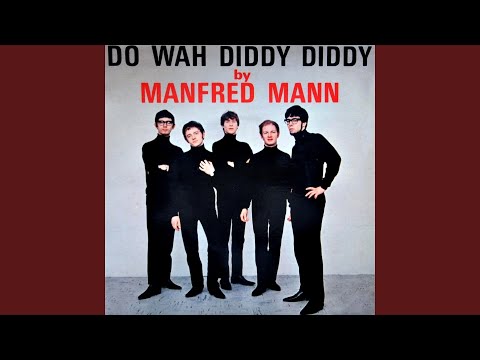


→ More from the 1960s File
View all 1960s hits →




Keep digging