The 1960s File Feature
Um, Um, Um, Um, Um, Um
"Um, Um, Um, Um, Um, Um" — Major Lance and the Chicago Soul Sound Chicago Soul on the Rise Imagine early January 1964. The Beatles had not yet landed in Amer…
01 The Story
"Um, Um, Um, Um, Um, Um" — Major Lance and the Chicago Soul Sound
Chicago Soul on the Rise
Imagine early January 1964. The Beatles had not yet landed in America; the British Invasion was still weeks away from transforming the popular music landscape. In that pre-rupture moment, American pop was largely defined by its regional soul sounds, and few were more distinctive than the Chicago school centered on Vee-Jay Records and OKeh Records. Out of that environment came Major Lance with a song so confidently odd in its title that radio programmers must have needed a moment to decide how to introduce it. The title was simply a series of six vocalizations: "Um, Um, Um, Um, Um, Um." And yet it worked extraordinarily well.
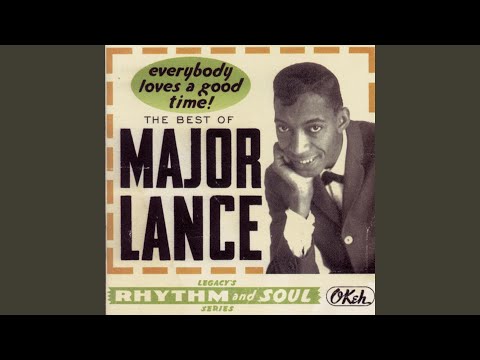
Major Lance was a Chicago-born singer who had caught the attention of the city's music scene through his combination of vocal ability and physical grace on the dance floor. He had been a friend and fellow dancer of Curtis Mayfield from their South Side Chicago youth, a connection that would prove musically consequential. When Mayfield wrote a song specifically designed to showcase Lance's strengths, the result captured something essential about the moment.
Curtis Mayfield, Writer and Producer
The creative intelligence behind "Um, Um, Um, Um, Um, Um" was Curtis Mayfield, one of the most gifted songwriter-producers in the history of American popular music. Mayfield wrote and produced the track for Lance on OKeh Records, an imprint of Columbia Records that had been revived as a soul label. At the time of the recording, Mayfield was still primarily known as a member and creative force within the Impressions, the vocal group whose recordings were defining a more introspective, gospel-inflected strand of soul music.
His work with Major Lance represented a parallel creative thread: uptempo, dance-oriented soul built on a groove that owed as much to Chicago rhythm and blues as to the gospel tradition. Mayfield's production approach for these records layered rhythmic guitar work, crisp horns, and a rhythm section designed to move feet rather than inspire reflection. The result was some of the most joyful and rhythmically irresistible soul music of the early 1960s.
Climbing to Number Five
The single entered the Billboard Hot 100 on January 4, 1964, debuting at position 58. Its rise over the following weeks was rapid and sustained, climbing week by week through January as radio programmers embraced its energy. By February 8, 1964, the track had reached its peak of number 5 on the Hot 100, an extraordinary achievement for a song whose title was literally unintelligible syllables. Over its eleven weeks on the chart, the song demonstrated the kind of sustained commercial momentum that comes from a recording that genuinely delights its listeners.
A number-5 peak on the Hot 100 in early 1964 places the track in genuinely elite company. The pop market of that specific moment was about to undergo seismic change with the arrival of the Beatles, but in the weeks before that transformation, "Um, Um, Um, Um, Um, Um" was one of the defining recordings on American radio. The song also reached the top of the R&B charts, confirming its crossover appeal across both pop and Black radio formats.
The OKeh Records Connection
OKeh Records had a storied history as one of the earliest and most important labels in American vernacular music before its revival as a soul vehicle in the early 1960s. The Columbia Records infrastructure that backed OKeh gave Major Lance's recordings national distribution capability that independent soul labels often lacked, contributing to the track's ability to compete across the full range of American radio markets simultaneously.
The combination of Mayfield's production genius, Lance's charismatic vocal and physical performance, and Columbia's distribution reach created near-ideal conditions for a major pop hit. The track was also well timed, arriving in the brief window before the British Invasion remade the commercial landscape and created much more competitive conditions for American soul acts on the pop charts.
Dance Music from the South Side
Major Lance's connection to the Chicago dance scene was not merely biographical; it informed the physical character of the music he made. Curtis Mayfield wrote for a singer who could also move, and that combination of vocal and kinetic ability shaped how the productions were constructed. The rhythmic foundations of the track are insistent and precisely calibrated for movement, with a groove that invites participation rather than passive listening.
The title's vocal sound, that repeated "um," functions as both a hook and an invitation to vocalize along with the recording. It requires nothing of the listener linguistically, making participation immediate and intuitive. That accessible quality is one reason the song found such a wide audience so quickly, crossing the demographic categories that typically segmented American radio audiences in the early 1960s.
A Benchmark of Chicago Soul
In the history of Chicago soul, "Um, Um, Um, Um, Um, Um" stands as one of the earliest and most significant demonstrations of what Mayfield and his collaborators could achieve in the pop marketplace. The track anticipated many of the qualities that would make Mayfield's later work for himself and the Impressions so influential, while remaining distinctly of its early-1960s moment. That historical position, as a preview of greater things and a fully realized achievement in its own right, makes it a fascinating document for anyone interested in how American soul music developed through the 1960s.
Find this track and put it on. Hear what made dancers and radio listeners in January 1964 respond to something as delightfully strange as a song titled entirely with repeated vocalizations.
"Um, Um, Um, Um, Um, Um" — Major Lance's singular moment on the 1960s charts.
02 Song Meaning
"Um, Um, Um, Um, Um, Um" — Joy, Vocalization, and the Language of Early Soul
The Title That Defied Convention
Among the more unusual decisions in the history of commercial songwriting is the choice to title a song with a series of six identical vocalizations. The title "Um, Um, Um, Um, Um, Um" makes no propositional claim, tells no story, evokes no image. It simply transcribes a sound, an involuntary or semi-voluntary vocalization that has been described as an expression of intense pleasure, appreciation, or wonder. That the song with this title reached number 5 on the Hot 100 in 1964 is both commercially extraordinary and artistically revealing about what popular music is actually doing when it works at its best.
Songs do not always work through their lyrical content. Sometimes the most powerful thing a song does is establish a feeling, a groove, an emotional climate in which the listener wants to remain. The title's vocal sound suggests the state of wordless pleasure that great food, great music, or great physical sensation can produce, and the track aims to create exactly that state in its audience.
Curtis Mayfield's Emotional Intelligence
The songwriting intelligence of Curtis Mayfield is evident in the way this track is constructed around what it can make listeners feel rather than what it tells them to think. Mayfield was consistently one of the most emotionally sophisticated songwriters in American popular music, capable of working across a wide tonal range from celebratory dance music to deeply serious social commentary. His work for Major Lance in the early 1960s occupied the celebratory end of that range, and he brought the same care and craft to joyful material that he brought to everything else.
The lyric itself, beyond the title vocalization, concerns a narrator in a state of overwhelming positive feeling, using the repeated "um" sound as the only adequate expression of what words cannot fully convey. This is a sophisticated understanding of how language fails at the extremes of emotional experience, and it connects to a long tradition in both gospel and blues of vocalizations that communicate what explicit language cannot.
Scat, Blues, and the Vocal Tradition
The use of non-lexical vocalizations in African American musical traditions predates recorded music by centuries. Blues singers, gospel shouters, and jazz scat vocalists had long understood that sounds which circumvent ordinary language can access emotional states that ordinary language cannot reach. The "um" vocalization in this song participates in that tradition, using a sound deeply embedded in the vernacular expressive vocabulary to communicate a state of being rather than a set of thoughts.
In the context of early soul music, this connection to older vocal traditions was both culturally significant and commercially effective. Soul's core audience recognized and responded to the deeper cultural inheritance being invoked, even when the surface of the music was as upbeat and dance-oriented as this track was.
The Sound of Pleasure as Shared Experience
One of the track's most effective qualities is its invitation to participation. The repeated vocal sound in the title and throughout the song is immediately reproducible by anyone who hears it, requiring no linguistic skill and no particular vocal ability. It is something any listener can do along with the recording, which makes the listening experience participatory in a fundamental way. Songs that invite listeners to sing along create a different kind of relationship between performer and audience than songs that are simply observed.
This participatory quality connected to the dance-floor orientation of Major Lance's performances and the groove-driven construction of Mayfield's production. The song wanted bodies moving and voices joining in, and it was constructed to facilitate exactly that response.
A Moment Before the British Invasion
The specific historical position of "Um, Um, Um, Um, Um, Um" in the January-February 1964 window immediately before the Beatles' American debut gives it an interesting cultural resonance. It represents a peak achievement of American soul's domination of its own commercial pop landscape, a moment just before that landscape was transformed. The song's commercial success in those precise weeks documents a specific chapter in American music history: the last major push of homegrown soul dominance before transatlantic sounds permanently altered the conversation.
For listeners interested in that specific cultural moment, this track offers an immediate and joyful point of entry, a song so confident in its pleasures that it needs nothing more than a six-syllable title to announce its intentions.
"Um, Um, Um, Um, Um, Um" — Major Lance's singular moment on the 1960s charts.
→ More from Major Lance
View all Major Lance hits →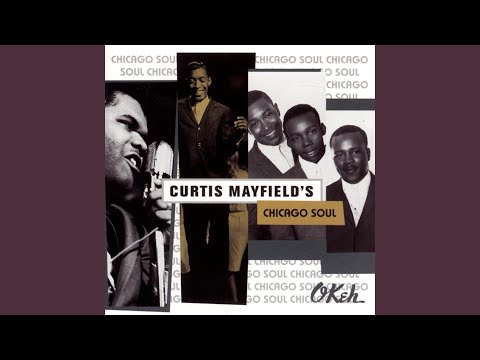


→ More from the 1960s File
View all 1960s hits →




Keep digging