The 1960s File Feature
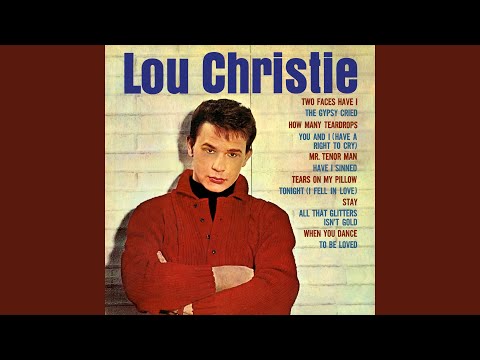
How Many Teardrops
How Many Teardrops by Lou Christie Travel back to the summer of 1963, a moment when American pop was poised between the polished sounds of the Brill Building…
01 The Story
"How Many Teardrops" by Lou Christie
Travel back to the summer of 1963, a moment when American pop was poised between the polished sounds of the Brill Building era and the seismic shift the British Invasion would soon bring. The charts brimmed with teen idols, girl groups, and dramatic ballads, and one young singer from Pennsylvania stood out for a voice that could soar into a piercing falsetto unlike anyone else on the radio. Lou Christie was building his name in exactly this window, and this single captured him in the early stages of a distinctive career.
A Singular Voice
Lou Christie, born Lugee Sacco, emerged from the Pittsburgh area with a vocal gift that set him apart in an era crowded with smooth crooners. His dramatic, soaring falsetto became his signature, a thrilling instrument that could leap into the stratosphere and lend even a simple pop song an air of high emotion. By 1963 he was establishing himself as a promising new voice, working the kind of melodramatic teen-pop that defined the moment. The material played to his strengths, giving him room to showcase the vocal acrobatics that would soon make him a star. A falsetto of that range was a genuine rarity among male pop singers of the period, most of whom favored a smoother, more grounded delivery. Christie's willingness to push his voice into its highest register gave his records an instantly recognizable signature. It was the kind of vocal gift that could not be taught, and he built his early career around it with growing confidence.
An Early Statement
"How Many Teardrops" arrived as part of Christie's early output, a record steeped in the heartbroken romanticism that dominated pop in that period. The song's title alone signals its emotional terrain, a lament shaped around the ache of lost love. The arrangement gave Christie the platform to deploy his remarkable upper register, turning the sorrow of the lyric into something dramatic and stirring. It was a calling card for a singer whose voice demanded attention, even in a year overflowing with romantic ballads. The competition for radio play was fierce in 1963, with teen idols and girl groups crowding the airwaves, so a singer needed something distinctive to break through. Christie's soaring upper register provided exactly that point of difference. Even listeners who did not catch the title would remember the voice, and that memorability mattered enormously in an era when songs lived or died by their hooks.
A Steady Climb
The single entered the Billboard Hot 100 on July 20, 1963, debuting at number 80. It moved upward with encouraging momentum, climbing to 65, then 51, before reaching its peak of number 46 on August 10, 1963. The song spent five weeks on the chart in total. While it stopped short of the Top 40, the placement marked another step in Christie's rise and demonstrated that his unmistakable voice was finding an audience. It set the stage for the bigger hits that would soon follow in his career.
Toward Greater Fame
Lou Christie's greatest triumphs lay just ahead of him, and he would go on to score major chart successes later in the decade that cemented his reputation. "How Many Teardrops" belongs to the foundational chapter of that story, a glimpse of an artist sharpening the tools that would carry him to stardom. For collectors and fans of early-1960s pop, it remains a worthwhile listen, a showcase of one of the era's most distinctive voices in its formative phase. There is real pleasure in hearing an artist before the world fully caught on, when the talent was already obvious but the fame had yet to arrive.
Give it a spin and let that soaring falsetto carry you up into the heartache, just as it did for radio listeners that summer. The voice alone is worth the trip.
"How Many Teardrops" — Lou Christie's singular moment on the 1960s charts.
02 Song Meaning
The Meaning Behind "How Many Teardrops"
Heartbreak has always been pop's most fertile subject, and Lou Christie threw himself into it with a voice built for high drama. This early single trades in the kind of romantic sorrow that defined the era, posing its grief almost as a question, a tally of pain that cannot quite be counted.
Counting the Sorrow
The song's central image is one of overwhelming sadness, framed by the title's rhetorical question about the sheer volume of tears love can produce. The theme of heartbreak's enormity drives the lyric, treating loss as something almost too vast to measure. It captures that moment of romantic devastation when grief feels endless. The phrasing turns sorrow into something epic rather than merely sad.
The Voice as Emotion
Christie's soaring falsetto is the song's greatest expressive tool. His dramatic vocal leaps mirror the lyric's emotional intensity, pushing the heartache into something theatrical and grand. Where another singer might have delivered the words plainly, Christie's voice turns them into a cry from the heart. The performance makes the listener feel the size of the sorrow, not just understand it intellectually.
The Sound of 1963
Early-1960s pop loved a good romantic tragedy, building hit after hit around heartbreak and longing. The song fits squarely within that melodramatic tradition, reflecting an era when teen romance was rendered in operatic emotional terms. It speaks to a youth culture that took its romantic disappointments with utmost seriousness. The record is a product of its time, steeped in the heightened feelings that pop then prized.
Why It Connected
Anyone who has nursed a broken heart understands the impulse to dwell on the depth of the pain. The song's emotional extravagance gave listeners permission to feel their sadness fully. It did not minimize heartbreak or rush toward recovery. Instead it lingered in the ache, validating the listener's grief through Christie's stirring delivery. That generosity of feeling was its appeal.
A Lament Worth Hearing
What makes the song memorable is the marriage of a universal sorrow with an unforgettable voice. By pairing classic heartbreak with Christie's extraordinary upper register, it transforms simple sadness into something arresting. There is a strange comfort in hearing your own sadness rendered so beautifully, as though the artistry somehow redeems the pain. The song offers that gift, transforming heartbreak into something almost thrilling to hear. When grief is set to a melody this soaring, it stops feeling like a burden and starts feeling like a shared human experience. That is the quiet alchemy of a well-made sad song, and this one performs it gracefully. For fans of the era, "How Many Teardrops" remains a vivid example of how pop once turned romantic pain into pure, soaring drama.
→ More from Lou Christie
View all Lou Christie hits →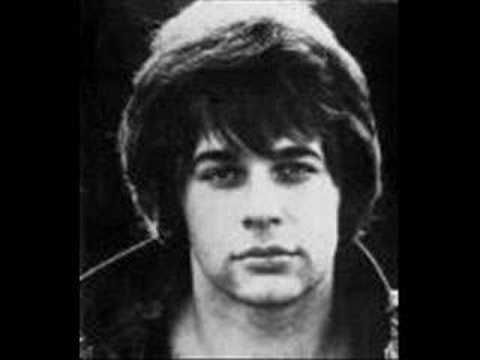


→ More from the 1960s File
View all 1960s hits →




Keep digging