The 1960s File Feature
I Wish I Were A Princess
I Wish I Were A Princess by Little Peggy March A Teenage Sensation at the Top of Her Moment Step into the bright, optimistic world of early-1963 American pop…
01 The Story
"I Wish I Were A Princess" by Little Peggy March
A Teenage Sensation at the Top of Her Moment
Step into the bright, optimistic world of early-1963 American pop, a place of bouffant hairdos, transistor radios, and the last golden season before the British Invasion changed everything. This was the era of the teen idol and the girl-group dream, when young voices sang about first love with wide-eyed sincerity and audiences of teenagers ate it up. Little Peggy March was a phenomenon of exactly this world. Barely into her teens, she had just scored an enormous chart-topping hit that made her, at the time, one of the youngest artists ever to reach the summit of the Hot 100. She was a genuine sensation, a diminutive singer with an outsized voice, and the industry moved quickly to keep her momentum going. "I Wish I Were A Princess" was one of the follow-up singles meant to capitalize on that white-hot moment of fame.
Orchestrated Pop for a Young Dreamer
The record fits snugly into the lush, orchestrated pop style of the early sixties, all sweeping arrangements, dramatic dynamics, and a big, emotive vocal at the center. The production is polished and cinematic in the way that defined the era's teen-pop, giving March plenty of room to belt with the surprising power that had made her a star. The song showcases the grand, orchestral pop production that dominated early-sixties radio. There is an innocence and theatricality to it, a sense of youthful yearning dressed up in strings and drama. It was music designed to make teenage hearts swell, unashamedly romantic and built around a fantasy that its target audience could instantly understand. For a young singer with a big voice, it was ideal material.
A Respectable Follow-Up on the Hot 100
Following a number-one smash is one of the hardest tasks in pop, and the chart run here reflects that challenge. "I Wish I Were A Princess" debuted on the Billboard Hot 100 on June 1, 1963, at number 82. It then climbed with encouraging speed, jumping to 66, then 53, then 43, and reaching 36 in consecutive weeks, a strong and steady ascent. The single ultimately peaked at number 32 during the week of July 13, 1963, and spent seven weeks on the Hot 100. While it could not approach the towering heights of her signature hit, a peak in the low thirties was a perfectly respectable showing for a follow-up single. It kept March visible and charting during a crucial stretch, proving her initial success was no fluke.
The Twilight of an Era
The timing of this record gives it a poignant edge. In mid-1963, the reign of the American teen idol and the orchestrated girl-group sound was approaching its final chapter. Within a year, the arrival of the Beatles and the broader British Invasion would upend the entire pop landscape, sweeping away much of the sound that March embodied. She was one of the last stars of the pre-Beatles teen-pop era, and singles like this one capture that world in its final flowering. There is a sweetness to hearing it now, knowing how completely the ground was about to shift beneath this style of music.
A Charming Chapter in a Lasting Career
Though her American chart peak was brief, Little Peggy March enjoyed a durable career, finding particular and lasting success overseas that kept her performing for decades. She remained a beloved and active performer long after her initial burst of American fame, a testament to genuine talent and staying power. "I Wish I Were A Princess" stands today as a charming artifact of her youthful heyday, a window into a vanished era of pop innocence. It endures with around 70,000 YouTube views, treasured by fans of early-sixties pop and by those who remember her remarkable rise.
Press Play and Return to 1963
Cue this one up and you are whisked back to a sweeter, simpler moment in pop history. The strings swell, the young voice soars, and the whole thing glows with the earnest romance of its time. It is a delightful time capsule from just before everything changed. Press play and let it carry you back.
"I Wish I Were A Princess" — Little Peggy March's singular moment on the 1960s charts.
02 Song Meaning
The Meaning Behind "I Wish I Were A Princess"
The Fairy-Tale Longing of Youth
The meaning of "I Wish I Were A Princess" sits right on the surface, and that clarity is its charm. The song gives voice to a young person's romantic daydream, the wish to be swept up in a fairy-tale life of glamour and love. Its central theme is the innocent longing for a storybook romance. The imagery draws on the language of fairy tales, of princesses and grand romantic fantasies, capturing the way a young heart imagines love as something magical and complete. It is pure wish fulfillment, sincere and unironic, exactly as its teenage audience wanted it.
Yearning Without Cynicism
What defines the song emotionally is its total sincerity. There is no irony here, no knowing wink, just the earnest yearning of youth. The emotional message is one of hopeful, wide-eyed desire for a more romantic and glamorous life. That innocence is central to its appeal. The song captures a specific moment in growing up, when love and life still seem like they might unfold as perfectly as a bedtime story. It voices a wish that almost everyone has felt at some point, the desire to be special, cherished, and lifted out of the ordinary.
Escape Into a Better Story
Beneath the fairy-tale imagery runs a familiar impulse, the wish to escape everyday life for something more enchanting. The song taps into the universal daydream of a grander, more romantic existence. For its young listeners, the princess fantasy was a way of imagining a future full of possibility and romance, a projection of hopes onto a shimmering ideal. That longing to transcend the mundane and step into a more beautiful story is something that resonates well beyond any single generation.
Innocence in a Pre-Turmoil Era
Set in early 1963, the song reflects the wholesome, romantic sensibility of pre-Beatles teen pop, a moment of relative innocence before the cultural upheavals of the later decade. Its unguarded sweetness embodies the optimistic spirit of its era. Songs like this offered young listeners uncomplicated fantasy and reassurance, a soundtrack for dreaming. Viewed from later decades, that innocence carries a certain nostalgic poignancy, capturing a pop culture on the verge of enormous change.
Why the Dream Still Charms
The song endures because the daydream at its heart never truly fades. Every generation of young people imagines a more romantic, more magical version of their lives. Its lasting appeal lies in the timeless innocence of wishing for a fairy-tale romance. Delivered with such earnest conviction, the song remains a sweet and disarming reminder of youthful hope. Anyone who has ever daydreamed of being swept away recognizes the feeling, and that gentle universality is why the song still charms listeners today.
→ More from Little Peggy March
View all Little Peggy March hits →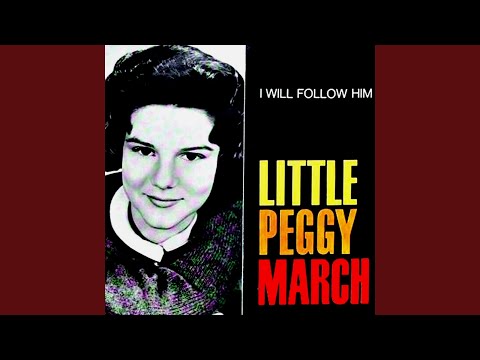

→ More from the 1960s File
View all 1960s hits →




Keep digging