The 1960s File Feature
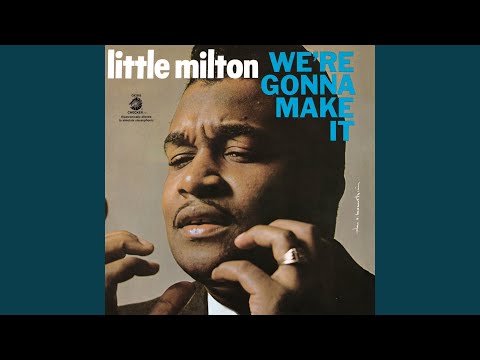
We're Gonna Make It
The Story Behind We're Gonna Make It by Little Milton A Bluesman Finding His Breakthrough By the mid-1960s, Little Milton had spent well over a decade paying…
01 The Story
The Story Behind "We're Gonna Make It" by Little Milton
A Bluesman Finding His Breakthrough
By the mid-1960s, Little Milton had spent well over a decade paying his dues on the Southern blues circuit, cutting his teeth as a guitarist and singer for Sun Records before finding a more consistent home at Chess Records' subsidiary label, Checker. He was a road-tested performer with a booming, gospel-inflected voice, the kind of singer who could hold a juke joint crowd in the palm of his hand long before national radio ever noticed him. When 1965 arrived, Milton was on the verge of the biggest moment of his recording career, and this song became the vehicle that finally carried him there, arriving after years of grinding regional success finally paid off on a national stage.
Soul Music with a Message of Endurance
Musically, the track fused blues grit with the rising tide of Southern soul, driven by a churning rhythm section, punchy horns, and Milton's commanding vocal that balanced vulnerability with resolve. Lyrically and emotionally, it spoke to the everyday hardships of working-class life, framing struggle not as defeat but as a shared burden that could be overcome through partnership and perseverance. That message resonated deeply in 1965, a year of tremendous social upheaval, and the song's optimism against hardship gave it a resonance well beyond typical juke box fare. It became one of the defining singles to emerge from the fertile soul scene coalescing around Chess Records at the time, a label that was quickly becoming a proving ground for a new generation of Southern soul talent.
An Extended Climb Up the Hot 100
The single entered the Billboard Hot 100 on March 27, 1965, debuting modestly at number 89. From there, it began a patient, steady ascent, climbing to 73, then 57, then 52, before breaking into the top forty at 37 within its first month. That kind of consistent week-to-week movement reflected genuine grassroots momentum, the sort built by radio programmers and record buyers responding organically rather than through any single explosive moment. The song eventually reached its peak position of number 25 on May 15, 1965, and held on for a total of eleven weeks on the chart, an unusually long and steady run that spoke to its staying power with listeners across multiple regions of the country.
Crossover Success and Genre Blending
Reaching the top twenty-five on the pop-oriented Hot 100 was a significant achievement for an artist rooted so firmly in blues tradition, and it underscored how porous the boundaries between blues, soul, and pop had become by the mid-sixties. Milton's crossover appeal helped cement his reputation as one of the era's most versatile Southern soul voices, someone equally at home on gritty blues circuits and increasingly polished soul radio playlists. It also reflected the broader success of the Chess and Checker labels during this period, which were becoming crucial hubs for artists bridging blues authenticity with soul's commercial ambitions, releasing records that could satisfy blues purists while also chasing genuine pop crossover.
A Voice That Kept Evolving
What made Milton such a compelling figure throughout this era was his refusal to be boxed into a single lane. He continued recording prolifically through the sixties and seventies, absorbing funk and soul influences while never losing the blues foundation that first defined him. That adaptability kept him relevant across changing musical trends in a way many of his blues contemporaries struggled to match, and it made records like this one feel like part of an ongoing evolution rather than an isolated hit.
A Defining Entry in a Long Career
This single stands as one of the most significant chart achievements of Milton's long and prolific career, a career that would stretch across five decades and see him inducted into the Blues Hall of Fame. It captured him at a creative peak, singing with the kind of conviction that only comes from years spent honing a craft in front of unforgiving live audiences. Decades later, the song still circulates among soul and blues enthusiasts as an essential document of a transformative period in Black American music, one where genre lines blurred in service of something bigger than any single label could contain.
Cue it up and let that Chess-era rhythm section remind you why Southern soul never really goes out of style.
"We're Gonna Make It" — Little Milton's singular moment on the 1960s charts.
02 Song Meaning
What "We're Gonna Make It" Is Really About
Resilience as a Romantic and Social Statement
At its heart, this song is a declaration of shared endurance, a promise between two people that whatever hardship comes their way, they will weather it together. The lyrics lean into images of financial struggle and daily grind, framing love not as an escape from difficulty but as the very thing that makes difficulty survivable. That framing gave the song emotional weight far beyond a typical romantic single, turning it into something closer to an anthem of working-class solidarity that spoke to a much wider audience than romance alone.
The Voice of Struggle, Not Despair
What separates this track from a simple lament is its insistence on hope. Milton's delivery carries the weariness of someone who has genuinely known hard times, yet the song never collapses into hopelessness. Instead, it channels that weariness into determination, using the repeated assurance of eventual triumph as both comfort and rallying cry. This balance between honesty about hardship and unwavering optimism became a hallmark of the best Southern soul records of the period, distinguishing them from both pure blues laments and glossier pop optimism.
A Mirror of 1965 America
Released amid the civil rights movement's most consequential year, with the Selma marches and the Voting Rights Act dominating headlines, the song's themes of collective perseverance carried unmistakable resonance for Black listeners navigating both economic hardship and a fight for basic dignity. While not explicitly political, its message of shared struggle and eventual triumph fit naturally into the emotional undercurrent of the era, a period when soul music increasingly doubled as cultural affirmation for communities facing enormous social pressure.
Why It Connected So Widely
Part of the song's broad appeal came from its universality. Financial strain and the promise of better days ahead were experiences that transcended race and region in 1965, which helped the record cross over from blues and R&B audiences into the broader pop marketplace. Listeners heard in Milton's voice something rare, authority earned through lived experience rather than performance, and that authenticity made the song's optimism feel credible rather than saccharine or manufactured for radio appeal.
An Enduring Message of Partnership
Decades on, the song's central idea, that hardship shared is hardship halved, still lands with clarity and warmth. It endures not because of any clever lyrical trick but because its emotional honesty about struggle, paired with genuine hope, remains timeless. That combination is precisely what elevated it from a regional blues single into a defining soul record of its era, and why it continues to be rediscovered by new listeners searching for music with real emotional substance.
A Song That Aged Into a Standard
Even as musical trends shifted through the late sixties and beyond, the song's plainspoken depiction of partnership through hardship kept it in rotation among soul revues and blues bar bands alike. Its lasting presence on those stages speaks to how thoroughly its message outlived the specific chart week that first introduced it to national audiences, cementing its place as a quiet standard within the wider soul and blues songbook.
→ More from Little Milton
View all Little Milton hits →

→ More from the 1960s File
View all 1960s hits →




Keep digging