The 1960s File Feature
Let's Turkey Trot
Let's Turkey Trot by Little Eva: A Dance-Craze Delight from the Girl-Group Era Picture the American pop scene of early 1963, a moment when dance crazes swept…
01 The Story
"Let's Turkey Trot" by Little Eva: A Dance-Craze Delight from the Girl-Group Era
Picture the American pop scene of early 1963, a moment when dance crazes swept the nation and seemingly every new step inspired its own hit record. The twist had opened the floodgates, and pop music overflowed with songs inviting listeners to learn the latest dance. At the center of this giddy moment stood Little Eva, a young singer who had already given the world one of the most enduring dance anthems of the era. "Let's Turkey Trot" was her invitation to a new step, a bright, infectious slice of early-1960s pop built for the dance floor.
The Voice Behind a Dance Phenomenon
Little Eva had become a star thanks to her enormous 1962 hit "The Loco-Motion," a song that launched a dance craze and became one of the defining records of its time. "The Loco-Motion" was written by the celebrated songwriting team of Gerry Goffin and Carole King, who were among the most successful and influential songwriters of the era. Little Eva's connection to that legendary songwriting partnership placed her at the heart of the Brill Building pop machine, the hit-making engine that produced so much of the era's beloved music. "Let's Turkey Trot" continued in the dance-craze tradition that had made her famous, inviting listeners to try yet another new step.
The song carried all the bright, bouncy energy of early-1960s pop, an upbeat invitation to dance set to a catchy melody. Like many records of the period, it built its appeal around the simple joy of movement, the communal pleasure of learning a dance together. Little Eva delivered it with the spirited charm that had made her debut so beloved, her youthful enthusiasm perfectly suited to the playful material. The record reflected a moment when pop music and dance were intimately intertwined, when a great dance song could sweep the nation.
A Strong Chart Showing
On the Billboard Hot 100, the single performed well, riding the era's appetite for dance records. It debuted at number 82 on February 2, 1963, then climbed quickly through the late winter weeks. The numbers rose with real momentum, from 82 to 62 to 44 to 34 to 31, the song gaining ground rapidly as it caught on. It reached its peak of number 20 during the week of March 23, 1963, a solid hit that kept Little Eva on the charts following her breakthrough. In total the single spent ten weeks on the Hot 100, a respectable run that demonstrated her continued appeal as a purveyor of irresistible dance pop.
A Chapter in the Dance-Craze Era
Within Little Eva's career, "Let's Turkey Trot" stands as a charming follow-up to her career-defining hit, a record that kept her in the spotlight during the height of the dance-craze phenomenon. She remained associated with the early-1960s dance-pop sound, a style that captured the youthful exuberance of the moment. While she would always be best known for her debut smash, songs like this one demonstrated her continued vitality and her place within a beloved era of pop music. It stands as a delightful example of the dance-craze records that defined the period.
The Simple Joy of the Dance
What the song offers is the pure, uncomplicated pleasure of early-1960s dance pop, the bright melody and bouncy rhythm engineered to get people moving. There is an innocence and joy to the dance-craze records of the era, a communal spirit that invited everyone to join in. Little Eva delivered that invitation with infectious enthusiasm, creating a record that radiates youthful happiness. It captures a moment when pop music's chief ambition was simply to make people dance and smile.
Put it on and let its bouncy charm sweep you up, and you will feel the giddy joy of the early-1960s dance-craze era.
"Let's Turkey Trot" — Little Eva's singular moment on the 1960s charts.
02 Song Meaning
The Meaning of "Let's Turkey Trot" by Little Eva
The meaning of this song could hardly be simpler or more joyful, an invitation to dance and have fun. Built around a new dance step, the track exists to get people moving and smiling, a celebration of the communal pleasure of the dance floor. Its meaning lives in that uncomplicated joy, the giddy delight of learning a dance together.
An Invitation to Dance
The lyric is essentially a call to join in a new dance, the turkey trot, encouraging listeners to learn the step and move along. The central theme is the pure fun of dancing, the communal joy of a dance craze sweeping through a crowd. There is no deeper message hidden beneath the surface, only the bright invitation to participate and enjoy. The song revels in that simplicity, treating the dance floor as a place of shared happiness.
The Communal Spirit
What gives the song its charm is its sense of togetherness. The track celebrates the collective experience of dancing, the way a dance craze brought people together in shared movement and fun. That communal spirit defined the dance-craze records of the era, songs that turned the simple act of dancing into a national pastime. The song invites everyone to join in, projecting a warmth and inclusiveness that made the dance floor feel like a community.
The Dance-Craze Moment
Released in early 1963, the song arrived at the height of the dance-craze phenomenon, when new dances inspired new hits in rapid succession. The track reflected a pop culture obsessed with dancing, a moment when youthful energy and the joy of movement dominated the charts. The cultural backdrop celebrated this kind of upbeat, participatory music, and the song captured the era's spirited, fun-loving sensibility. It embodied a time when pop music and dance were joyfully inseparable.
Why It Resonated
The song connected with listeners because it offered pure, accessible fun. The universal joy of dancing needs no explanation, and Little Eva delivered it with infectious enthusiasm. For a youthful audience caught up in the dance-craze excitement, the song was an irresistible invitation to join the fun, the kind of record that made you want to get up and move. Its uncomplicated joy was precisely what made it resonate with a generation eager to dance.
The Innocent Joy of an Era
Looking back, the song captures something precious about the pop culture of its moment, a wholesome, communal joy that defined the early 1960s before the decade's later upheavals. The dance-craze records embodied an optimism and innocence that feels almost touching in retrospect, a time when the chief ambition of a hit song was simply to make people happy and get them dancing. The song preserves that spirit perfectly, a small time capsule of youthful exuberance. For listeners today, it offers not just a catchy melody but a window into a more innocent moment in American pop.
→ More from Little Eva
View all Little Eva hits →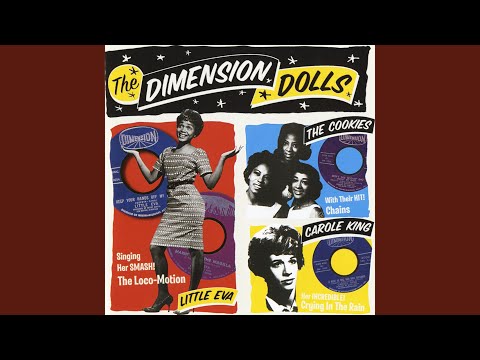
→ More from the 1960s File
View all 1960s hits →




Keep digging