The 1960s File Feature
Hypnotized
Hypnotized: Linda Jones and the Burning Soul of 1967 A Voice That Demanded Attention The summer of 1967 was awash in sound. Psychedelic rock was flowering on…
01 The Story
Hypnotized: Linda Jones and the Burning Soul of 1967
A Voice That Demanded Attention
The summer of 1967 was awash in sound. Psychedelic rock was flowering on the West Coast, soul music was reaching peak intensity on the East Coast and in Detroit and Memphis, and the airwaves carried a richness of competing styles that has never quite been matched. Into this crowded landscape stepped Linda Jones, a Newark, New Jersey singer whose voice was so raw and physically demanding that she seemed almost too large for the radio speakers she came out of. Jones had been singing since childhood in the gospel tradition, and her approach to secular soul music retained the full-throated abandon of church singing, the kind of performance that treats every syllable as if it carries the weight of the world.
Recording and Release
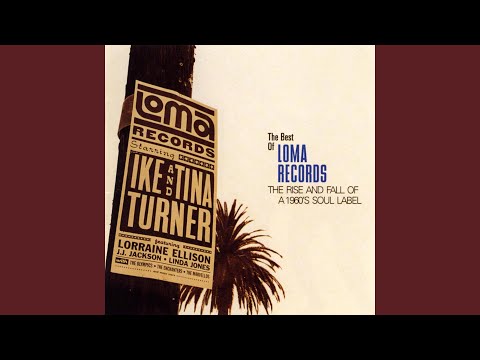
Hypnotized was released on Loma Records, a subsidiary of Warner Bros., in 1967. The production drew on the rich rhythmic resources of the era's soul music, with a full band arrangement providing the foundation for Jones's vocal performance. The song showcases a dramatic range between relative restraint in the verses and explosive release in the choruses, a structural device drawn directly from gospel music where the building of emotional intensity is as important as the peak itself. Linda Jones was known for a vocal style of extraordinary emotional intensity, one that sometimes crossed into the territory of gospel shouting and holiness-church exuberance, and Hypnotized gave her a vehicle well suited to those gifts.
The Chart Run
The single entered the Billboard Hot 100 on June 24, 1967, debuting at position 96. What followed was one of the more gradual and sustained climbs of the summer chart season: 76 in week two, 51 in week three, 45 in week four, and 35 in week five. The song continued to climb in subsequent weeks, ultimately reaching its peak of number 21 on August 26, 1967, and spending a total of twelve weeks on the Hot 100. That extended chart run, more than three months on the pop chart, testified to the song's genuine durability with radio audiences. On the R&B charts, the song performed even more powerfully, reaching the top ten and establishing Jones as a significant presence in the genre.
Soul Music in the Summer of Love
It is worth pausing to appreciate what it meant for a singer like Linda Jones to chart a top-25 pop hit in the summer of 1967, when the cultural conversation was dominated by the psychedelic movement, the Monterey Pop Festival, and the emergence of rock as album-oriented art. Soul music was holding its ground on the charts, with Aretha Franklin having signed to Atlantic Records in January and beginning to release the recordings that would make her a legend. The R&B tradition was not ceding ground to the rock revolution but was in fact contributing to it, with rhythm and soul sensibilities influencing rock production in ways that would only become clearer in retrospect. Linda Jones occupied the fiercest end of that soul tradition, the gospel-rooted, physically uninhibited end where the music was raw rather than polished.
A Career Cut Short
Linda Jones would continue recording through the late 1960s and early 1970s, releasing material on Turbo Records and building a devoted following among fans of deep soul. Her career was tragically cut short when she died in 1972 at the age of 28 from complications related to diabetes. Hypnotized stands as her signature recording, the document that best captures what made her voice so exceptional and so different from the more polished soul singers of her era. Her influence persisted through the records she left behind, and those records have found new listeners in every generation since, drawn by the same immediate power that made radio audiences in the summer of 1967 stop whatever they were doing and turn up the volume.
Listen to this and understand what it means when people talk about a voice that reaches inside you and refuses to let go.
"Hypnotized" — Linda Jones's singular moment on the 1960s charts.
02 Song Meaning
Hypnotized: Surrender, Power, and the Gospel of Romantic Obsession
The State of Being Hypnotized
To be hypnotized is to have surrendered control, to be acted upon by an external force that the conscious mind cannot resist. As a metaphor for romantic and sexual attraction, it captures something specific: the experience of desire so overwhelming that it feels like loss of agency rather than exercise of it. Hypnotized places the narrator in this state, unable to pull away from someone whose power over her has become total. Linda Jones sang this condition with gospel-rooted conviction, treating the loss of self-control not as humiliation but as evidence of the extraordinary power of what she felt. In her performance, surrender became its own kind of authority.
Gospel Transformation of Secular Feeling
The deepest roots of Linda Jones's style lie in the tradition of gospel music, where the relationship between the believer and the divine is often described in terms of overwhelming, irresistible love. The complete surrender of self to a higher power, the sense of being seized and transformed by something beyond ordinary experience: these are gospel themes translated into secular language in soul music, and Hypnotized demonstrates the translation with particular clarity. When Jones unleashed the full force of her voice, she was drawing on a tradition that understood extreme emotional expression as spiritually authentic rather than theatrically excessive. The church had given her permission for precisely this kind of vocal abandon.
Female Desire and Agency in 1967 Soul
Songs that place a woman in the position of uncontrolled, overwhelmed desire carry complicated implications, and it is worth thinking about how Hypnotized negotiates them. Jones does not sing as a passive victim of someone else's power. Even in surrender, her performance is assertive. The sheer force of her voice insists on her presence, her emotional reality, her refusal to diminish the experience she is describing. The ferocity of the performance reclaims the narrator's authority even while the lyric describes its loss. This productive tension between the vulnerability of the lyric and the power of the delivery is what makes the best soul recordings so psychologically complex.
The Sound of 1967 at Its Most Intense
Soul music in the summer of 1967 was moving in several directions at once. Motown was producing some of its most sophisticated commercial product. Atlantic was about to unleash Aretha Franklin on an unsuspecting world. Smaller labels were releasing records of considerable raw power that sometimes found radio audiences despite limited promotional budgets. Hypnotized falls into this last category, a record whose success was driven primarily by the undeniable force of the performance rather than by any particular promotional advantage. Radio audiences responded because they had never heard quite this voice before, and that kind of first-encounter response is the hardest to manufacture and the most reliable predictor of lasting impact.
Why the Song Endures
Linda Jones left a small catalog, and within that catalog Hypnotized is the recording that most fully captures her gifts. It has been rediscovered by successive generations of listeners drawn to deep soul, rare groove, and gospel-rooted R&B. The song appears on compilations celebrating the overlooked voices of 1960s soul and is regularly cited by singers who cite Jones as a formative influence. Its endurance rests on a simple foundation: a great voice singing a song that gives it everything it needs and nothing it does not. The economy of the production and the extravagance of the performance create a perfect balance, and that balance is rarer and more valuable than it might appear.
"Hypnotized" — Linda Jones's singular moment on the 1960s charts.
→ More from Linda Jones
View all Linda Jones hits →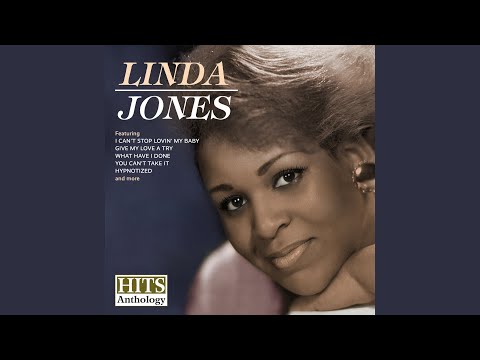
→ More from the 1960s File
View all 1960s hits →




Keep digging