The 1960s File Feature
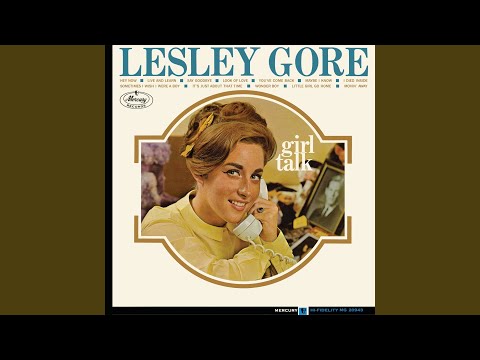
Sometimes I Wish I Were A Boy
The Quiet Frustration of Sometimes I Wish I Were A Boy by Lesley Gore Picture the autumn of 1964, when teenage pop ruled the charts and a generation of young…
01 The Story
The Quiet Frustration of "Sometimes I Wish I Were A Boy" by Lesley Gore
Picture the autumn of 1964, when teenage pop ruled the charts and a generation of young listeners saw their hopes and heartaches reflected back at them in three-minute singles. The girl-group sound and the youthful pop ballad were at their height, and few artists captured the emotional world of teenage girls more vividly than Lesley Gore. Already a major star, she brought her expressive voice to "Sometimes I Wish I Were A Boy," a song that touched on frustrations rarely voiced so directly. The single reached number 86 on the Billboard Hot 100.
A Voice of Teenage Emotion
By late 1964, Lesley Gore had established herself as one of the most successful young voices in pop. A string of hits had made her a star, and she had become known for songs that articulated the inner lives of teenage girls with rare honesty and feeling. Her recordings gave voice to heartbreak, defiance, and longing in ways that connected deeply with her audience. "Sometimes I Wish I Were A Boy" arrived as she continued to explore the emotional terrain that made her music so resonant with young listeners.
A Song of Honest Longing
The recording carries the expressive, heartfelt quality that defined Gore's best work. The arrangement supports a vocal performance full of genuine feeling, conveying the frustration and yearning at the heart of the lyric. There is an emotional directness to the song, a willingness to express a sentiment that many young women felt but rarely heard articulated. Gore's voice brings real conviction to the material, making the song feel personal and sincere. It is teenage pop with a thoughtful, honest streak.
A Modest Chart Run
The chart story reflects a brief appearance. The single debuted at number 96 on October 31, 1964, and climbed gradually, moving to 92, then 91, before peaking at number 86 on November 21, 1964. It spent a total of four weeks on the Billboard Hot 100. While this showing was modest compared to Gore's biggest hits, the song's appearance on the chart reflected her continued presence as a popular young artist and the ongoing appeal of her emotionally honest material to her devoted audience.
A Chapter in Her Story
Within Lesley Gore's celebrated career, this song stands as an intriguing entry that touched on themes of freedom and frustration. While she is best remembered for her bigger hits, this track revealed her willingness to express the quieter, more complicated feelings of teenage life. It showcased the emotional honesty that made her such a beloved voice for young listeners. The song became a notable part of her body of work, reflecting an artist attuned to the real frustrations of her audience. Gore had a particular gift for songs that took the inner lives of young women seriously, refusing to treat their feelings as trivial. This track fit squarely within that tradition, giving voice to a frustration that her audience knew well but rarely heard sung aloud.
Why It Still Speaks
For listeners today, the song remains a poignant expression of teenage longing and frustration. Its honest emotion still resonates, especially given how directly it names a feeling that was rarely voiced in its era. There is real value in hearing such sincere expression from a gifted young artist. Listened to now, the song feels quietly ahead of its time, touching on questions of gender and freedom that would soon move to the center of cultural conversation. Gore's willingness to give voice to such a frustration lends the track a lasting significance beyond its modest chart showing. It stands as a small but meaningful document of teenage emotion. Press play and let Lesley Gore's heartfelt voice draw you in. With its peak at number 86, it endures as a thoughtful chapter in the story of a pioneering pop voice.
"Sometimes I Wish I Were A Boy" — Lesley Gore's singular moment on the 1960s charts.
02 Song Meaning
The Meaning Behind "Sometimes I Wish I Were A Boy" by Lesley Gore
The meaning of "Sometimes I Wish I Were A Boy" lies in its expression of frustration with the limits placed on young women. The song voices a longing for the freedoms that boys seemed to enjoy, touching on feelings of inequality and constraint that many teenage girls experienced but rarely heard expressed in popular music. The meaning is rooted in that honest, quietly powerful articulation of a common but unspoken frustration.
A Wish for Freedom
The central theme is the desire for the liberties and easier emotional path that boys appeared to have. The lyric expresses envy not of being male in itself but of the freedom and lack of vulnerability that seemed to come with it, particularly in matters of the heart. It captures the frustration of feeling more constrained, more emotionally exposed, simply because of one's gender. The song gives voice to a yearning for greater freedom and a fairer emotional footing.
An Emotional Honesty
The emotional message is one of sincere, vulnerable frustration. Lesley Gore's heartfelt delivery conveys genuine longing and a touch of resignation, making the sentiment feel deeply personal. The song does not rage; it expresses a quieter, more wistful kind of frustration, the ache of wishing things were different. There is real honesty in its willingness to name an uncomfortable feeling, giving voice to emotions that many young women carried silently.
A Reflection of Its Era
Arriving in 1964, the song appeared on the cusp of enormous social change, just before the women's movement would bring such frustrations into broader public conversation. The expectations placed on young women in that era were considerable, and the song quietly reflected the tensions many felt. While framed as teenage pop, its theme resonated with a deeper cultural undercurrent, hinting at questions about gender and freedom that would grow more prominent in the years ahead.
Why It Resonated
Listeners connected with the song's honest expression of a relatable frustration. Reaching number 86 on the Billboard Hot 100, it found an audience among young women who recognized their own feelings in the lyric. The appeal lay in its sincerity, the way it gave voice to an experience that was rarely acknowledged. People respond to music that names their unspoken feelings, and this song offered exactly that kind of recognition.
A Lasting Resonance
The enduring meaning of "Sometimes I Wish I Were A Boy" is its honest expression of a longing for freedom and fairness. It captures a frustration that, in many ways, still echoes today. In Lesley Gore's heartfelt hands, that sentiment became a quietly meaningful piece of teenage pop, a lasting reminder of the emotions her generation of young women carried with them.
→ More from Lesley Gore
View all Lesley Gore hits →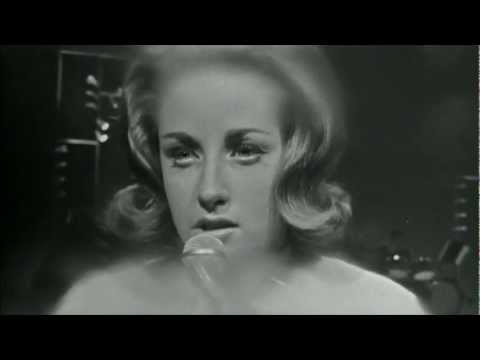



→ More from the 1960s File
View all 1960s hits →




Keep digging