The 1960s File Feature
I Don't Wanna Be A Loser
Lesley Gore Stands Her Ground on I Don't Wanna Be A Loser Picture the radio in the summer of 1964, full of girl-group drama and teen romance, and in walks a …
01 The Story
Lesley Gore Stands Her Ground on "I Don't Wanna Be A Loser"
Picture the radio in the summer of 1964, full of girl-group drama and teen romance, and in walks a young singer with a voice that could turn heartbreak into something sharp and self-aware. Lesley Gore had already become a sensation, a teenager who sang about the emotional stakes of young love with surprising bite. "I Don't Wanna Be A Loser" catches her in that early hot streak, delivering a pop confection with just enough edge to make it stick.
A Teen Star at Full Speed
By 1964 Lesley Gore was one of the brightest young stars in American pop. She had broken through with a run of hits that captured the hopes and humiliations of teenage life, sung from a perspective that felt genuinely her own. Gore had already become a defining voice of early-1960s teen pop, beloved for songs that took young people's feelings seriously. This single arrived during that productive period, another chapter in her string of records aimed squarely at the heart of the teenage experience.
Polished Pop with a Pulse
The song fits the lush, dramatic pop style of its moment, with a full arrangement framing Gore's clear, emotive vocal. The production carries the orchestrated, big-sound feel of early-1960s pop, layered with backing vocals and a driving beat built for radio. Gore sings with the urgency the title demands, her voice cutting through the arrangement with real personality. It is glossy, professional pop craftsmanship, the kind of record designed to grab a teenager's attention in the first few seconds and hold it through the last chorus.
A Solid Chart Climb
The American chart run showed steady, healthy momentum. The single debuted on the Billboard Hot 100 at number 75 on May 23, 1964 and climbed week after week with encouraging consistency: to 52, then 46, then 42, and finally to its peak of number 37 on June 20, 1964. In all it spent five weeks on the chart. It was not one of her chart-topping blockbusters, but a top-forty finish during the heat of the British Invasion confirmed that Gore's audience remained loyal and her hitmaking touch intact.
Singing Through the British Invasion
The timing of this single makes its success especially notable. By the summer of 1964, the British Invasion was reshaping American pop at breathtaking speed, with new groups from across the Atlantic dominating the airwaves and pushing many established acts aside. For an American teen-pop singer to keep landing top-forty-adjacent hits in that climate took real staying power. Gore held her ground against a wave of competition that swept away many of her peers, proof that her audience remained devoted. Her records spoke to a specific listener, the American teenager navigating the highs and lows of young romance, and that connection proved durable even as musical fashions shifted around her. This single is a small but telling sign of an artist who knew exactly who she was singing for and kept delivering for them.
A Piece of a Trailblazing Career
This single belongs to the early stretch of a career that would prove more significant than its teen-pop label suggested. Gore went on to be celebrated as a pioneering voice for young women in pop, an artist whose best-known songs carried real assertiveness. "I Don't Wanna Be A Loser" reflects that same spirit in miniature, a young woman refusing to be defeated by romance. It is a charming entry in the catalog of a singer who gave teenage emotion genuine weight and treated her young listeners' feelings with real respect.
Press play and hear the spark in her voice. Lesley Gore made teen heartbreak sound like something worth fighting through.
"I Don't Wanna Be A Loser" — Lesley Gore's singular moment on the 1960s charts.
02 Song Meaning
What "I Don't Wanna Be A Loser" Is Really About
The title lays out the emotional stakes plainly: a young person determined not to come up short in love. The song is about the fear of losing someone, and the pride that refuses to accept defeat. Lesley Gore voices that anxiety with the heightened intensity of teenage feeling, where every romantic setback feels enormous. The meaning is rooted in the universal dread of not being chosen.
The Fear of Coming Up Short
At its heart the lyric is about insecurity and competition in young love. The narrator dreads being passed over or left behind, treating the possibility of losing her love as something to fight against. There is real vulnerability under the polished surface, the recognition that affection cannot always be controlled. The song gives voice to a fear that anyone who has been young and in love will recognize at once.
Pride and Determination
Yet the song is not purely anxious. The narrator's refusal to be a loser carries a streak of defiance, a determination to hold her ground rather than surrender. That mix of fear and resolve is what makes the sentiment feel real. She is not simply worried; she is fighting, and that fighting spirit gives the song its forward energy and its emotional appeal.
The Drama of Teenage Romance
The cultural context heightens the stakes. Early-1960s teen pop treated young love as high drama, and this song embraces that fully. For its audience, the prospect of losing a sweetheart genuinely felt like the end of the world, and the music honored that intensity rather than mocking it. Gore became a star precisely because she took those feelings seriously and sang them with conviction.
A Voice for Young Women
There is something quietly significant about hearing this perspective sung by a young woman. Gore gave voice to female teenage experience at a time when pop rarely centered it so directly, treating a girl's romantic anxieties and her determination as worthy subjects. The narrator is not a passive object of someone else's affection; she has her own stake, her own pride, her own refusal to be defeated. That agency, modest as it may seem now, helped lay the groundwork for the more openly assertive songs Gore would become famous for. The seeds of her later reputation are right here in this small, spirited single.
Why It Resonated
The song connected because it spoke directly to its listeners' lives. Young audiences heard their own insecurities reflected back at them, validated by a singer their own age. There is comfort in hearing your private fears turned into a catchy, confident pop song. Gore made the anxiety of young romance feel shared rather than shameful, and that empathy is why her records meant so much to the teenagers who bought them.
→ More from Lesley Gore
View all Lesley Gore hits →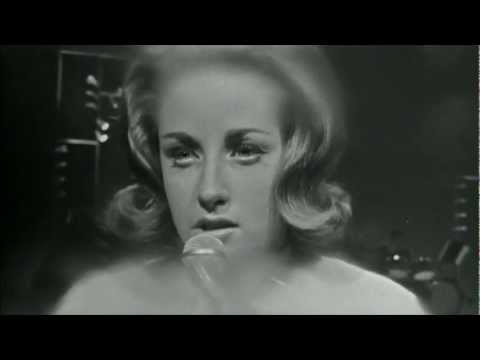



→ More from the 1960s File
View all 1960s hits →




Keep digging