The 1960s File Feature
See See Rider
See See Rider by LaVern Baker Picture the close of 1962, when one of the great voices of early rhythm and blues took on a song with roots reaching back to th…
01 The Story
"See See Rider" by LaVern Baker
Picture the close of 1962, when one of the great voices of early rhythm and blues took on a song with roots reaching back to the dawn of the blues itself. LaVern Baker was a powerhouse vocalist, one of the pioneering women of R&B whose hits had helped shape the sound of the 1950s and bridge the gap to rock and roll. Her version of "See See Rider," a classic blues standard, brought her commanding voice to a piece of American musical history.
A Pioneer of Rhythm and Blues
LaVern Baker was among the most important female artists of early rhythm and blues, a singer whose powerful, expressive voice carried a string of hits through the 1950s. She helped define the sound of R&B during a crucial period and influenced the development of rock and roll. A genuine trailblazer, she navigated a music industry that offered few opportunities to women of her talent and emerged as one of the era's most respected voices. By 1962 she was an established star with a distinguished body of work behind her.
A Blues Standard Reborn
"See See Rider," also known by variations of its title, is one of the oldest and most enduring songs in the blues tradition, recorded by countless artists over the decades. Baker's version brought her own fire and sophistication to the classic, updating it for the early-1960s R&B audience while honoring its deep roots. Her powerful delivery gave the time-worn song fresh energy and emotional weight. That ability to reinterpret a blues standard showcased her artistry and her connection to the music's rich history.
A Strong Chart Run
On the Billboard Hot 100, Baker's "See See Rider" performed well. It debuted at number 86 on December 1, 1962, then climbed steadily, reaching number 73, then 55, then 48 over successive weeks. The song continued to rise, reaching number 44 and eventually peaking at number 34 in early 1963. It spent a solid 11 weeks on the chart, a strong showing that confirmed Baker's enduring appeal and her skill at bringing a classic to a contemporary audience.
Part of a Trailblazing Legacy
LaVern Baker's contributions to American music were immense, and her recordings remain treasured by fans of early R&B. Her version of "See See Rider" is a fine example of her power and artistry, a classic song delivered by one of the genre's great voices. Her legacy as a rhythm and blues pioneer rests on a body of work that helped shape popular music. For lovers of vintage R&B and blues, her interpretation remains a powerful and rewarding listen.
The Living Blues Tradition
Baker's recording demonstrates how the blues tradition stayed alive by being constantly renewed. A song like "See See Rider" had passed through generations of performers, each adding their own interpretation while preserving its essential character. By recording it for an early-1960s audience, Baker connected contemporary listeners to a musical lineage stretching back decades, proving that the great blues standards were not relics but living material capable of fresh life in the right hands. Her version stands as a vital link in that long chain, a powerful testament to the enduring and timeless vitality of the blues. The history of American popular music is in many ways a history of such reinterpretations, of songs passing from one generation and one style to the next while retaining their essential power. Baker understood that tradition deeply, and her recording honors the artists who came before her even as it brings the song to a new audience.
Press play and hear a pioneering voice breathe new fire into a timeless and much-loved blues classic. Some songs only grow richer and deeper with each great new interpretation.
"See See Rider" — LaVern Baker's singular moment on the 1960s charts.
02 Song Meaning
The Meaning Behind "See See Rider"
"See See Rider" is one of the foundational songs of the blues tradition, a tale of love, betrayal, and heartache that has been passed down and reinterpreted for generations. At its heart, it addresses a lover who has done wrong, mixing sorrow, accusation, and a hard-won resolve. In LaVern Baker's powerful version, that ancient story gains fresh emotional force.
Love and Betrayal
The song speaks to a lover, often called the rider, who has been unfaithful or has caused pain. It confronts that betrayal directly, voicing the hurt and anger of someone wronged in love. That theme of romantic betrayal sits at the core of the song, capturing a painful but universal experience that the blues has always explored with unflinching honesty.
Sorrow and Resolve
Beyond the accusation runs a current of sorrow mixed with determination. The singer grieves the wrong done to them but also gathers a sense of resolve, a refusal to be destroyed by the betrayal. That blend of heartache and strength gives the song its emotional depth, capturing the way pain and resilience often coexist in the wake of a broken relationship.
The Blues as Catharsis
Like the best blues songs, "See See Rider" offers catharsis through the open expression of pain. By giving voice to heartache and betrayal, the song provides a kind of release, a way of facing difficult emotions head-on. That cathartic honesty is central to the blues tradition, which has always found strength and even beauty in confronting life's hardships directly.
A Song of the Ages
The song's endurance across generations speaks to the universality of its themes. Love and betrayal, sorrow and resilience, are experiences that never go out of date. That timeless emotional truth has allowed the song to be reinterpreted endlessly, each performer finding their own meaning in its ancient story while preserving its essential heart.
The Voice of Experience
Part of what gives the blues its power is the sense that the singer has truly lived the pain being described. The form does not deal in abstractions but in hard, specific experience, the kind earned through real hardship. When a singer of Baker's caliber takes on a song like this, she brings the weight of her own life and artistry to it, deepening its emotional truth. That quality of lived authenticity is essential to the blues, transforming a familiar story into something that feels immediate and personal, as if the heartache were unfolding in the very moment of performance.
Why It Resonates
The song connected because its themes are so deeply and universally felt. The pain of betrayal in love is something nearly everyone understands, and the blues gives that pain a powerful, honest voice. Carried by LaVern Baker's commanding delivery, the song lets listeners feel the full weight of its heartache and resolve. Its raw emotional truth, rooted in one of music's oldest traditions, is exactly what gives it such lasting power.
→ More from LaVern Baker
View all LaVern Baker hits →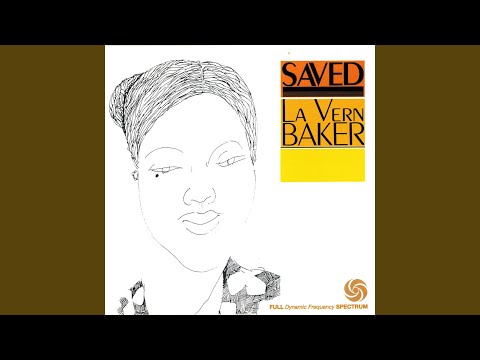

→ More from the 1960s File
View all 1960s hits →




Keep digging