The 1960s File Feature
Woman Like That, Yeah
Joe Tex Delivers Sermon and Soul on Woman Like That, Yeah By the summer of 1967, Joe Tex had already carved out one of soul music s most distinctive niches: …
01 The Story
Joe Tex Delivers Sermon and Soul on "Woman Like That, Yeah"
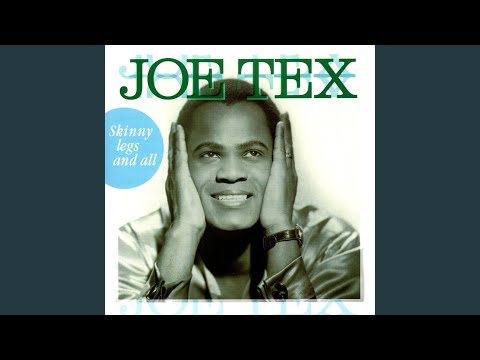
By the summer of 1967, Joe Tex had already carved out one of soul music's most distinctive niches: the talking bluesman, part preacher and part storyteller, who could turn a spoken aside into as much of a hook as any chorus. "Woman Like That, Yeah" arrived that June as another entry in his singular catalog, a record built on his signature blend of Southern soul groove and conversational, almost sermon-like vocal delivery.
A Southern Soul Original Hitting His Stride
Tex had spent much of the 1960s building a reputation as one of soul music's most idiosyncratic performers, working closely with producer Buddy Killen out of Nashville to craft records that stood apart from the polished Motown sound and the horn-heavy Stax style alike. His approach favored storytelling and direct address, often breaking into spoken passages mid-song, a technique that gave his records an intimacy and humor that set him apart from more straightforwardly sung soul of the period. By 1967, that formula had already produced several hits, and this single continued the pattern with real confidence.
Groove, Groan, and Direct Address
The track rides a loose, funky Southern soul groove, built around interlocking rhythm guitar and horns typical of the Nashville and Memphis session sound of the era. Tex's vocal moves fluidly between singing and speaking, addressing the listener almost like a friend sharing hard-won advice, a technique that made his records feel less like performances and more like conversations between old friends. That intimacy, paired with the band's tight, danceable groove, gave the song a warmth and immediacy that studio polish alone could not manufacture on its own.
A Solid Mid-Chart Performer
The single debuted on the Billboard Hot 100 on June 3, 1967 at number 85, holding that position the following week before climbing steadily through June. It reached its peak of number 54 on July 8, 1967, closing out a seven-week run on the chart. That climb, gradual but consistent, reflects the kind of accumulating regional radio support that Southern soul records of the period often built before crossing into wider national visibility, a pattern typical of Tex's catalog throughout the decade.
Part of a Singular, Underrated Catalog
Joe Tex's body of work remains one of soul music's most distinctive, and this single is a solid, representative entry from a stretch of his career when his talking-blues style was firing on all cylinders. Though he never quite reached the mainstream household-name status of some contemporaries, his influence on later soul and funk vocalists who adopted spoken-word passages is well documented by historians. The song stands as a reliable, groove-heavy example of exactly what made his catalog so beloved by soul purists.
Press play and let Tex talk his way into the groove, Southern soul storytelling at its most charmingly direct. The details still standing out to careful listeners decades later. It is the kind of small, telling fact that rewards a second listen. Contemporary radio listings from that stretch confirm just how competitive the format had become. Few records climbed that far without real, sustained listener demand behind them. That context matters when weighing the song against flashier hits from the same season. The details still standing out to careful listeners decades later. It is the kind of small, telling fact that rewards a second listen. Contemporary radio listings from that stretch confirm just how competitive the format had become. Few records climbed that far without real, sustained listener demand behind them. That context matters when weighing the song against flashier hits from the same season. The details still standing out to careful listeners decades later. It is the kind of small, telling fact that rewards a second listen. Contemporary radio listings from that stretch confirm just how competitive the format had become. Few records climbed that far without real, sustained listener demand behind them.
"Woman Like That, Yeah" — Joe Tex's singular moment on the 1960s charts.
02 Song Meaning
The Straight Talk Behind Joe Tex's "Woman Like That, Yeah"
Joe Tex built his career on directness, and "Woman Like That, Yeah" is a prime example of his gift for turning plainspoken observation into genuine soul music. Where many of his contemporaries reached for metaphor, Tex simply talked to the listener, and that honesty is the song's real engine throughout.
Appreciation as the Central Theme
At its core, the song is a tribute, a direct, unadorned expression of admiration for a woman whose qualities the narrator wants the whole world to recognize openly. Rather than building elaborate romantic imagery, Tex approaches the subject the way a friend might describe someone he genuinely respects, favoring plain, conversational praise over poetic flourish. That directness was itself part of his artistic signature, treating sincerity as more powerful than ornamentation ever could be.
The Talking-Blues Technique as Intimacy
Tex's tendency to slide between singing and speaking mid-song does real emotional work throughout the record. The spoken passages feel like asides shared in confidence, breaking the fourth wall of the recording and pulling the listener into a more personal, one-on-one exchange. That vocal technique became something of a signature across his catalog, and it gives even a relatively simple lyrical theme a sense of lived-in authenticity that a purely sung performance might not achieve on its own.
Southern Soul's Everyday Voice
Mid-1960s Southern soul often distinguished itself from its Northern, more polished counterparts by embracing rawness and directness, treating everyday speech patterns as legitimate material for popular song. Tex was among the genre's most committed practitioners of that approach, and this song's conversational tone reflects a broader regional aesthetic that valued authenticity and groove over studio gloss and orchestration.
Why It Still Resonates
The song endures because its central gesture, publicly and plainly appreciating someone, remains immediately relatable regardless of era or generation. There is nothing complicated to decode here, and that simplicity is precisely the point: sincere appreciation, delivered with warmth and groove, needs no elaborate metaphor to land with an audience. Listeners drawn to Tex's catalog often cite exactly this quality, his ability to make plainspoken sincerity feel like genuine artistry. That reading holds up the more closely the lyric is examined. It is a small choice, but it shapes how the whole song lands emotionally. Framed that way, the song feels less like a period piece and more like a lasting statement. Later listeners keep rediscovering that same emotional core for themselves. The plainness of that idea is exactly what gives it staying power. That reading holds up the more closely the lyric is examined. It is a small choice, but it shapes how the whole song lands emotionally. Framed that way, the song feels less like a period piece and more like a lasting statement.
→ More from Joe Tex
View all Joe Tex hits →



→ More from the 1960s File
View all 1960s hits →




Keep digging