The 1960s File Feature
Apples, Peaches, Pumpkin Pie
Apples, Peaches, Pumpkin Pie — Jay And The Techniques Hit the 1967 Top 10 The summer of 1967 was, for popular music, a season of extremes: on one end, the ps…
01 The Story
"Apples, Peaches, Pumpkin Pie" — Jay And The Techniques Hit the 1967 Top 10
The summer of 1967 was, for popular music, a season of extremes: on one end, the psychedelic experimentation and countercultural ambition of the Summer of Love, and on the other, a continuing tradition of danceable, accessible pop and soul that was making its own kind of summer history without apology or explanation. Jay and the Techniques, a multiracial group from Allentown, Pennsylvania led by Jay Proctor, belonged firmly to the second tradition, and "Apples, Peaches, Pumpkin Pie" was their vehicle to one of the more unexpectedly successful chart runs of that memorable year: a number-6 peak after entering at 98 and spending seventeen weeks on the Hot 100.
A Multiracial Group in a Segregated Industry
Jay and the Techniques were an integrated group in an era when the music industry's categories and radio formats were organized largely along racial lines, with R&B records and pop records inhabiting different commercial spaces and reaching different audiences. Jay Proctor, an African American singer, fronted a group that included both Black and white musicians, and their sound drew on both the R&B tradition and the more mainstream pop aesthetics that were associated with white acts of the period. This integration was itself a small commercial challenge, requiring the group to find a position in the mainstream pop market that would not push them into any single category's limitations.
The Sound of the Record
The song's playful, fruit-based imagery and its buoyant, upbeat arrangement placed it squarely in the Northern soul-influenced pop that was finding commercial audiences in the mid-to-late 1960s. The production is crisp, the horn section punchy, and Proctor's vocal performance delivers the good-natured, forward-moving energy of the lyric with the kind of genuine enthusiasm that sells a pop record's premise completely. The arrangement is economical and effective, nothing wasted, every element serving the goal of getting the listener to move and smile simultaneously. It is the work of people who understood exactly what the moment required and had the skill to deliver it.
Seventeen Weeks and a Peak at Number 6
"Apples, Peaches, Pumpkin Pie" debuted on the Billboard Hot 100 on July 15, 1967, entering at number 98. The climb that followed was patient but determined: from 98 to 96, then 83, 68, 47, continuing to rise week by week as radio play accumulated and the song found its audience. The single reached its peak of number 6 on September 23, 1967, and sustained its chart presence for seventeen weeks in total. For a group with no prior Hot 100 history, this was an extraordinary commercial debut: a top-10 finish and nearly four months of chart residency from a record that had entered at number 98.
Competition at the Peak of the Summer of Love
The Hot 100 in the summer and fall of 1967 was one of the most musically diverse charts in the era's history. Alongside the psychedelic material that has come to define the Summer of Love in historical retrospect were records by soul artists at the peak of their powers, Beatles tracks from what many consider their greatest album period, and pop records of every description competing for radio time and retail space. For Jay and the Techniques to reach number 6 in this environment was not simply a matter of charming song and capable production; it required genuine commercial appeal across the broad demographic that the Hot 100 served.
A One-Album Wonder That Delivered
Jay and the Techniques had a follow-up hit in "Keep the Ball Rollin'," which reached number 14 later in 1967, and then their commercial momentum faded as the music industry moved in directions that were less favorable to their particular combination of integrated pop-soul. But "Apples, Peaches, Pumpkin Pie" has outlasted its moment with remarkable resilience, appearing in films, television programs, and advertising campaigns that have introduced it to new audiences across the decades. The 162,000 YouTube views reflect both historical interest and genuine ongoing enjoyment of a record that holds up on its own terms.
If you need a record that will make you feel exactly like summer in 1967 felt, this is the one. Press play.
"Apples, Peaches, Pumpkin Pie" — Jay And The Techniques' singular moment on the 1960s charts.
02 Song Meaning
The Meaning Behind "Apples, Peaches, Pumpkin Pie" by Jay And The Techniques
Counting songs, songs built around the orderly enumeration of things, have a long history in popular music and folk tradition. The structure imposes a kind of forward momentum that is inherently compelling: the audience waits to hear what comes next in the sequence, and the resolution of the count provides a small satisfaction at the end. "Apples, Peaches, Pumpkin Pie" uses this structure in the service of a romantic declaration that is as playful and direct as its title: the narrator is ready, the moment has arrived, and the enumeration is a call to attention rather than a grocery list.
Playfulness as Romantic Strategy
The song's most distinctive quality is its commitment to playfulness as the primary vehicle for romantic expression. Rather than addressing the beloved with the conventional language of desire or devotion, the narrator uses the child's game of counting fruit to signal that a moment of romantic possibility has arrived. This indirection through play is its own kind of intimacy: it assumes a shared sense of humor, a willingness to be silly together, a comfort with each other that makes the nonsense counting feel like a private language rather than a public performance.
The Northern Soul Context
Jay and the Techniques' musical approach drew on the tradition of Northern soul that was finding its largest commercial audience in the mid-to-late 1960s: upbeat, danceable, optimistic in its emotional register, and organized around the kind of shared pleasure that the best dance music has always promised. This tradition prioritized the communal experience of the dancefloor over any single artist's individual expression, and songs like "Apples, Peaches, Pumpkin Pie" were vehicles for that communal pleasure rather than vehicles for personal confession. The meaning of the song is inseparable from the physical experience of dancing to it.
Readiness as the Song's Emotional Subject
Beneath the playful imagery, the song is about a specific emotional state: readiness. The narrator is declaring that a moment has come, that they are prepared for whatever the moment contains, and that the signal of that readiness is the playful, confident declaration of the song's hook. This posture of confident readiness, communicated through the most apparently unserious of vehicles, is itself a form of romantic sophistication. The person who can be playful about desire is someone who is comfortable with it, not anxious or hesitant, and that comfort is its own kind of attraction.
Integration and the 1967 Pop Mainstream
Jay and the Techniques' integrated composition was itself a small statement about what American popular culture could be at its most generous and inclusive. In 1967, multiracial groups occupying mainstream pop spaces were not a given; they required commercial success to sustain themselves, and commercial success required that their music speak to an audience that was itself crossing the boundaries that the industry had built. The song's infectious, accessible appeal helped create the conditions for the group's moment on the mainstream chart, demonstrating that the music was the argument and the music was sufficient.
The Enduring Joy of the Playful Record
"Apples, Peaches, Pumpkin Pie" has lasted because it delivers a specific and reliable pleasure: the pleasure of being in the presence of music that does not take itself too seriously while being very serious about the craft required to produce the feeling it aims for. That combination is rarer than it sounds, and when it appears as cleanly as it does here, it earns its longevity through genuine quality rather than mere nostalgia.
→ More from Jay And The Techniques
View all Jay And The Techniques hits →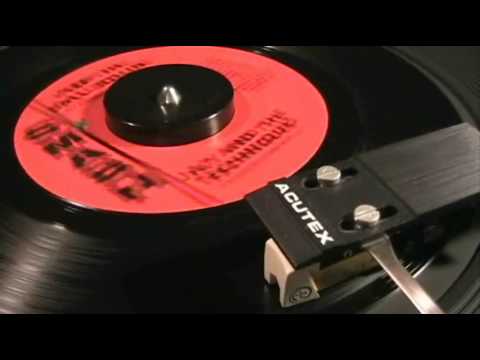

→ More from the 1960s File
View all 1960s hits →




Keep digging