The 1960s File Feature
The Little Old Lady (From Pasadena)
The Little Old Lady (From Pasadena) by Jan Dean Picture Southern California in the summer of 1964: convertibles gleaming in the sun, transistor radios blasti…
01 The Story
"The Little Old Lady (From Pasadena)" by Jan & Dean
Picture Southern California in the summer of 1964: convertibles gleaming in the sun, transistor radios blasting on the beach, and an entire youth culture built around the twin obsessions of surfing and souped-up cars. Into that golden, gasoline-scented world rolled one of the most gleefully absurd hot-rod anthems ever recorded, a song about an unlikely speed demon that captured the playful spirit of the California sound at its commercial peak. It was silly, it was infectious, and it shot up the charts on a wave of pure summer fun.
Kings of the California Sound
By 1964, Jan Berry and Dean Torrence were among the biggest names in the surf and hot-rod craze that had swept American pop. The duo had ridden the same wave that powered their friends and friendly rivals in the genre, scoring a run of bright, harmony-drenched hits about beaches, girls, and fast cars. Their previous smashes had established a winning formula: tight vocal harmonies, driving rhythms, and lyrics that celebrated the carefree teenage paradise of the California coast. They were perfectly positioned to deliver another slice of that sun-soaked fantasy, and this song fit the mold to perfection.
A Joke That Became a Smash
The song's premise is a comic one, built around a sweet little old lady who, against all expectation, drives like a maniac in a fearsomely fast car. The conceit is pure novelty, a wink at the car culture of the day, and the duo sold it with their signature buoyant harmonies and an arrangement packed with revving energy. The track belongs to the broader hot-rod movement that briefly dominated American pop, where songs about specific cars and drag races filled the airwaves. This one stood out for its humor and its irresistible hook, turning a throwaway joke into one of the most memorable singles of the season.
A Rocket to the Top Five
The single proved an immediate sensation on the Billboard Hot 100. It debuted at number 60 on June 27, 1964, then exploded upward with stunning speed, leaping more than thirty places in a single week. Within a month it had stormed into the upper reaches of the chart. The song reached its peak position of number 3 on August 1, 1964, and in total it spent 11 weeks on the Hot 100. That rapid ascent reflected just how perfectly the record captured the mood of the moment, a summer anthem that radio could not get enough of. For a song built on a comic gimmick, a top three placement was a remarkable commercial triumph.
A Snapshot of a Vanishing World
The hot-rod and surf craze would soon be swept aside by the British Invasion and the heavier sounds that followed, making songs like this one precious artifacts of a particular American moment. This single endures as one of the genre's most beloved and best-remembered entries, a perfect distillation of the innocent, car-crazy fun that defined early-1960s teen pop. The video has gathered around 1.9 million YouTube views, keeping the duo's sunny harmonies alive for listeners curious about the sound of that vanished summer. It remains impossible to hear without smiling.
The Genius of the Harmony Sound
What separated Jan & Dean from countless other novelty acts of the era was the sophistication hiding inside their fun. The vocal harmonies on this record are intricate and beautifully arranged, layered with the kind of care that elevated the song far above its comic premise. That blend of craftsmanship and silliness was the secret of the California sound at its best, a music that could be both technically impressive and completely lighthearted. The duo understood that a great pop record needed a hook the listener could not shake, and this one delivered that in abundance. The interplay of voices, the driving rhythm, and the gleeful subject matter combined into something far more durable than a passing gimmick. It is a small masterpiece of pop construction disguised as a joke, which is exactly why it has outlasted so much of the music around it.
Press Play
Roll the windows down, turn it up, and let those bright harmonies and revving guitars transport you straight to a California beach in 1964. Few songs capture the carefree joy of that moment quite so completely.
"The Little Old Lady (From Pasadena)" — Jan & Dean's singular moment on the 1960s charts.
02 Song Meaning
The Meaning Behind "The Little Old Lady (From Pasadena)"
This is a song built entirely on a comic surprise, and its meaning lives in the joke at its center. The premise turns expectations upside down by imagining a sweet, frail little old lady who is secretly a fearless speed demon behind the wheel of a powerful car. The humor comes from that contradiction, and the song mines it for all it is worth, delivering a lighthearted celebration of an unlikely hero of the hot-rod world.
The Joy of Subverted Expectations
The entire song hinges on a single delicious irony. The image of a tiny, elderly woman terrorizing the streets in a supercharged car turns every stereotype on its head, and that reversal is the source of all the fun. We expect such a figure to be cautious and slow; instead she leaves the young hot-rodders in her dust. The comedy is gentle and affectionate rather than mean, inviting listeners to root for this improbable champion. It is the kind of joke that never quite gets old because the surprise is baked into the very idea.
A Love Letter to Car Culture
Beneath the humor, the song is a genuine celebration of the hot-rod obsession that gripped American youth. The lyric revels in the details of speed and horsepower, the language of a culture that worshipped fast cars and the freedom they represented. The little old lady becomes an unlikely vessel for that enthusiasm, her wild driving an excuse to celebrate everything teenagers loved about automobiles. The song speaks the native tongue of a generation that measured cool in engine power and quarter-mile times.
Innocence and Fun
What defines the song's spirit above all is its sheer innocence. There is no edge here, no rebellion or danger, only pure good-natured fun. It belongs to a moment in pop when songs could be built around a simple, harmless joke and ride that joke all the way up the charts. The cheerful harmonies and bouncing rhythm reinforce that sense of lightness, making the whole thing feel like a sunny afternoon set to music.
Why It Connected
The song resonated because it captured the carefree mood of its time so perfectly. Listeners responded to its humor, its energy, and its celebration of a beloved cultural pastime, finding in it an irresistible burst of summer joy. It asked nothing of its audience except a willingness to laugh and tap along, and that simplicity was its strength. In a season made for fun, here was a song that delivered exactly that.
In the end, the song endures because it commits so fully to a single funny idea and wraps it in some of the brightest harmonies of the era. It is pure pop delight, and it has never pretended to be anything more.
→ More from Jan & Dean
View all Jan & Dean hits →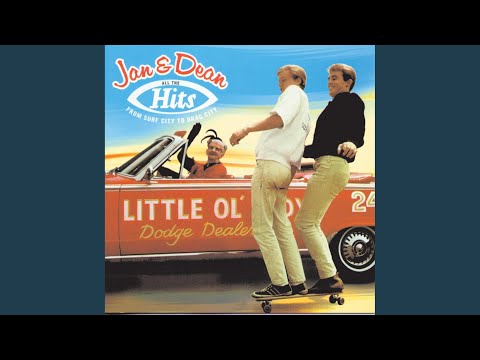


→ More from the 1960s File
View all 1960s hits →




Keep digging