The 1960s File Feature
Lost Someone
The Slow-Burning Soul of Lost Someone by James Brown And The Famous Flames Step into the closing weeks of 1961, when a force of nature was reshaping American…
01 The Story
The Slow-Burning Soul of "Lost Someone" by James Brown And The Famous Flames
Step into the closing weeks of 1961, when a force of nature was reshaping American music from the stage up. Night after night, in theaters and clubs across the country, James Brown was perfecting a kind of performance that left audiences drenched in sweat and emotion. He was building something entirely new, a fusion of gospel intensity and raw rhythmic power that would soon be called soul. This aching ballad captured that volcanic emotional energy in slow motion, a showcase for one of the most electrifying performers who ever lived.
The Hardest Working Man Rising
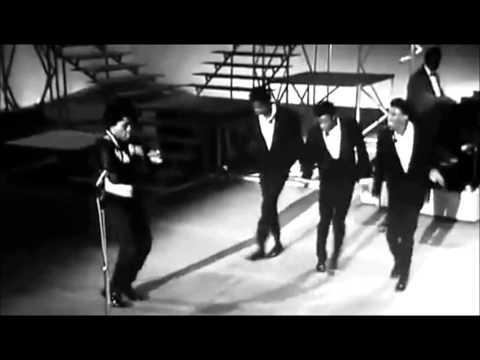
By late 1961 James Brown was on his way to becoming a legend, though his greatest commercial breakthroughs still lay ahead. He performed alongside his vocal group The Famous Flames, the unit that had helped him develop his explosive stage act and his deeply emotional approach to singing. Brown was famous for his relentless work ethic and his command of an audience, drawing on the call-and-response traditions of the Black church and channeling them into secular performance. This recording belongs to that formative period, when he was laying the groundwork for the soul revolution he would soon lead. His reputation was built on stage, and songs like this one translated that raw live power onto record.
A Masterclass in Emotional Tension
The recording is a slow, smoldering ballad that builds and releases emotional tension with extraordinary control. Brown delivers it with the pleading intensity of a man pouring out his grief, his voice rising from tender vulnerability to anguished cries. The arrangement gives him room to work the song like a preacher works a congregation, repeating, building, and releasing. There is a remarkable sense of patience and dynamics here, the feeling of a performance that could go anywhere. It captures the dramatic, improvisatory quality that made his live shows so legendary, the sound of an artist completely inhabiting his emotion.
A Steady Climb Up the Hot 100
The chart story reflects the song's gradual, word-of-mouth appeal. The single debuted at number 96 on the Billboard Hot 100 dated December 18, 1961, entering at the very bottom. It climbed slowly through the winter, rising to number 90, then number 86, then number 73, then number 71 as its audience grew. The record ultimately peaked at number 48 during the week of February 24, 1962. The song spent twelve weeks on the Billboard Hot 100, a respectable run that reflected Brown's growing popularity even before his most explosive crossover successes transformed him into a household name across America.
A Building Block of the Soul Revolution
This song occupies an important place in the early development of James Brown's artistry and of soul music itself. It captures the emotional depth and dynamic control that would define his greatest work, a preview of the genius that was about to reshape popular music. For students of soul, it offers a window into the moment before Brown's full breakthrough, when he was perfecting the tools that would make him the Godfather of Soul. The track stands as a powerful early statement from an artist who was about to change everything.
The Stage as a Laboratory
To appreciate this recording fully, you have to understand how central live performance was to James Brown's genius. He was, above all, a stage animal, an artist who developed his ideas in front of audiences night after night before committing them to record. The dynamics, the dramatic pauses, the way he could take a single emotional idea and stretch it to extraordinary lengths, all of this was honed in the crucible of live performance. A ballad like this was less a fixed composition than a framework for that kind of emotional exploration, a vehicle for the call-and-response interplay and the slow-building intensity that defined his act. The studio version captures a controlled glimpse of what he could do, but anyone who experienced his concerts knew that a song like this could expand into something epic on stage, a marathon of feeling that left audiences spent and transformed. This restless commitment to the live experience was the engine of his entire career, the place where the soul revolution he led was forged. The recording stands as a snapshot of that genius in development, a document of an artist who treated every performance as a chance to push his music somewhere new.
Cue it up, let Brown's voice carry you through every rise and fall, and feel a legend at work. Press play and surrender to the emotion.
"Lost Someone" — James Brown And The Famous Flames's singular moment on the 1960s charts.
02 Song Meaning
Inside the Meaning of "Lost Someone" by James Brown And The Famous Flames
This is a song about heartbreak rendered with raw, almost overwhelming emotional honesty. It explores the anguish of losing a loved one and the desperate longing to get them back, but its real power lies in how it is performed. James Brown turns grief into a kind of public testimony, pouring out his pain with the intensity of a man laid completely bare.
The Anguish of Loss
The lyrics dwell on the pain of separation and the yearning to be reunited with someone who has gone. The central theme is the raw heartbreak of losing love, expressed not through clever wordplay but through sheer emotional force. Brown sings as a man undone by his sorrow, pleading and searching, refusing to accept the loss. The simplicity of the sentiment is essential to its power, leaving space for the performance to convey depths of feeling that words alone could never reach.
Emotion as the Message
The artistic message here lives in the delivery rather than the lyrics. The song transforms personal grief into a cathartic, almost spiritual performance, drawing on the emotional vocabulary of gospel. Brown works the song dynamically, building tension and releasing it, repeating phrases until they take on the weight of prayer. This approach turns a simple lament into an overwhelming emotional experience. The meaning is felt in the body and the heart, communicated through the rise and fall of one of the most expressive voices in music.
The Birth of Soul
The song arrived at a pivotal moment in American music, as gospel fervor was crossing into secular pop to create soul. It reflects the emotional intensity and church-rooted passion that defined the emerging genre. Brown was among the chief architects of this revolution, bringing the rawness of the Black church into popular song. The track embodies that fusion, channeling sacred emotional power into a story of earthly heartbreak, a hallmark of the soul music that was about to sweep the nation.
Why It Resonated
The song connected because it expressed a universal pain with rare and uncompromising honesty. Anyone who has lost someone they loved recognized the anguish in Brown's voice, the desperate refusal to let go. By performing grief so openly and powerfully, he gave listeners permission to feel their own, offering a kind of shared catharsis. The combination of a simple, relatable theme and an extraordinary performance is why the song struck such a deep chord and why it remains a powerful document of soul's emotional birth. The ache of losing someone and longing for their return is among the most universal of human feelings, and Brown gave it a voice so raw and unguarded that listeners could not help but feel it in their own hearts.
→ More from James Brown And The Famous Flames
View all James Brown And The Famous Flames hits →

→ More from the 1960s File
View all 1960s hits →




Keep digging