The 1960s File Feature
I Don't Mind
I Don't Mind by James Brown And The Famous Flames Picture the early 1960s, when a dynamic young performer was transforming rhythm and blues with his explosiv…
01 The Story
"I Don't Mind" by James Brown And The Famous Flames
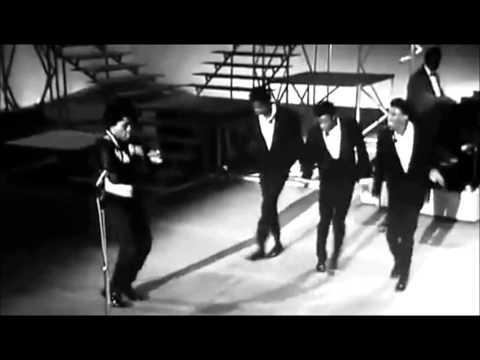
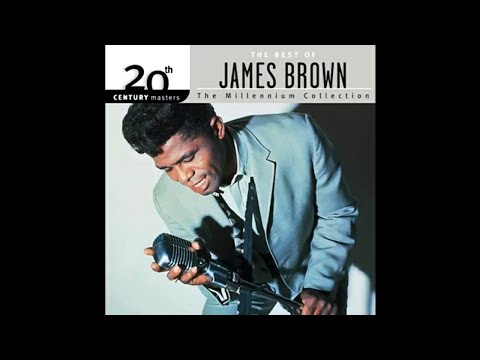
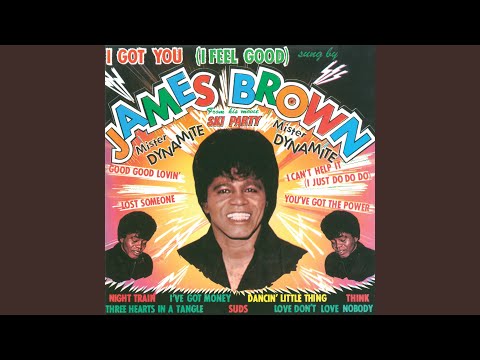
Picture the early 1960s, when a dynamic young performer was transforming rhythm and blues with his explosive energy and unmatched showmanship. James Brown, fronting the Famous Flames, was on his way to becoming the Godfather of Soul, an artist whose revolutionary approach would change popular music forever. "I Don't Mind" came during this rising period, a soulful, emotional number that showcased Brown's incredible vocal power and the tight, dynamic sound of his group.
The Rise of a Legend
James Brown was in the midst of an extraordinary rise in the early 1960s, building toward his eventual status as one of the most influential figures in all of popular music. Fronting the Famous Flames, he was developing the explosive energy, dynamic showmanship, and revolutionary approach to rhythm that would make him a legend. His performances were already electrifying, full of raw emotion and incredible intensity. "I Don't Mind" came during this formative period, showcasing the vocal power and soulful feeling that defined his early work. His revolutionary approach to soul was already evident in recordings like this one.
A Soulful, Emotional Number
"I Don't Mind" was a heartfelt soul number, built around Brown's powerful, emotional vocal delivery. The song showcased his incredible range, from tender expression to explosive intensity, supported by the tight, dynamic playing of the Famous Flames. The arrangement carried the soulful, gospel-influenced sound that defined Brown's early work, providing a fitting backdrop for his commanding voice. That powerful, emotional delivery was the song's calling card, a showcase for the incredible talent that would soon revolutionize music.
A Solid Chart Run
On the Billboard Hot 100, "I Don't Mind" performed respectably. It debuted at number 85 on May 15, 1961, then climbed steadily, reaching number 77, then 69, then 61 over successive weeks. The song continued to rise, reaching its peak of number 47 on June 26, 1961, and spent eight weeks on the chart. The showing reflected Brown's growing popularity during this rising period of his career, as he built toward the revolutionary success that would soon follow.
Part of a Revolutionary Legacy
James Brown's legacy is one of the greatest and most influential in all of popular music, his innovations shaping soul, funk, and beyond. "I Don't Mind" is a fine example of his early soul style, showcasing the vocal power and emotional intensity that defined his work. His status as the Godfather of Soul rests on a body of revolutionary music. For lovers of soul and of Brown's incredible talent, the song offers a fascinating glimpse of a legend in the making.
The Birth of a Sound
The song captures James Brown at a pivotal moment, as he was developing the revolutionary approach to rhythm and performance that would transform popular music. In the years that followed, Brown would pioneer the funk sound, emphasizing rhythm and groove in ways that influenced countless artists across genres. The energy, intensity, and dynamic showmanship evident in his early work like "I Don't Mind" were the seeds of that revolution. The song stands as a document of a genius in his formative years, building toward innovations that would reshape soul, funk, hip-hop, and the entire landscape of popular music for decades to come. Few artists in history can claim to have invented an entire genre, yet Brown's contributions to the development of funk place him in that rare company. The discipline, energy, and rhythmic innovation he brought to his music set new standards for what soul could be, and his influence echoes through countless artists who followed. Hearing his early work, one can sense the extraordinary force of will and talent that would soon transform American music.
Press play and hear the incredible power of a true legend in the making. Some artists change music forever.
"I Don't Mind" — James Brown And The Famous Flames' singular moment on the 1960s charts.
02 Song Meaning
The Meaning Behind "I Don't Mind"
"I Don't Mind" is a soulful expression of devotion and acceptance in love, a song about being willing to endure hardship and sacrifice for the sake of a beloved. Its meaning lies in its heartfelt declaration of love so deep that the singer does not mind the pain or difficulty it may bring. It is a song about devotion, sacrifice, and the willingness to suffer for love.
Devotion Despite Pain
At its heart, the song expresses a love so deep that the singer is willing to endure pain and hardship for it. That devotion despite suffering is the core of the song, capturing the depth of commitment that says it does not mind the difficulties love may bring. It is a powerful and moving expression of unconditional, sacrificing love.
Acceptance and Sacrifice
The song conveys a spirit of acceptance, a willingness to take whatever love brings, including hardship and sacrifice. That acceptance of love's costs gives the song its emotional weight, suggesting that genuine love is worth any price. It celebrates the selfless devotion that puts the beloved above one's own comfort.
The Depth of Feeling
Running through the song is a profound depth of feeling, the intense emotion that drives the singer's willingness to endure. That emotional intensity gives the song its power, conveyed through James Brown's incredible vocal delivery. The depth of the singer's love is matched by the depth of his commitment to bearing whatever it requires.
Soulful Expression
The song's meaning is amplified by Brown's powerful, soulful delivery, which brings raw emotion to the declaration of devotion. That soulful expression is central to the song's impact, conveying the intensity of the singer's love through his commanding, emotional voice. The performance embodies the depth of feeling the lyrics describe.
Love Worth Any Price
Implicit in the song is the idea that true love is worth any sacrifice, any pain or difficulty. That belief in love's supreme value gives the song its meaning, presenting devotion as something so important that no cost is too high. It honors the kind of love that endures through hardship and asks nothing in return.
Why It Resonated
The song connected because its expression of devoted, sacrificing love speaks to a universal ideal. Everyone admires and longs for love so deep that it endures any hardship. Its heartfelt declaration of devotion despite pain, delivered with James Brown's incredible soul, spoke to that ideal. The song captured the depth and selflessness of a true and abiding love with raw emotional power, and that soulful expression of unconditional devotion, carried by one of music's greatest voices, is exactly what gave it its lasting appeal among soul listeners everywhere.
→ More from James Brown And The Famous Flames
View all James Brown And The Famous Flames hits →

→ More from the 1960s File
View all 1960s hits →




Keep digging