The 1960s File Feature
I Can't Stand Myself (When You Touch Me)
The Story of I Can't Stand Myself (When You Touch Me) by James Brown And The Famous Flames Imagine the very end of 1967, a moment when American music was bei…
01 The Story
The Story of "I Can't Stand Myself (When You Touch Me)" by James Brown And The Famous Flames
Imagine the very end of 1967, a moment when American music was being rewired by a man from Georgia who had decided that the groove was everything. James Brown was in the midst of inventing funk, stripping soul down to its rhythmic essentials and building songs around the beat itself. With "I Can't Stand Myself (When You Touch Me)", he delivered another raw, hypnotic statement of that revolution, a song that pulsed with the relentless, percussive energy that would change popular music forever.
The Godfather Inventing Funk
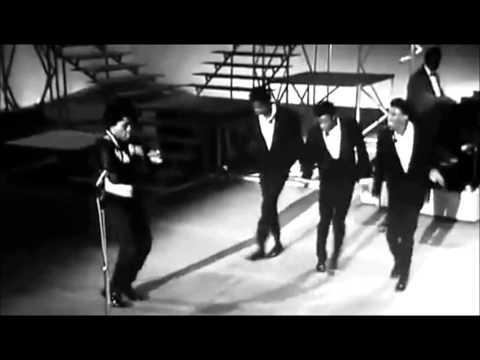
By late 1967 James Brown was already a towering figure, but he was also in the middle of his most radical and influential period. He was pioneering the funk sound, a style built on tight, interlocking rhythms, sharp horn stabs, and a vocal delivery that functioned as much like a percussion instrument as a melody. Backed by The Famous Flames and his ferociously disciplined band, Brown was reshaping what a song could be, prioritizing the one and the groove above all else. He was the hardest-working man in show business, and it showed.
The Sound of Raw Energy
The recording is a study in controlled intensity. Built on a churning, insistent rhythm, it captures Brown at his most electric, his voice gripping and urgent over a band locked into an unrelenting pocket. The arrangement is lean and powerful, every element serving the groove. There is a raw, almost frantic energy to the performance, the sound of a man and a band pushing rhythm to its limits. It is funk in its formative, explosive stage, primal and irresistible.
The Discipline Behind the Frenzy
What is easy to miss beneath the song's wild energy is the iron discipline that made it possible. James Brown ran his band with a famously exacting hand, demanding precision from every player and fining musicians for missed notes or sloppy timing. That ferocious attention to detail was the secret ingredient of the funk he was inventing, because a groove this tight cannot survive even small lapses. Every instrument had to lock into its exact place and stay there, serving the rhythm above all else. The apparent looseness and abandon of the music was in fact the product of relentless rehearsal and total control. This paradox sits at the heart of Brown's genius, the way he could make something so disciplined sound so free and explosive. The result was a band that functioned like a single living instrument, and recordings like this one capture that machine at full power.
A Strong Run on the Hot 100
The single performed solidly on the Billboard Hot 100. It debuted at number 85 on December 9, 1967, and climbed steadily through the holiday season, advancing to 72, 55, 37, and 33 as it gathered momentum into the new year. That ascent carried it to a peak of number 28 on January 20, 1968. The song spent nine weeks on the chart, a respectable showing that reflected Brown's enormous popularity and the growing appetite for his revolutionary new sound.
A Building Block of Funk
Within the larger story of James Brown's career, this song stands as one of many crucial building blocks in the creation of funk. It was during this stretch that he laid down the rhythmic blueprint that countless artists would follow, influencing soul, hip-hop, and dance music for generations. The track demonstrates his relentless drive to push music forward, never content to repeat himself, always chasing the next evolution of the groove he was inventing in real time.
An Electrifying Time Capsule
Today the song endures as a powerful example of James Brown at the dawn of funk, a raw and thrilling document of musical revolution in progress. Its relentless energy keeps it exciting decades later. Press play and feel the force of the Godfather of Soul and his band locking into a groove that would reshape music history; this is the sound of funk being born, primal and unstoppable.
"I Can't Stand Myself (When You Touch Me)" — James Brown And The Famous Flames' singular moment on the 1960s charts.
02 Song Meaning
The Meaning Behind "I Can't Stand Myself (When You Touch Me)"
Beneath its driving funk groove, "I Can't Stand Myself (When You Touch Me)" explores the overwhelming, almost dizzying power of physical attraction and desire. The title captures a striking idea: that a lover's touch can make the narrator lose control of himself entirely. Its meaning lies in the intensity of passion so strong it borders on helplessness.
The Overwhelming Power of Touch
The central theme is the loss of control that desire can produce. The narrator describes being so affected by his lover's touch that he can hardly contain himself, his composure dissolving in the heat of the moment. That overpowering passion drives the lyric, capturing the way intense attraction can make a person feel almost beside themselves. It is desire pushed to an extreme, expressed with raw urgency and abandon.
Vulnerability in Desire
There is a kind of vulnerability hidden within the song's intensity. To admit that someone's touch makes you lose control is to acknowledge a powerful dependence, a surrender to feeling. That admission of helplessness gives the song an emotional edge beneath its physical energy. The narrator is not in command of his own reactions, and the song revels in that thrilling loss of control rather than resisting it.
The Body as Expression
The song's meaning is inseparable from its sound. The relentless, percussive groove embodies the physical intensity the lyric describes, so that the music itself enacts the feeling of being overwhelmed. James Brown's vocal, urgent and gripping, becomes another expression of that desire. The rhythmic force of the recording makes the passion tangible, turning the song into a full-body experience of attraction. You do not simply hear the desire the lyric describes; the relentless pulse of the music makes you feel it in your own body, which is exactly the point.
Why It Resonated
Listeners connected with the song because its central feeling is so universal and so vividly captured. The overwhelming pull of physical attraction is something nearly everyone has experienced, and the song expresses it with thrilling honesty. Delivered over Brown's revolutionary funk groove, the emotion felt electric and immediate. The song gave audiences a way to feel and move to the very intensity it described.
A Primal Celebration of Desire
In the end, the meaning of the song lies in its raw celebration of passion and the power it holds over us. It captures the dizzying, helpless feeling of being consumed by desire, expressing it through both word and groove. That primal honesty, delivered with James Brown's revolutionary energy, is what makes the song such a thrilling and enduring statement of human attraction. Brown understood that desire is as much a physical experience as an emotional one, and he built a sound capable of expressing both at once. The result is a record that does not merely talk about passion but embodies it, the groove itself becoming an irresistible argument for the power of the body and the beat.
→ More from James Brown And The Famous Flames
View all James Brown And The Famous Flames hits →

→ More from the 1960s File
View all 1960s hits →




Keep digging