The 1960s File Feature
Lollipops And Roses
Lollipops And Roses: Jack Jones and the Last Golden Age of the Pop Crooner In the early 1960s, just before rock and roll fully seized control of American pop…
01 The Story
Lollipops And Roses: Jack Jones and the Last Golden Age of the Pop Crooner
In the early 1960s, just before rock and roll fully seized control of American popular music, a generation of polished, technically gifted vocalists still commanded significant radio real estate, singers who had inherited the mantle of the great mid-century crooners and were determined to keep that tradition alive against long odds and changing tastes. Jack Jones, the son of film actor and singer Allan Jones, built his early career squarely within that established lineage, and his 1962 recording of Lollipops And Roses became one of the defining vehicles of his rise, a song that would go on to earn him a Grammy Award for Best Vocal Performance, Male, and secure his reputation for years to come as one of the format's finest working interpreters. That early recognition would help define the trajectory of a career built on craftsmanship rather than novelty or fleeting trend-chasing.
A Vocalist Born Into the Tradition
Jones grew up immersed in the entertainment industry from a very early age, surrounded by the professional standards and expectations that came with his father's own long, celebrated career on stage and screen, and by the early 1960s he had already established himself as a gifted interpreter of the Great American Songbook style, favoring lush orchestral arrangements and technically precise vocal delivery over the raw, untamed energy of contemporary rock and roll acts. Lollipops And Roses, written by Tony Velona, gave Jones material perfectly suited to his sophisticated, romantic vocal approach, a song built specifically to showcase controlled phrasing and warm tonal richness in equal measure across every carefully arranged verse and bridge.
Orchestral Elegance in a Changing Landscape
The recording leaned into the lush, string-laden orchestration typical of early-1960s adult pop, a sound aimed squarely at listeners who preferred sophistication and romantic sentiment over the harder-edged sounds beginning to reshape the broader pop landscape around them at the dawn of a turbulent new decade. That production choice reflected both Jones's own considerable artistic sensibility and the enduring commercial appetite for polished, orchestral vocal pop even as rock and roll continued its steady, unstoppable rise toward total dominance of the American charts and airwaves in the years ahead.
A Steady Climb Up the Chart
The single entered the Billboard Hot 100 on March 3, 1962, at number 99, and climbed consistently over the following weeks of sustained, patient airplay across adult-oriented radio stations nationwide, gaining ground slowly but steadily. It ultimately reached its peak position of number 66 on April 7, 1962, across a run of eight weeks on the chart in total, a genuinely strong showing for material this far outside the rock and roll mainstream. That steady ascent reflected the kind of durable adult-pop radio support Jones commanded during this particular period of his career, an audience loyal to the vocal tradition he represented even as younger listeners increasingly gravitated toward markedly different sounds and altogether different stars.
A Grammy-Winning Legacy
The song's recognition at the Grammy Awards cemented its place as one of Jones's signature early recordings, an honor that validated his standing among the era's most respected vocal interpreters at the time among his peers and critics alike. That award, paired with his broader body of work across the decade, helped establish Jones as one of the last great standard-bearers of a vocal pop tradition that would soon find itself pushed toward the margins of the mainstream charts by the British Invasion and the rock acts that followed close behind within just a few short years, reshaping the entire industry.
Press play and hear the kind of orchestral warmth that earned a young crooner his first major industry recognition.
"Lollipops And Roses" — Jack Jones's singular moment on the 1960s charts.
02 Song Meaning
The Meaning Behind Jack Jones's "Lollipops And Roses"
Lollipops And Roses uses its title's playful, almost childlike imagery to draw a clear, deliberate distinction between innocent, uncomplicated forms of affection and the deeper, more consuming devotion the narrator feels for the person he genuinely and completely loves. The song builds its argument through contrast, measuring ordinary sweetness against something far more profound and singular in the narrator's own life and experience.
Innocence as a Measuring Stick
By invoking lollipops and roses, simple, universally understood tokens of casual, everyday affection, the song establishes a baseline of ordinary sweetness before insisting, quite plainly and directly, that what the narrator feels transcends anything so simple or fleeting in nature or duration whatsoever. That rhetorical strategy, using small, familiar images to set up a grander, more sweeping emotional claim, was a hallmark of Great American Songbook-style writing, favoring elegant contrast over blunt declaration of feeling at every turn of phrase and every single carefully chosen word throughout.
Romantic Sincerity Through Orchestral Warmth
Jones's controlled, warm vocal delivery, supported throughout by lush orchestration, reinforces the song's underlying sincerity, treating romantic devotion as something worthy of real grandeur rather than casual, offhand expression best left unsaid or entirely understated. That combination of intimate lyrical content and expansive, sweeping musical arrangement was characteristic of the adult pop tradition Jones represented so well, one that saw no real contradiction whatsoever between grand orchestral scale and deeply personal, even confessional, feeling laid entirely bare.
A Song for a Fading but Devoted Audience
Arriving just as rock and roll began reshaping the broader pop landscape entirely and permanently, the song's old-fashioned romantic sincerity offered genuine comfort and lasting familiarity to listeners who preferred sophistication over raw, untamed energy on the radio dial each and every single evening after a long day of work. Its lasting popularity, and its eventual Grammy recognition, demonstrated clearly that a substantial, devoted audience still valued this style of vocal pop even as the broader marketplace shifted rapidly all around it and toward louder guitars and younger, brasher faces entirely.
Why the Sentiment Endures
Stripped entirely of its era-specific orchestration and period trappings, the song's underlying message, that genuine love exceeds even the sweetest, most familiar romantic gestures, remains simple and universally relatable across generations of listeners who discover it fresh each time. That timeless emotional core, delivered with genuine, hard-earned vocal craft, explains why the song continued to resonate with listeners and industry voters alike for years and years afterward, securing its lasting place in Jones's legacy well beyond its own modest chart performance decades ago, long before streaming or digital radio ever existed to carry it forward.
→ More from Jack Jones
View all Jack Jones hits →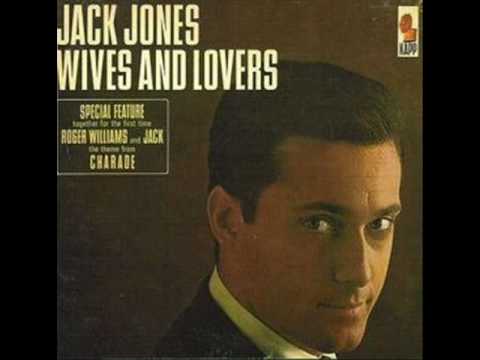

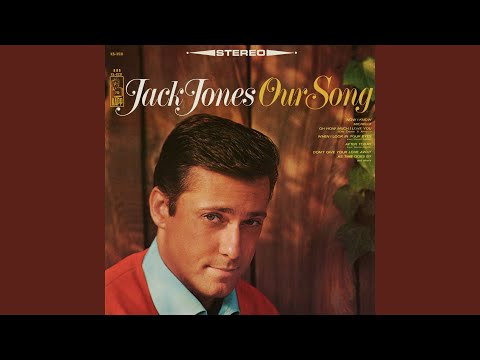


→ More from the 1960s File
View all 1960s hits →




Keep digging