The 1960s File Feature
Wish Someone Would Care
"Wish Someone Would Care" — Irma Thomas and the Sound of New Orleans Soul The Soul Queen Before the Crown Was Official New Orleans in the early 1960s was one…
01 The Story
"Wish Someone Would Care" — Irma Thomas and the Sound of New Orleans Soul
The Soul Queen Before the Crown Was Official
New Orleans in the early 1960s was one of the most musically fertile cities in America, a place where rhythm and blues, gospel, jazz, and the emerging soul idiom collided daily in recording studios and live venues with an intensity that produced some of the decade's most enduring recordings. Into that environment Irma Thomas had stepped as a teenager, an astonishing natural voice that seemed to understand intuitively the emotional architecture of soul music before the genre had fully named itself. By 1964, when "Wish Someone Would Care" entered the national conversation, she was already considered a formidable talent within the New Orleans music community, but the Hot 100 chart run that followed represented something new: proof that her gifts translated to a national audience.
Thomas had been recording for several years before her breakthrough, working within the New Orleans system that produced so many remarkable artists during this period. Her voice occupied a specific emotional register, raw and aching at full power but capable of devastating restraint when the song demanded it. She had developed her craft performing in the city's clubs and dance halls, building a command of timing and dynamics that studio recording alone could not have taught.
The Recording and Its Sound
"Wish Someone Would Care" was released on Imperial Records, the storied New Orleans label that had also been home to Fats Domino and was itself a central institution in the city's recording culture. The production drew on the New Orleans rhythm and blues tradition while incorporating the lush orchestral textures that soul music was developing in the early 1960s, a combination that gave the track both local character and national accessibility. The arrangement places Thomas's voice at the absolute centre, supported by a rhythm section and string overlay that amplifies the song's emotional urgency without overwhelming its intimacy.
The lyrical premise is one of the most elemental in all of soul music: a woman longing for love and tenderness, asking, with a kind of painful directness, why the care and affection she needs seems so unavailable. Thomas did not approach that premise as a performer; she inhabited it, delivering a vocal that felt less like a performance than a testimony. The result was a recording that achieved genuine emotional authenticity in a period when authenticity was the soul genre's most prized and most frequently counterfeited quality.
The Chart Story
"Wish Someone Would Care" debuted on the Billboard Hot 100 on March 28, 1964, entering at position 90. The climb that followed was one of the most impressive ascents of her career, driven by radio play across both R&B and pop formats. The track reached its peak position of number 17 on May 16, 1964, spending 12 weeks in total on the Hot 100. For a Black female artist from New Orleans in 1964, cracking the pop top twenty was a genuine achievement in a commercial environment that still operated with significant informal segregation between R&B and pop radio.
The spring of 1964 was, of course, dominated in significant part by the British Invasion, with the Beatles and their contemporaries reshaping the entire landscape of American pop radio within weeks. That "Wish Someone Would Care" reached number 17 in that specific competitive environment speaks to the undeniable power of Thomas's vocal and the track's emotional resonance with listeners who were encountering an entirely new kind of pop music from across the Atlantic.
Soul Music and the Civil Rights Moment
The context in which "Wish Someone Would Care" arrived is inseparable from the broader historical moment. In the spring of 1964, the Civil Rights Act was working its way toward passage, and the emotional world of soul music, with its themes of longing, dignity, and the desire for basic human care, was freighted with meaning that extended far beyond romantic relationships. Thomas herself was a product of the Black New Orleans community, and her voice carried the full weight of that community's experience without ever reducing her art to mere sociology. The personal and the political existed in the same sonic space.
A Legacy That Outlasted the Charts
Irma Thomas would go on to be celebrated as the Soul Queen of New Orleans, an honorific that the passage of decades has only confirmed. "Wish Someone Would Care" remains one of the defining documents of that reputation, a recording that captured her gifts at a moment of commercial breakthrough while also pointing toward the deeper artistic achievement that would sustain her career across the following six decades. The voice on that recording is the voice of someone who has found a way to make private pain into communal experience, which is soul music's most fundamental and most difficult achievement. Press play and that achievement is immediately, unmistakably present.
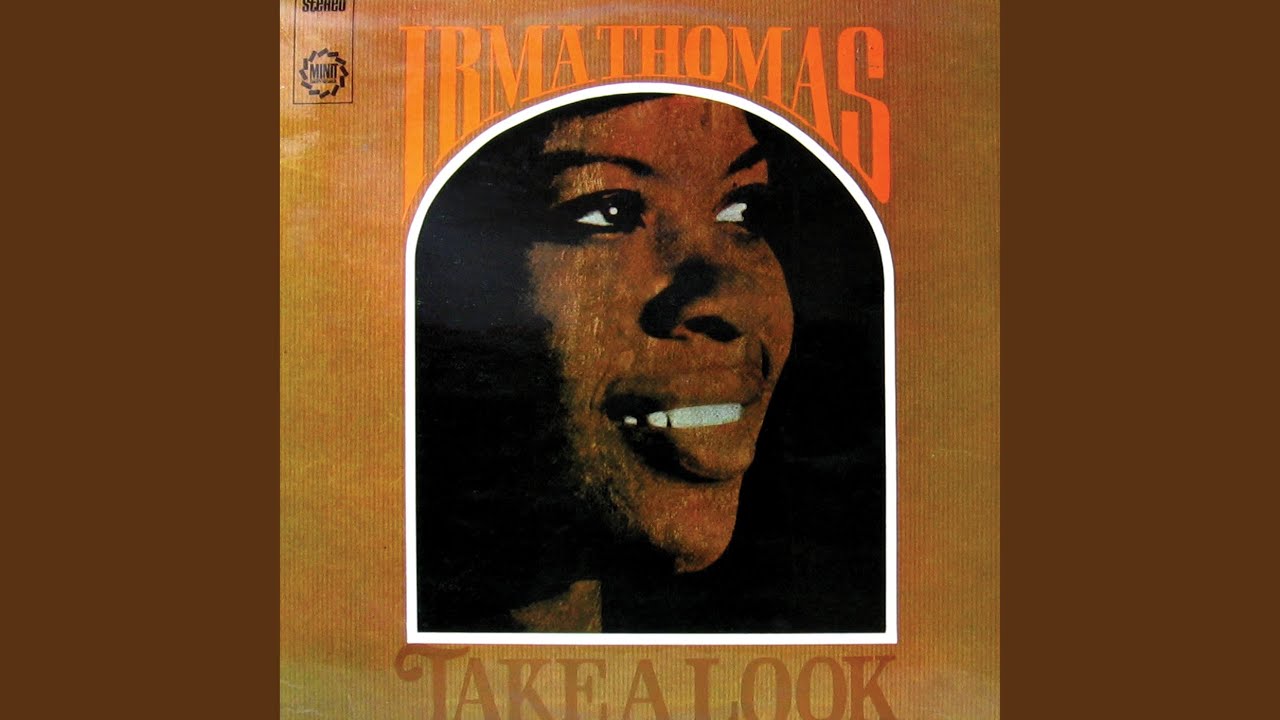
"Wish Someone Would Care" — Irma Thomas's singular moment on the 1960s charts.
02 Song Meaning
"Wish Someone Would Care" — Longing, Dignity, and the Soul Music of Emotional Need
The Emotional Directness of the Title
There is an almost startling vulnerability in the title "Wish Someone Would Care." It strips away romantic euphemism and arrives at the rawest possible statement of human need: not the desire to be loved in some abstract sense, but the concrete, immediate wish for someone, anyone, to register your existence with genuine tenderness. In 1964, when coded language and emotional restraint still dominated much of mainstream pop music, this kind of directness was itself a form of cultural courage. Irma Thomas gave the song's emotional premise her complete commitment, and the result was a recording that located its power in refusal to soften the longing it described.
Soul as a Language of Survival
Soul music in the early 1960s was developing a distinct emotional vocabulary, one that drew on the church's tradition of testimony and the blues' hard-won wisdom about suffering and endurance. The genre's greatest practitioners understood that the emotion they were channelling in the recording studio was not a performance but a transmission, something real that listeners would receive and recognise as their own experience made audible. "Wish Someone Would Care" operates fully within that tradition, presenting loneliness and the desire for care not as personal weakness but as fundamental human conditions that deserve to be acknowledged and dignified.
A Black Woman's Voice in 1964 America
The specific cultural location of "Wish Someone Would Care" matters enormously to its meaning. Irma Thomas was a Black woman from New Orleans singing at the precise moment when the Civil Rights Movement was achieving some of its most significant legislative breakthroughs, and the emotional territory she inhabited in the song, the wish for care, for recognition, for basic human attentiveness, resonated across multiple registers simultaneously. The personal and political cannot be fully separated in this context. The longing expressed in the lyric was received by many listeners not merely as romantic sentiment but as a statement about what Black Americans had been denied and what they deserved to receive.
The Gospel Root and Its Implications
Thomas's vocal approach on this recording draws heavily on the gospel tradition, particularly in its use of melisma and the physical intensity of its most emphatic phrases. Gospel music is fundamentally about the experience of calling out, of expressing need to a higher power and trusting that the expression itself is meaningful. Transposing that structure onto a secular love song gives "Wish Someone Would Care" an emotional weight that goes beyond ordinary pop ballad territory. The person being addressed in the lyric acquires an almost sacred quality; to be needed this desperately and this honestly is to be placed in a position of genuine responsibility.
The Enduring Universality of the Need
Sixty years after its recording, "Wish Someone Would Care" has not aged in any way that diminishes its impact. The human need it describes is permanent and universal, crossing every demographic and every era. What changes is the courage required to admit to the need publicly, and Irma Thomas's willingness to do exactly that, with all the vocal power she possessed, is the source of the track's lasting vitality. The song endures because the wish it names never goes away; it simply waits for a voice strong enough to say it plainly, and in Thomas, it found the right vessel.
→ More from Irma Thomas
View all Irma Thomas hits →
→ More from the 1960s File
View all 1960s hits →




Keep digging