The 1960s File Feature
Silhouettes
Silhouettes by Herman's Hermits: British Invasion Charm at Its Sweetest Picture the spring of 1965, when the British Invasion was in full, glorious swing and…
01 The Story
"Silhouettes" by Herman's Hermits: British Invasion Charm at Its Sweetest
Picture the spring of 1965, when the British Invasion was in full, glorious swing and American teenagers could not get enough of the cheerful, accented pop pouring across the Atlantic. Among the most beloved of those exports were Herman's Hermits, led by the boyishly charming Peter Noone, whose wholesome appeal made them one of the era's most reliable hitmakers. Their bright, nostalgic rendition of "Silhouettes" gave them another top-five smash and confirmed their place near the very top of the mid-1960s pop world.
The Hermits at the Height of Their Powers
By 1965, Herman's Hermits had become a phenomenon, particularly in the United States, where their good-natured charm and catchy singles made them rivals to even the biggest British acts of the day. Peter Noone's youthful, friendly persona was central to their appeal, projecting an innocence that delighted American audiences and made the band a fixture on television and radio. They were riding an extraordinary hot streak of hits.
The song itself was a cover, originally a doo-wop hit from the 1950s by The Rays, and the Hermits gave it a bright, jangly Invasion-era makeover. Reinterpreting an American oldie was a savvy move that connected the band to a familiar melody while putting their own contemporary stamp on it. For a group built on charm and accessibility, "Silhouettes" was an ideal vehicle, blending nostalgia with the fresh energy of the British beat.
A Bright and Jangly Sound
Musically, the recording embodies the sunny, melodic style that defined Herman's Hermits at their best. The arrangement is light and tuneful, built around chiming guitars and Noone's warm, inviting vocal. There is an effortless brightness to the performance, the kind of easy charm that made the band so endearing to a mass audience. It is pop craftsmanship in its most pleasant and unpretentious form.
What gives the record its appeal is its sheer agreeableness. The Hermits were never about edge or rebellion; they traded in good cheer and memorable melodies, and this single delivers both in abundance. The doo-wop bones of the original shine through the updated arrangement, giving the song a timeless quality that bridged the gap between the 1950s and the swinging mid-1960s. It is a record practically designed to put a smile on your face.
A Swift Climb to the Top Five
On the Hot 100, the single was a major success. "Silhouettes" debuted on April 3, 1965, entering at number 76, and it rocketed up the chart with remarkable speed. Within two weeks it had leapt into the top 20, and it kept climbing rapidly. The single peaked at number 5 on May 15, 1965, a genuine smash that placed it among the most popular records in the country that spring. It spent thirteen weeks on the Hot 100, a healthy and substantial run.
That rapid ascent, from the lower reaches of the chart into the top five in barely a month, is the signature of a band at the absolute peak of its commercial powers. A peak position of number 5 was a tremendous achievement, confirming Herman's Hermits as one of the dominant pop acts of the British Invasion. For Peter Noone and the band, it was yet another triumphant entry in an astonishing run of mid-decade hits.
An Enduring Slice of Invasion Pop
In the years since, "Silhouettes" has remained a cherished example of Herman's Hermits's particular gift for cheerful, melodic pop. It captures the innocent charm of the British Invasion at its most accessible, and it remains a favorite among fans of 1960s pop and oldies radio. The song's bright, nostalgic appeal has aged gracefully, a reminder of a moment when pop music's primary goal was simply to delight.
For listeners revisiting the golden age of the British Invasion, the recording is an easy and rewarding pleasure. Put it on, and you will be carried back to a sunnier, simpler pop landscape, where a boyish smile and a catchy melody could conquer the charts. Few bands embodied that spirit as completely as Herman's Hermits, and few of their hits capture it quite as sweetly as this one.
"Silhouettes" — Herman's Hermits's singular moment on the 1960s charts.
02 Song Meaning
The Meaning Behind "Silhouettes" by Herman's Hermits
Beneath its bright and breezy surface, "Silhouettes" tells a small story of romantic misunderstanding, jealousy, and relief. Originally written in the 1950s, the song's narrative concerns a young man who glimpses two shadows on a window shade and leaps to a heartbreaking conclusion. Herman's Hermits's cheerful rendition preserves that tale, wrapping a moment of emotional turmoil in irresistibly sunny pop.
A Story of Mistaken Heartbreak
The lyric unfolds as a miniature drama. The narrator passes his sweetheart's house and sees two silhouettes embracing on the shade, instantly convinced that she has betrayed him. The song captures the sting of perceived betrayal, the gut-punch of believing the worst about someone you love. That sudden plunge into despair gives the song its emotional core, even as the melody bounces along brightly above it.
Relief and Reconciliation
The story does not end in heartbreak, and that turn is central to the song's meaning. The narrator discovers he has been standing outside the wrong house entirely, and his sweetheart is faithful after all. The song ultimately celebrates relief and renewed trust, transforming a moment of anguish into one of joyful resolution. That emotional arc, from despair to reassurance, gives the lyric a satisfying narrative shape that listeners could follow easily.
This resolution is part of why the song felt so appealing in the Hermits's hands. The happy ending matched the band's wholesome image perfectly, allowing them to tell a story of romantic drama that ultimately affirmed love and faithfulness. The combination of light suspense and reassuring conclusion suited their sunny persona ideally.
Innocence and Young Love
The song belongs to a tradition of pop storytelling rooted in the innocent romance of teenage life. Its concerns are the dramas of young love: jealousy, devotion, and the fragility of trust. The lyric reflects an idealized vision of youthful romance, where misunderstandings are resolved happily and love endures. For the teenage audiences of 1965, that vision was both relatable and comforting.
The Hermits's bright delivery reinforced this innocence, keeping the emotional stakes light enough to remain pleasant. Even the moment of imagined betrayal never feels truly dark, framed as it is within the band's cheerful sound. That balance of mild drama and reassuring warmth was key to the song's broad appeal.
A Lasting Charm
Decades on, the meaning of "Silhouettes" remains as charming and accessible as ever. It is a small story about the perils of jumping to conclusions and the joy of discovering that love is true after all, told with a melody impossible to resist. Press play, and you will follow the narrator from heartbreak to happiness in just a few delightful minutes, a reminder that the best pop songs often find their meaning in the simple, universal dramas of the human heart.
→ More from Herman's Hermits
View all Herman's Hermits hits →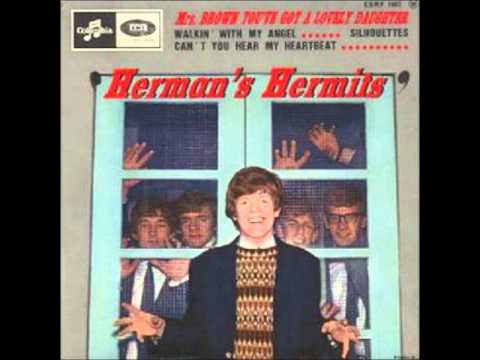



→ More from the 1960s File
View all 1960s hits →




Keep digging