The 1960s File Feature
Dandy
Dandy — Herman's Hermits Climb to Number 5 on the 1960s Charts By the autumn of 1966, Herman's Hermits had spent nearly three years as one of the British Inv…
01 The Story
"Dandy" — Herman's Hermits Climb to Number 5 on the 1960s Charts
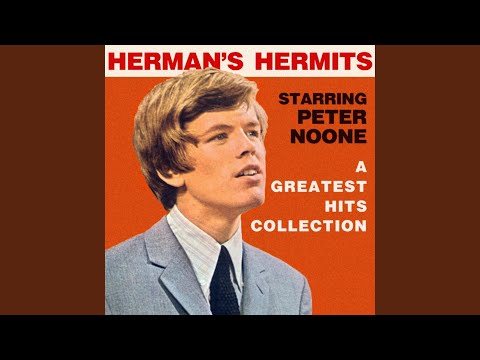
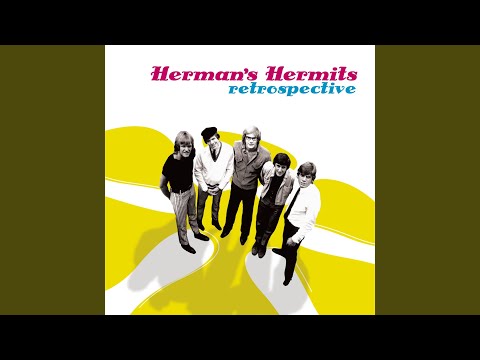
By the autumn of 1966, Herman's Hermits had spent nearly three years as one of the British Invasion's most commercially reliable exports to America. The Manchester group, fronted by Peter Noone, had arrived in the States in 1965 and immediately began producing top-40 hits with a consistency that rivaled any act of the era: "Mrs. Brown You've Got a Lovely Daughter," "I'm Henry VIII, I Am," "Silhouettes": record after record had found the top 10 and made Noone's gap-toothed grin one of the more recognizable faces in American pop. "Dandy," written by Ray Davies of The Kinks and released in 1966, gave them one of their biggest American hits in a year when their commercial power was still fully intact.
The Ray Davies Connection
"Dandy" arrived from an interesting source: Ray Davies, the chief songwriter and creative force of The Kinks, was himself one of the most important songwriters working in British pop during the 1960s, and his songs for his own group had been demonstrating a distinctive irony and social intelligence that set them apart from most of their contemporaries. "Dandy" is a characteristic Davies creation: a portrait of a charming but morally unreliable character, delivered with the kind of wry appreciation for human weakness that runs through Davies's best work. Herman's Hermits were an interesting choice to record it; Noone's cheerful, open-faced persona gave the material an affectionate rather than cutting quality.
The Sound of a British Hit Machine
By 1966, Herman's Hermits had developed a well-honed commercial formula: Noone's youthful charm upfront, tight arrangements that leaned on melody and accessibility, and a level of production polish that made the records easy for American radio to accommodate. "Dandy" fits this framework comfortably, with a production that is lively and melodically engaging without departing into the more experimental territory that some British acts were beginning to explore. The result is a record that is very much of its commercial moment while benefiting from the genuine quality of the Davies original.
Eleven Weeks and a Peak at Number 5
"Dandy" debuted on the Billboard Hot 100 on October 1, 1966, entering at number 89 and beginning one of the more dramatic upward trajectories in Herman's Hermits' American chart history. The climb was rapid: from 89 to 48, then 15, 9, 6, ascending with each passing week as radio play and sales accumulated. The single reached its peak position of number 5 on November 5, 1966, and spent eleven weeks on the chart in total. A top-5 finish was among the group's best American results, placing the record squarely in the company of the season's biggest pop successes.
The Hot 100 in the Fall of 1966
The fall of 1966 charts capture American pop at a particularly interesting moment of transition. The Beatles had released Revolver that summer and were in the process of stepping back from touring, the Monkees were in the middle of their chart dominance, and the folk-rock and psychedelic sounds that would define the next two years were beginning to make their commercial presence felt. For Herman's Hermits to reach number 5 in this environment with a Ray Davies portrait of a rakish charmer was a reminder of the breadth of the British Invasion's commercial reach.
Toward the End of Their Peak
In retrospect, "Dandy" sits near the end of Herman's Hermits' peak commercial period in America. The group would continue releasing records through the late 1960s, but the commercial landscape was shifting in ways that made their particular brand of cheerful British pop harder to place in the mainstream. The song stands as one of their finest American moments, the record where Davies's songwriting intelligence and Noone's commercial charm aligned most productively. Its 168,000 YouTube views reflect an audience that has found their way to the full catalog and recognizes this chapter for what it was worth.
For anyone who loves the quality songwriting that ran through the British Invasion, this is one of the better discoveries. Press play.
"Dandy" — Herman's Hermits' singular moment on the 1960s charts.
02 Song Meaning
The Meaning Behind "Dandy" by Herman's Hermits
Ray Davies was already one of the most observant social commentators in British pop when he wrote "Dandy," and the song is characteristic of his best work: a portrait of a specific human type, delivered with the kind of wry, affectionate ambivalence that refuses either simple condemnation or simple celebration. The Dandy of the title is a recognizable figure, the man who moves through the social world charming everyone he encounters while maintaining a studied indifference to consequence, commitment, and the feelings of those who are drawn to him.
The Portrait as Pop Song
The character portrait song has a long history in British pop, from music-hall sketches through the Kinks' own extended gallery of English types. Davies was a master of this form, capable of creating a character who feels simultaneously specific enough to be someone you recognize and general enough to be a type you can place in your own experience. The Dandy is both a particular individual and an archetype, the latter quality being what gives the song its staying power beyond its immediate cultural moment.
Charm and Its Complications
The song's emotional complexity comes from the tension between the narrator's evident admiration for the Dandy's social gifts and an awareness of what those gifts cost the people around him. The Dandy is charming, yes; he is also unreliable, probably unfaithful, and almost certainly more focused on his own pleasure than on the wellbeing of anyone who makes the mistake of taking him seriously. Davies presents this with a tone that is more knowing than moralistic, the stance of someone who finds the Dandy genuinely engaging while being clear-eyed about what engaging with him actually involves. The listener is invited to share both the admiration and the wariness simultaneously.
Herman's Hermits and the Song's Affectionate Reading
The choice of Herman's Hermits to record the Davies original shifted the song's emotional register in interesting ways. Peter Noone's persona, cheerful and open and radiating a kind of genuine guilelessness, gave the material a warmer reading than Davies's own more ironic presentation of similar characters might have produced. In Noone's hands, the Dandy becomes a figure of fond exasperation rather than sharp critique, someone whose faults are acknowledged but forgiven in the larger recognition of his genuine appeal. This is a legitimate interpretation of the material, and it is the one that produced a top-5 American hit.
The Social Type in 1960s Britain
The figure of the Dandy in 1966 Britain carried specific class and generational associations that would have been legible to British listeners and somewhat more opaque to their American counterparts. The term connected to a tradition of aristocratic self-fashioning, of men whose primary commitment was to their own elegance and pleasure, and it also resonated with the emerging youth culture's celebration of style and self-presentation as values in themselves. Davies was observing something real about a certain kind of young man in the mid-1960s British social landscape and putting it into commercial pop form with his characteristic mixture of affection and skepticism.
Why the Character Endures
The Dandy is not a figure specific to 1960s Britain or to any particular social configuration. The charming, commitment-averse person who moves through other people's emotional investments without incurring reciprocal obligations is a recognizable presence in virtually every social context. "Dandy" has lasted because it describes this type with enough precision that listeners in any era can recognize what they are hearing, and with enough fondness that the recognition is pleasurable rather than merely diagnostic.
→ More from Herman's Hermits
View all Herman's Hermits hits →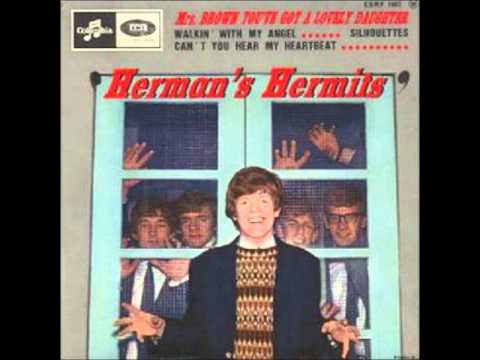
→ More from the 1960s File
View all 1960s hits →




Keep digging