The 1960s File Feature
Can't You Hear My Heartbeat
Herman's Hermits, Mickie Most, and the American Triumph of "Can't You Hear My Heartbeat" The story of "Can't You Hear My Heartbeat" is one of the more instru…
01 The Story
Herman's Hermits, Mickie Most, and the American Triumph of "Can't You Hear My Heartbeat"
The story of "Can't You Hear My Heartbeat" is one of the more instructive tales in the commercial history of the British Invasion: a record that was not considered significant enough to release as a single in its home market, yet that reached number two on the American Billboard Hot 100 and became one of the defining chart moments of Herman's Hermits' enormously successful early American career. The contrast between the song's status in Britain and its American commercial performance speaks to the genuinely transatlantic nature of the pop marketplace in 1965, and to the specific commercial dynamics that the British Invasion had created for the major record labels navigating both markets simultaneously.
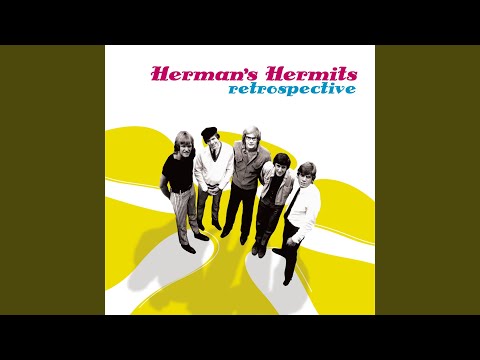
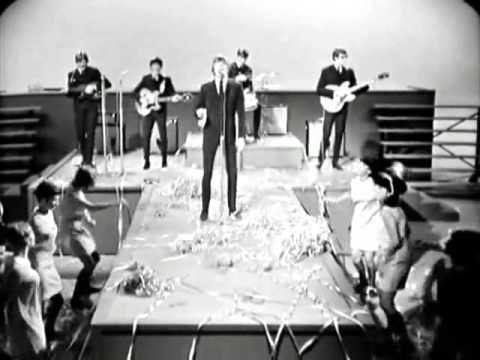
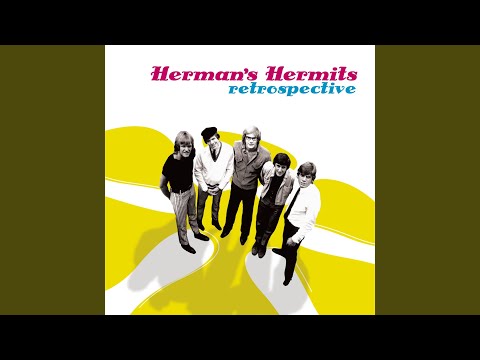
Herman's Hermits had formed in Manchester in 1964, coalescing around the photogenic and cheerful presence of Peter Noone, who was fifteen years old when the group began attracting serious professional attention. The band's association with producer and manager Mickie Most was the defining relationship of their commercial career. Most was at this point one of the shrewdest operators in the British pop business, a producer with an instinctive understanding of what the teen pop market would respond to and a gift for presenting it with sufficient production polish to satisfy radio programmers on both sides of the Atlantic. His judgment about material was the engine driving Herman's Hermits' commercial "Can't You Hear My Heartbeat" was written by the British songwriting team of John Carter and Geoff Stephens, two prolific composers who supplied much of the material for Mickie Most's roster of acts during this period. The song was a piece of straightforwardly constructed British pop, its appeal built on a melody that was immediately memorable and a lyric that communicated romantic excitement with appealing directness. Most produced it with the kind of professional expertise that had become his signature: clear, bright, forward, and designed for maximum impact on AM radio.pact on AM radio.
In Britain, the song was not released as a single. This decision, which seems surprising in retrospect given the record's American commercial performance, reflected the specific strategic calculations that British labels were making in 1965 about how to sequence their artists' releases across markets. The British pop marketplace and the American marketplace were distinct commercial environments with different audience expectations and different radio programming norms, and what Mickie Most and Columbia Records (who released the record in Britain through EMI) judged appropriate for one market was not necessarily what they selected for the other.
In the United States, the record was released on MGM Records, which had acquired the rights to Herman's Hermits' catalog for American distribution and which was aggressively exploiting the group's commercial appeal in the post-Beatles British Invasion environment. The single entered the Billboard Hot 100 on January 30, 1965, debuting at number 85. Its climb over the following weeks was rapid and impressive, reflecting the enormous enthusiasm that American audiences had developed for British pop acts in the year following the Beatles' first American visit. By late March 1965, the record had reached its peak position of number two on the Hot 100, becoming one of the biggest American hits of the band's career.
The peak position of number two is particularly notable because it was blocked from the top position by Petula Clark's "Downtown," another British act benefiting from the same transatlantic commercial dynamic. The British Invasion's commercial dominance of the American charts in early 1965 was so thorough that even the records locked out of the top position were frequently British, a situation that reflected the scale of the cultural transformation that the Beatles had initiated twelve months earlier.
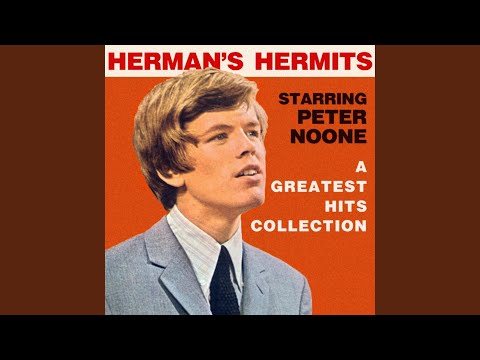
Peter Noone's vocal performance on "Can't You Hear My Heartbeat" embodied the qualities that made Herman's Hermits the second-biggest British act in America through much of 1965, a period when they were outselling even the Beatles on some chart weeks. His voice was youthful and bright, carrying an inherent sense of cheerfulness that communicated the song's romantic excitement without any effort at adult sophistication. American teenagers responded to this quality with remarkable enthusiasm, and the record's commercial performance was a direct reflection of that response.
The 15 weeks that "Can't You Hear My Heartbeat" spent on the Hot 100 was a strong showing that reflected genuine sustained audience engagement rather than merely promotional flash. The record continued attracting listeners long after its peak week, finding its way into the rotation of AM radio stations that were the primary commercial vehicle for pop music in 1965 and maintaining its presence there through consistent listener demand. Herman's Hermits in 1965 represented one of the most commercially productive relationships between a British act and the American market that the entire British Invasion produced, and "Can't You Hear My Heartbeat" was one of the central documents of that relationship.
Mickie Most's production instincts were validated by the record's American performance, even as it went unrecognized as a commercial product in Britain. His understanding of what would connect with American listeners was sharp enough to identify material that his British counterparts considered insufficient for single release as a vehicle for enormous transatlantic commercial success. That judgment was one of the more impressive demonstrations of cross-market commercial intelligence that the British Invasion produced.
02 Song Meaning
The Meaning of "Can't You Hear My Heartbeat" by Herman's Hermits
"Can't You Hear My Heartbeat" is a piece of British Invasion pop that does not complicate its emotional content or obscure its intentions. Written by John Carter and Geoff Stephens for Mickie Most's production machinery and delivered by the youthful, exuberant voice of Peter Noone, the song presents romantic excitement as a physical experience that demands to be communicated and acknowledged. The heartbeat of the title is not a metaphor to be unpacked; it is a physiological response to attraction, and the song's central address is a direct appeal to the object of desire to recognize and reciprocate what the speaker is feeling.
The directness of this communication was itself a cultural statement in the context of early 1965. The Beatles had demonstrated that British acts could connect with American audiences through an emotional expressiveness and physical energy that the more polished and restrained American pop of the early 1960s had largely muted. Herman's Hermits, operating in the commercial space that the Beatles had opened, continued this tradition of directness while moderating its edge, offering a version of British Invasion energy that was accessible and unthreatening rather than challenging or subversive.
The song's appeal to the heartbeat as evidence of genuine feeling places it within a long tradition of pop romanticism that locates authentic emotion in the body rather than the mind. The heart beating faster is evidence that something real is happening, that the attraction is not merely cognitive or social but physically involuntary. This emphasis on the involuntary physical dimension of romantic feeling was a consistent preoccupation of early British Invasion pop, reflecting both the youth of its primary audience and the genre's roots in the physiological urgency of American rhythm and blues.
Peter Noone's vocal delivery gives the song a quality that is central to its meaning: a sense of genuine urgency without anxiety, of excitement that is pleasurable rather than threatening. His voice communicated to American listeners in early 1965 a version of the British Invasion energy that was specifically palatable: he was clearly young and enthusiastic but not provocative, his appeal directed at the heart and the harmless excitement of romantic feeling rather than at anything more unsettling. This calibration was not accidental; it was a deliberate aspect of how Herman's Hermits were marketed and presented, and Noone's natural persona made it feel authentic rather than manufactured.
The fact that the record was not released as a single in Britain while reaching number two in America offers a meaning that extends beyond the song itself into the commercial mechanics of the British Invasion. The British market and the American market in 1965 were responding to different aspects of the same cultural moment, and the decisions about what to release where reflected complex judgments about audience demographics, radio formats, and the specific registers of emotional appeal that worked in each territory. That a song not considered single-worthy at home could reach near the top of the American charts speaks to the genuinely distinct nature of each national pop market.
Today, "Can't You Hear My Heartbeat" carries the additional meaning of a document from one of the most concentrated periods of cultural exchange in the history of popular music. The British Invasion of 1964 and 1965 reshaped American pop permanently, and the records that constituted it are now historical artifacts as much as they are pop songs. The emotional directness that made the song effective in 1965 remains audible, but it now carries the additional resonance of historical distance, of a cultural moment that transformed the landscape so thoroughly that the world it inhabited no longer exists in any form recognizable to listeners encountering it for the first time.
As a pop record, the song succeeds because its emotional content is genuinely communicated and genuinely simple. The heartbeat is real; the desire for acknowledgment is real; the hope for reciprocation is real. These are durable human experiences that transcend their historical context, and it is partly this durability that explains why recordings from the British Invasion continue to attract new listeners more than six decades after their original release.
→ More from Herman's Hermits
View all Herman's Hermits hits →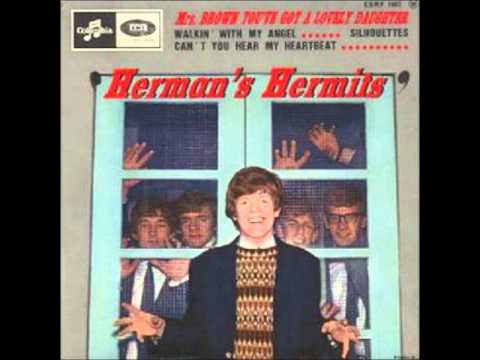
→ More from the 1960s File
View all 1960s hits →




Keep digging