The 1960s File Feature
I Wish It Would Rain
The Story Behind I Wish It Would Rain by Gladys Knight And The Pips A Motown Powerhouse at a Genuine Creative Peak By mid-1968, Gladys Knight And The Pips ha…
01 The Story
The Story Behind "I Wish It Would Rain" by Gladys Knight And The Pips
A Motown Powerhouse at a Genuine Creative Peak
By mid-1968, Gladys Knight And The Pips had firmly established themselves as one of Motown's most consistently powerful vocal groups, built around Knight's remarkably expressive, emotionally commanding lead voice and the Pips' tight, dynamic backing harmonies and choreographed stage presence. This single arrived during a genuinely productive stretch of the group's Motown tenure, released as the label continued refining its distinctive blend of gospel-rooted vocal intensity and polished soul production craftsmanship.
A Devastating, Gospel-Rooted Soul Ballad
"I Wish It Would Rain" showcased Knight's remarkable capacity for genuine emotional devastation, delivering a lyric of profound heartbreak with a controlled intensity that built steadily toward genuinely cathartic vocal climaxes, all set against a lushly orchestrated Motown production featuring the label's celebrated in-house instrumental talent. That combination of gospel-rooted vocal power and sophisticated orchestral arrangement became something of a defining Motown formula, and this recording stands as one of its most effective executions.
A Strong, Steady Chart Ascent
Commercially, "I Wish It Would Rain" debuted on the Billboard Hot 100 on August 24, 1968, and climbed steadily to reach its peak position of number 41 during the chart week of September 28, 1968, spending ten weeks on the chart overall. That solid pop chart performance, achieved alongside considerably stronger R&B chart success, confirmed the group's continued ability to reach a broad mainstream audience even as their strongest commercial impact remained concentrated within R&B-focused radio formats.
Part of a Broader Pattern of Critical and Commercial Acclaim
This particular pop chart placement carried real significance within the group's broader Motown career, offering further evidence of their consistent ability to translate deeply emotional, gospel-influenced soul balladry into genuine mainstream chart success. That crossover consistency reinforced Knight and the Pips' standing as one of Motown's most reliably successful vocal acts throughout this particularly productive late-1960s stretch of their career.
Part of Motown's Golden-Era Songwriting Machine
This single arrived amid Motown's broader late-1960s creative peak, a period when the label's in-house songwriting and production teams consistently generated material perfectly suited to showcase their roster's considerable vocal talents. That sophisticated creative infrastructure gave Knight and the Pips access to genuinely exceptional songwriting material, a crucial ingredient behind many of the group's most enduringly respected recordings from this era.
One of the Era's Most Enduringly Respected Soul Ballads
Within the broader soul music canon, this recording became one of the most critically respected and frequently cited ballads of its era, celebrated for Knight's genuinely extraordinary vocal performance and the song's masterfully constructed emotional arc. That critical esteem has only grown across subsequent decades, cementing the song's reputation as a genuine high-water mark within Motown's extensive catalog of classic soul recordings.
A Testament to Knight's Extraordinary Vocal Instrument
The single's lasting reputation ultimately rests on Knight's genuinely extraordinary vocal instrument, a voice capable of conveying profound emotional devastation while maintaining remarkable technical control throughout even the recording's most intense dramatic passages. That vocal mastery distinguished Knight among her Motown contemporaries, helping establish her lasting reputation as one of soul music's most technically accomplished and emotionally compelling vocalists.
A Recording Frequently Cited by Later Generations of Singers
In the decades since its original release, this recording has been repeatedly singled out by subsequent generations of soul and R&B vocalists as a touchstone example of controlled, technically disciplined emotional performance, a reference point cited in interviews and retrospectives examining the group's considerable influence on the genre's broader vocal tradition. That ongoing influence extends well beyond the song's original chart performance, shaping how later performers approached the delicate balance between raw emotional expression and technical vocal control. Music critics revisiting Motown's catalog have consistently pointed to this specific recording as evidence of just how sophisticated the label's collaborative songwriting, arranging, and vocal performance process could become at its absolute creative peak.
A Defining Recording in a Legendary Catalog
Press play and hear one of soul music's most extraordinary vocalists delivering a genuinely devastating performance that remains a benchmark of the genre decades later.
"I Wish It Would Rain" — Gladys Knight And The Pips' singular moment on the 1960s charts.
02 Song Meaning
What "I Wish It Would Rain" Is Really About
Rain as a Metaphor for Concealed Grief
The song's central meteorological metaphor imagines rainfall as a welcome disguise for the narrator's own tears, a way of concealing profound heartbreak from public view by allowing genuine grief to blend indistinguishably with falling rain. Gladys Knight's remarkably controlled yet devastating vocal delivery lends that metaphor genuine emotional weight throughout, building steadily from quiet vulnerability toward full cathartic release.
The Social Performance of Composure
Central to the song's meaning is a genuine tension between private devastation and public composure, the narrator desperately wishing for a socially acceptable way to express overwhelming grief without appearing openly broken in front of others. That tension gave the song considerable psychological depth, exploring the genuine emotional labor involved in maintaining outward composure while privately falling apart.
Orchestral Build Mirroring Emotional Escalation
Musically, the song's carefully constructed orchestral arrangement builds steadily alongside Knight's vocal performance, using escalating instrumental intensity to mirror the narrator's own building emotional crisis as the song progresses toward its climactic conclusion. That structural arrangement approach reflected sophisticated Motown production craftsmanship, using coordinated vocal and instrumental dynamics to maximize the song's overall emotional impact.
Gospel Roots Powering Secular Heartbreak
Knight's vocal approach throughout draws clearly on gospel music's tradition of building emotional and vocal intensity toward genuine catharsis, applying that same spiritual vocal technique to explicitly secular romantic heartbreak. That gospel-rooted vocal tradition gave the recording genuine emotional authenticity, connecting the song's romantic devastation to a much older and deeply rooted African American musical tradition of cathartic vocal expression.
Universal Grief Behind a Specific Romantic Loss
The song's central emotional wish, for a natural, universally understood way to publicly grieve, taps into genuinely universal human experience beyond its specific romantic context, addressing the broader challenge of processing grief within social settings that often discourage open emotional expression. That universality helped the song resonate well beyond listeners who had experienced its exact specific romantic circumstances.
Nature as an Unwitting Confidant
By imagining rain as a kind of unwitting confidant, the lyric transforms an ordinary weather phenomenon into an intimate emotional ally, something the narrator can lean on precisely because it asks nothing in return and offers no judgment. That personification gives the song's central wish an almost childlike simplicity beneath its sophisticated musical execution, grounding profound heartbreak in a genuinely relatable, everyday image.
Why the Song Still Resonates
Decades later, the track remains widely regarded as one of the finest soul ballads ever recorded, valued by critics and listeners alike for Knight's extraordinary vocal performance and the song's masterfully constructed emotional architecture. Its enduring critical and popular esteem rests on that same combination of technical vocal mastery and genuine emotional authenticity that defined the group's broader artistic legacy throughout their remarkable Motown tenure.
"I Wish It Would Rain" — Gladys Knight And The Pips' singular moment on the 1960s charts.
→ More from Gladys Knight And The Pips
View all Gladys Knight And The Pips hits →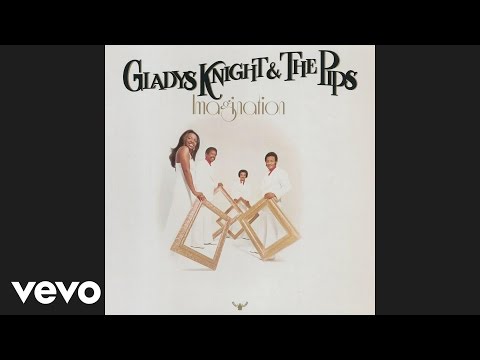


→ More from the 1960s File
View all 1960s hits →




Keep digging