The 1960s File Feature
Strangers In The Night
Strangers in the Night: Frank Sinatra's Last Number One and a Grammy Triumph By the spring of 1966, Frank Sinatra had been a dominant force in American popul…
01 The Story
Strangers in the Night: Frank Sinatra's Last Number One and a Grammy Triumph
By the spring of 1966, Frank Sinatra had been a dominant force in American popular music for more than two decades, having survived the rise of rock and roll, the British Invasion, and the wholesale transformation of the pop landscape to remain a recording artist of genuine commercial relevance. "Strangers in the Night" was not the kind of song that Sinatra typically gravitated toward, and the circumstances of its recording were hurried and almost accidental, yet the finished record became arguably the most celebrated single of his mature career, reaching number one on the Billboard Hot 100 and winning the Grammy Award for Record of the Year.
The song was written by Bert Kaempfert, Charles Singleton, and Eddie Snyder, originally as an instrumental theme for the film A Man Could Get Killed. Kaempfert, the German bandleader and producer who had also played a role in launching the Beatles' professional recording history, wrote the melody, and the lyricists Singleton and Snyder added words that transformed it into a romantic narrative about two strangers meeting and falling in love in a single evening. The song was given to Sinatra by his producer at Reprise Records, and the session that produced the finished recording took place in April 1966 with arranger Ernie Freeman providing the orchestral backing.
Sinatra reportedly had reservations about the song's quality and recorded it in a relatively short session without the extended preparation he typically devoted to material he felt strongly about. The scat-like vocal improvisation at the song's conclusion, the now-famous "dooby dooby doo" passage that closes the record, was added spontaneously during the session and was the subject of some internal debate about whether it belonged on the final cut. It remained, and it became one of the most recognizable moments in the singer's entire catalog.
Released in May 1966, the single entered the Hot 100 with immediate momentum and climbed steadily over the following weeks. The combination of the song's romantic theme, Freeman's lush orchestral arrangement, and Sinatra's authoritative vocal delivery gave the record an appeal that extended well beyond his core audience of adult listeners, attracting younger consumers who might not have engaged with his more traditional material. The record reached number one and spent several weeks at or near the top of the chart, establishing itself as one of the definitive commercial achievements of the entire pop era.
The Grammy recognition was equally significant. Record of the Year at the 1967 Grammy Awards was the most prestigious of the Recording Academy's honors, and the award confirmed what the chart performance had suggested: that "Strangers in the Night" was not simply a commercial success but a record that the broader music industry regarded as genuinely excellent. Sinatra also received the Grammy for Best Male Pop Vocal Performance for the same record, making the awards season a particularly strong one for both him and Reprise.
The album of the same name, which surrounded the hit single with a collection of carefully chosen standards and new material, was also a commercial success, reaching the top of the Billboard album chart and confirming Sinatra's ability to succeed in the album format as well as the single format at a moment when the two were increasingly diverging in their commercial dynamics. The combination of a number one single and a number one album was an achievement that few artists managed during this period, and Sinatra accomplished it at an age when most performers of his generation had long since ceded commercial dominance to younger artists.
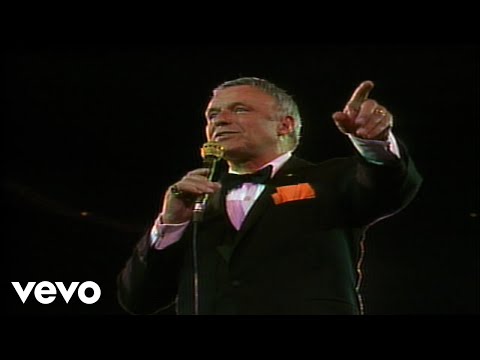
The song's cultural footprint expanded rapidly after its initial success. It was covered by numerous artists, performed on television variety programs, and used in advertising and film contexts that extended its reach well beyond the pop radio audience. Sinatra himself performed it extensively on tour and in his Las Vegas residencies, where it became a fixture of his live shows and one of the songs that audiences consistently identified as central to his legacy.
Critics who had occasionally questioned Sinatra's relevance in the rock era were obliged to revise their assessments after "Strangers in the Night." The record demonstrated that the craft of traditional pop performance, the intelligent choice of material combined with impeccable vocal delivery and thoughtful orchestration, could still produce commercially and artistically significant work even in a landscape dominated by very different kinds of music. It was a vindication not just of Sinatra personally but of the tradition he represented, and it arrived at a moment when that tradition seemed to need defending most urgently.
02 Song Meaning
Strangers in the Night: Romance, Chance, and the Sinatra Mystique
"Strangers in the Night" presents one of the most enduring romantic premises in popular music: two people who do not know each other, encountering one another across a crowded room, and recognizing in that instant something that changes their lives permanently. The scenario is a fantasy, of course, belonging to a long tradition of romantic idealism that pop music has carried forward from operetta and the Broadway stage, but the best versions of this fantasy feel true because they articulate something that human beings genuinely experience, the sudden, inexplicable conviction that a stranger matters.
What Frank Sinatra brought to this material was the weight of his own carefully constructed public persona. By 1966, Sinatra was not simply a singer but a cultural figure whose romantic history, his turbulent marriages, his celebrated social life, his decades of performing songs about desire and longing, gave every romantic lyric he sang an added dimension of lived experience. Whether or not that lived experience was actually present in the recording booth, the perception of it was, and that perception transformed the song from a pleasant romantic scenario into something that felt like testimony.
The song's central conceit, that love can arrive completely without warning and that a single evening can alter the entire course of a life, speaks to a particular strain of romantic optimism that Sinatra's catalog consistently endorsed. His great recordings across the 1950s and 1960s mapped a wide emotional range that included heartbreak, nostalgia, and resignation alongside celebration, but the recordings that reached the widest audiences were generally those that affirmed romantic possibility rather than mourning its failure. "Strangers in the Night" sits at the most optimistic end of that spectrum, a song where everything works out, where the strangers become lovers, where the chance encounter delivers exactly what it promises.
The improvised closing passage that Sinatra added spontaneously during the recording session became, paradoxically, one of the most analyzed and discussed moments in the record's reception history. What might have been dismissed as a throwaway addition became instead a signature, a moment of playfulness that reminded listeners that the man performing these elegant romantic sentiments was also a person capable of humor and lightness. It humanized the record in ways that a more formally precise conclusion might not have, and it gave the song a personality that pure instrumental perfection could not have generated.
For students of Sinatra's catalog, "Strangers in the Night" occupies an interesting position because it is not the kind of song that the most devoted admirers of his 1950s work on Capitol Records typically place at the peak of his achievement. Those admirers tend to prefer the darker, more complex emotional terrain of albums like In the Wee Small Hours or Only the Lonely, where Sinatra's interpretive gifts were applied to material of considerable literary and emotional depth. "Strangers in the Night" is lighter than that work, more immediate in its pleasures, less demanding of the listener. But the record's Record of the Year Grammy and its number one chart position remind us that accessibility and quality are not mutually exclusive, and that a song can be emotionally uncomplicated without being artistically dismissible.
The song also carries a dimension of cultural nostalgia that has intensified with time. To hear it now is to hear a particular vision of romantic life, conducted in elegant spaces, with orchestras playing in the background and strangers exchanging meaningful glances across dimly lit rooms. That vision has receded from everyday experience but not from the imagination, and Sinatra's performance preserves it with enough conviction to make it feel genuinely attainable rather than merely decorative. That combination of aspiration and elegance is what the song ultimately means, and it is what continues to draw listeners to it across the decades.
→ More from Frank Sinatra
View all Frank Sinatra hits →


→ More from the 1960s File
View all 1960s hits →



Keep digging