The 1960s File Feature
Forget Domani
Forget Domani: Frank Sinatra and the Italian Romance of Summer 1965 Sinatra at Sixty and Still in the Game The summer of 1965 was a fascinating moment in whi…
01 The Story
Forget Domani: Frank Sinatra and the Italian Romance of Summer 1965
Sinatra at Sixty and Still in the Game
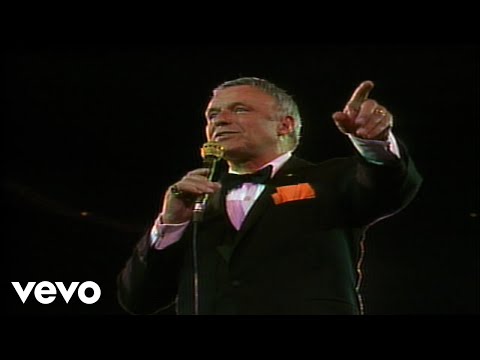
The summer of 1965 was a fascinating moment in which to be Frank Sinatra. He was fifty years old, a generation older than the Beatles and the Rolling Stones who had invaded the American charts the previous year. The British Invasion had genuinely disrupted the pop landscape in which he had thrived for two decades, and yet Frank Sinatra remained a genuine commercial and cultural force, a living monument to a style of entertainment that the rock era seemed determined to supersede. His Reprise Records had given him both commercial and creative autonomy, and he was using that freedom to pursue projects that interested him rather than chasing the youth market on its own terms.
Sinatra in the mid-1960s was also navigating a personal landscape that had its own fascinations and complications. His relationship with the Rat Pack, his film career, his political associations, and his romantic life all kept him in the public eye in ways that went beyond his recordings alone. He was, in a sense that few entertainers have ever achieved, simply part of the permanent furniture of American popular culture, there regardless of what any particular chart cycle suggested.
The Film and the Song
Forget Domani came from the 1965 Italian-American romantic comedy film The Yellow Rolls-Royce, in which it was used on the soundtrack. The song was originally composed by Riz Ortolani, an Italian film composer who had won considerable recognition for his work on the 1962 documentary Mondo Cane, where his "More" became one of the most widely heard movie themes of the decade. Ortolani's gift for romantic melody was well established, and Forget Domani demonstrated it clearly.
The English lyrics were written by Norman Newell, and the song's subject was perfectly suited to Sinatra's particular romantic persona: a plea to set aside tomorrow and live completely in the present moment, to let the distractions of the future dissolve into the pleasure of now. It was the philosophy of the swinging bachelor translated into a gorgeous melodic frame, and Sinatra inhabited it with the ease of someone who had been living that philosophy for years.
A Summer Chart Run in 1965
The single debuted on the Billboard Hot 100 on June 26, 1965, entering at number 100. The chart trajectory was slow and steady, the track climbing incrementally through the summer weeks. The song reached its peak of number 78 on July 31, 1965, spending seven weeks total on the chart. The performance was modest by the standards of Sinatra's career peaks, but it registered genuine commercial presence in a marketplace that was increasingly hostile to artists of his generation.
The summer of 1965 was a particularly intense pop moment. The Beatles, the Beach Boys, and a wave of British and American rock acts dominated the upper reaches of the Hot 100. That Forget Domani found any purchase at all in that environment demonstrated the breadth of Sinatra's audience and the enduring appeal of the musical tradition he represented.
Sinatra, Italy, and a Particular Brand of Romance
Sinatra's relationship with Italian musical culture ran deep and in multiple directions. His own Italian-American heritage gave him a personal connection to the romantic tradition that Italian popular music represented, and over the course of his career he recorded numerous songs with Italian themes, subjects, or origins. Forget Domani fit naturally into that lineage, the Italian title (meaning "forget tomorrow") signaling a lyric philosophy deeply embedded in a romantic culture that prized living fully in the present.
The arrangement Sinatra chose for the recording reflected the lush orchestral style that had always been his natural habitat, comfortable in ways that no amount of chart upheaval could change. Put it on and feel the Mediterranean sun even through the radio static of that long-ago summer.
"Forget Domani" — Frank Sinatra's singular moment on the 1960s charts.
02 Song Meaning
The Meaning of Forget Domani by Frank Sinatra: Presence, Pleasure, and the Art of the Moment
Domani: Tomorrow as the Enemy of Now
The philosophy embedded in Forget Domani is ancient, older than any pop song or film score. The injunction to set aside worry about tomorrow and immerse oneself in the present moment runs through philosophical traditions from Epicurus to the Stoics to the Zen Buddhist emphasis on mindfulness. What Riz Ortolani's melody and Norman Newell's lyric achieved was the translation of that ancient wisdom into the language of mid-century romantic entertainment, making it accessible and emotionally immediate to audiences who would never have engaged with the underlying philosophy in its more formal guises.
The specific Italian framing matters. "Domani" places the sentiment in a cultural context that carries associations with a particular quality of life: the leisurely afternoon, the long dinner, the conversation that goes nowhere in particular and arrives at something essential. Italian culture had long represented for many Americans a kind of permission to slow down, to enjoy, to let tomorrow take care of itself. The song offered that permission in the most seductive possible form.
Sinatra and the Bachelor's Credo
Throughout his career, Frank Sinatra constructed and inhabited a persona that was, among other things, a celebration of male autonomy and the pleasures available to a man unburdened by excessive obligation. The Rat Pack ethos, the swinging bachelor mythology, the late-night world of clubs and cocktails and beautiful company: these were the coordinates of an identity that Sinatra wore with enormous style. Forget Domani fit that identity naturally, its plea to abandon tomorrow in favor of present pleasure articulating a value system that Sinatra had been performing, on stage and off, for decades.
The song's romantic address is not about commitment or permanence. It is about the quality of attention that two people can give each other when they agree to set aside everything else. That is a more sophisticated emotional proposition than it might initially appear, an argument that true intimacy requires the surrender of distraction rather than the making of promises.
The Mid-1960s and the Value of Timelessness
In the summer of 1965, with the pop landscape transforming at breathtaking speed around him, Sinatra's recording of a lushly orchestrated Italian-flavored romantic ballad was a quiet act of aesthetic resistance. The rock era was insisting that music needed to be contemporary, urgent, youth-oriented, and forward-looking. Forget Domani said: there is another tradition, and it is not obsolete simply because it is old. Beauty does not expire on a schedule. A great melody, a great vocal performance, a sentiment that touches something real about human experience, these things retain their power regardless of what is happening on the charts that particular week.
Sinatra understood this in his bones, and his mid-1960s recordings are among the more interesting documents of a great artist refusing to adapt to a moment that he correctly identified as temporary, or at least as one chapter among many rather than the final and definitive word about what popular music could be.
The Legacy of the Carpe Diem Song
Songs that counsel the listener to seize the present moment have always had a place in popular music, from traditional folk ballads to mid-century standards to contemporary pop. The genre endures because the anxiety it addresses endures, the tendency to be absent from one's own life, distracted by obligation and anticipation. Forget Domani stands in that tradition with particular elegance, using Sinatra's uniquely authoritative voice to deliver the counsel in a way that makes it feel not like advice but like an invitation. The best advice usually does.
→ More from Frank Sinatra
View all Frank Sinatra hits →


→ More from the 1960s File
View all 1960s hits →



Keep digging