The 1960s File Feature
Don't Cry, Baby
Etta James s Don t Cry, Baby : The Matriarch of Soul in Full Voice There is a tender, aching beauty to this song, the sound of one of the greatest voices in …
01 The Story
Etta James's "Don't Cry, Baby": The Matriarch of Soul in Full Voice
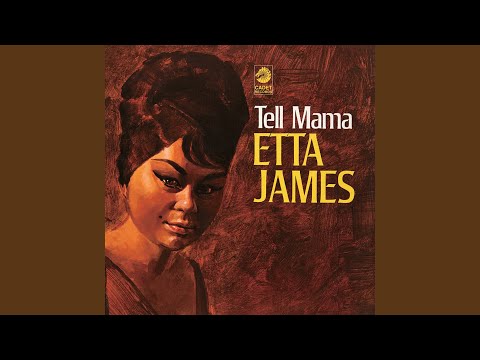
There is a tender, aching beauty to this song, the sound of one of the greatest voices in American music wrapping itself around a classic of comfort and consolation. By 1961 Etta James had established herself as a powerhouse vocalist, an artist whose extraordinary instrument could convey both raw passion and deep tenderness. This single found her interpreting a beloved standard with all the soul and emotional depth that made her a legend, a gorgeous performance of reassurance and care.
A Voice Like No Other
To understand the song, you have to appreciate Etta James's towering talent. She possessed one of the most powerful and emotionally expressive voices in the history of popular music, equally at home in blues, rhythm and blues, soul, and jazz. By the early 1960s she had become a major artist, recording for a legendary label and producing a string of beloved recordings, including one of the most enduring ballads of all time. She brought to every song a depth of feeling and a vocal authority that few could match. This single showcased her gift for interpreting standards, transforming familiar material through the sheer power of her artistry.
Consolation Set to Soul
This song trades in the theme of comfort, an effort to soothe someone's tears and ease their pain. James delivers it with extraordinary warmth and emotional sensitivity, her rich voice conveying both the tenderness of consolation and an undercurrent of her own hard-won wisdom. The arrangement provides a supportive backdrop for that remarkable instrument, allowing her to explore the song's emotional depths. It is a masterclass in vocal interpretation, the way she could take a classic and make it entirely her own, infusing it with the full force of her soulful artistry.
A Solid Chart Showing
The single performed respectably on the pop chart. It debuted at number 67 on August 7, 1961, and climbed steadily through August, peaking at number 39 on the Billboard Hot 100 on September 4, 1961. It spent 7 weeks on the chart. Reaching the top forty confirmed James's crossover appeal and the broad audience for her soulful interpretations, a solid showing for a deeply emotional ballad delivered by one of the era's finest voices.
The Power of Interpretation
One of Etta James's greatest gifts was her ability to take an existing song and make it entirely her own. This single was an interpretation of a classic, yet she imprinted it so thoroughly with her personality and emotional depth that it became unmistakably hers. This is a rare and valuable talent, the capacity to inhabit a song so fully that the listener forgets it was ever performed by anyone else. James possessed it in abundance. She did not simply sing the notes; she lived inside the emotion, drawing on her own experiences of pain and resilience to bring the material to vivid life. That interpretive genius set her apart from countless technically proficient singers and explains why her recordings continue to move listeners decades later.
Part of an Immortal Legacy
This single belongs to the magnificent catalog of one of the most important and beloved vocalists in American music history. Etta James would continue recording and performing for decades, earning recognition as one of the all-time greats and influencing countless singers who followed. Her emotional depth and vocal power remain unmatched, and recordings like this one explain her enduring reverence. Its YouTube tally sits at around 267,000 views, keeping her timeless artistry available to new listeners. Press play and let that incomparable voice console you.
"Don't Cry, Baby" — Etta James's singular moment on the 1960s charts.
02 Song Meaning
What "Don't Cry, Baby" Is Really About
This is a song of comfort and consolation, a tender effort to soothe the tears of someone in pain and reassure them that everything will be all right. The title says it plainly: don't cry. It is a message of care and support, the loving attempt to ease another person's sorrow and offer them solace in a moment of distress.
The Gift of Consolation
The central sentiment is the desire to comfort someone who is hurting. The narrator reaches out to a person in tears, offering reassurance and tenderness, promising that the pain will pass. This is one of the most loving acts a person can perform, the offering of comfort to someone in distress. The song captures that caring impulse, the wish to take away another's sorrow and replace it with hope. There is deep warmth in this gesture, the kind of compassion that speaks to the best of human connection.
Wisdom in the Reassurance
What gives the song its depth is the sense of hard-won wisdom in Etta James's delivery. When she offers comfort, it carries the weight of an artist who knew real pain and could therefore console with genuine authority. Her voice conveys not empty platitudes but the reassurance of someone who understands suffering and has survived it. That authenticity transforms the song from a simple comforting message into a profound act of empathy, the consolation of one who has been there.
A Classic of Emotional Soul
The song belongs to the rich tradition of emotionally expressive rhythm and blues and soul, a style that excelled at conveying the full range of human feeling. This tradition valued songs that spoke directly to the heart, offering comfort, expressing pain, and celebrating love. The theme of consolation fits naturally within that emotional landscape, and James's interpretation brings it to vivid, moving life.
The Strength Behind the Tenderness
There is more to the song's comfort than simple sweetness. When Etta James tells someone not to cry, the reassurance carries genuine authority because her voice contains the knowledge of real suffering. This depth transforms the consolation from a hollow platitude into something far more powerful. We trust comfort offered by those who have known pain themselves, and James's voice always conveyed that hard-won understanding. The song becomes not merely a request to stop crying but a promise from someone who has wept and survived, who can therefore assure us with conviction that the sorrow will pass. That combination of tenderness and strength is the essence of great soul singing, and few embodied it as completely as she did.
Why It Resonates
The reason the song endures is the universality of its message. Everyone has needed comfort in a moment of pain, and everyone has wished to console someone they love. The song gives voice to that tender impulse, offering the timeless reassurance that sorrow will pass and that someone cares, delivered by one of the most consoling voices music has ever known.
→ More from Etta James
View all Etta James hits →



→ More from the 1960s File
View all 1960s hits →




Keep digging