The 1960s File Feature
Baby What You Want Me To Do
Baby What You Want Me To Do: Etta James and the Jimmy Reed Blues Standard (1964) Note: "Baby What You Want Me to Do" was written and originally recorded by C…
01 The Story
Baby What You Want Me To Do: Etta James and the Jimmy Reed Blues Standard (1964)
Note: "Baby What You Want Me to Do" was written and originally recorded by Chicago blues guitarist Jimmy Reed. This article focuses on the version recorded by Etta James for Argo Records in 1964.
Jimmy Reed's original recording of "Baby What You Want Me to Do" established the song as one of the defining documents of Chicago blues in the late 1950s, its hypnotic, repetitive groove and the relaxed, slightly behind-the-beat vocal style that Reed made his signature creating a piece of music that was simultaneously simple and completely distinctive. Reed had built his career on this kind of deceptively casual blues, and "Baby What You Want Me to Do" was among the most successful expressions of his approach, charting multiple times on the R&B charts through various releases and becoming one of the most covered blues compositions of the era.
By 1964, Etta James was one of the most formidable singers in American popular music, with a voice capable of encompassing the full range of Black musical tradition from gospel to blues to the emerging soul sound. Her connection to the Chess Records family, as an artist on Chess's Argo subsidiary, placed her within an institutional environment that understood the blues tradition and had no hesitation about recording material that drew directly from it. James had grown up absorbing the blues alongside gospel, and her approach to blues material carried the authority of genuine familiarity.
James's recording of the Jimmy Reed song was released on Argo Records, the Chess subsidiary that had been one of her primary recording homes. The record demonstrated what a great soul singer could bring to blues material: a vocal intensity and a range of emotional expression that went beyond the relaxed understatement of Reed's original without losing connection to the song's essential character. Where Reed had made his version through deliberate restraint, James brought it through force of personality and vocal power, creating a reading that was recognizably related to the original while being unmistakably her own.
The production of the Argo recording was consistent with the Chess/Argo house sound of the period, featuring the tight rhythm section and the relatively spare arrangement that Chess engineers had perfected over years of recording blues and R&B sessions. Chess's recording staff understood how to create records that had presence and impact without overly elaborate production, and the James recording of the Reed song benefited from this institutional knowledge. The result was a track that felt both polished and raw, a combination that the best Chess recordings achieved with remarkable consistency.
The song's entry into James's catalog placed it within the context of her broader artistic identity, which was always more comfortable with the full emotional spectrum than most of her contemporaries. James had never been a particularly conventional pop singer, even when she was working in popular formats, and her blues recordings represented a return to something fundamental in her artistic DNA. The Reed song gave her a vehicle for demonstrating the blues foundation beneath all the stylistic range she had developed.
"Baby What You Want Me to Do" became one of several blues and blues-adjacent pieces in James's recorded repertoire that demonstrated her authenticity in a genre that was simultaneously gaining enormous appreciation among white audiences through the British Invasion's channeling of the same tradition. The Rolling Stones and other British groups were performing similar material in the same period, introducing blues to audiences who had not previously encountered it, while James was recording it as an extension of a living tradition she had inherited rather than discovered.
The historical significance of James's 1964 recording lies in its position within the larger story of how blues material traveled through American musical culture during the 1960s. Soul singers like James served as one of several transmission vectors through which the blues tradition entered the consciousness of audiences who would encounter it through their recordings rather than through direct contact with the blues community. Argo Records and the Chess organization more broadly were crucial nodes in this transmission, and James's version of the Reed song is one of the more striking examples of how soul and blues intersected at that historical moment.
James went on to record for multiple labels across her long career, eventually finding her most celebrated commercial and critical success with her work on Cadet, another Chess imprint, in the late 1960s, and later in life achieving renewed recognition through Grammy wins in the 1990s and 2000s. Her 1964 recording of the Jimmy Reed song stands as an artifact of her earlier period, a document of a singer already in full command of her gifts working with material that revealed the blues core of everything she would go on to do.
02 Song Meaning
The Meaning of Baby What You Want Me To Do: Blues Ambiguity and Soul Power
Note: This article addresses the version of "Baby What You Want Me to Do" recorded by Etta James for Argo Records in 1964. The song was written by Jimmy Reed.
At its thematic core, "Baby What You Want Me to Do" is a blues song about the bewildering and sometimes humiliating experience of being so emotionally entangled with another person that one's own desires become subordinate to that person's mercurial demands. The speaker is caught in a state of confusion and helpless attachment, willing to comply with whatever is being asked but increasingly uncertain about what the other person actually wants, or whether what they want can be provided. This is blues territory of the oldest kind, where love and suffering are not opposites but aspects of the same experience.
Jimmy Reed's original articulated this state through his characteristic relaxed, almost drowsy delivery, which created an effect of resigned acceptance that was itself expressive of the speaker's entrapment. He conveyed the sense of someone who has tried to escape the cycle of demands and compliance and has simply run out of resistance. Etta James's reading of the same material transformed the emotional register considerably. Where Reed embodied resignation, James brought something more like anguish mixed with defiance, a singer whose extraordinary vocal range made the emotional confusion of the lyrics audible as physical intensity rather than defeated quiet.
The blues tradition that the song draws on is deeply concerned with the power dynamics of romantic entanglement, and "Baby What You Want Me to Do" is a precise description of a situation where one person has ceded psychological authority to another without quite knowing how it happened or how to reverse it. The song does not romanticize this situation; it describes it with the blues tradition's characteristic honesty about the less flattering aspects of how desire operates on people.
For Etta James, the song's emotional content aligned with a consistent theme in her recorded work: the complex, often painful experience of loving someone whose behavior is difficult and whose demands are inconsistent. James's greatest recordings returned repeatedly to variations on this theme, finding in the soul and blues tradition the emotional vocabulary to express states of feeling that more conventionally polished pop could not accommodate. Her vocal approach to the blues was always about amplifying the emotional content rather than aestheticizing it into something more comfortable or palatable.
The cultural meaning of a female soul singer recording this blues material in 1964 also carried specific resonances. James inhabited the subject position of the song, the person bewildered by another's inconsistent demands, with a fullness that made clear she was not merely performing the sentiment but working through it. This quality of lived emotional authenticity was one of the defining characteristics of the best soul performances of the period, and James's version of the Reed song demonstrated it vividly.
The song's persistence in the repertoire of blues and soul singers across generations reflects the durability of the emotional situation it describes. Romantic bewilderment, the helpless feeling of being subject to another person's inscrutable desires, is not historically bounded in the way that many pop themes are. It is a universal enough human experience that any generation of listeners can recognize it, which is part of what makes genuine blues material feel ageless even when its production sounds emphatically of its era.
→ More from Etta James
View all Etta James hits →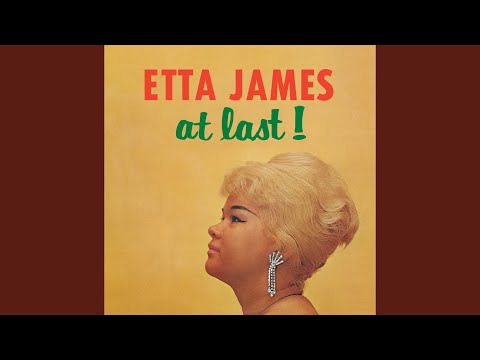
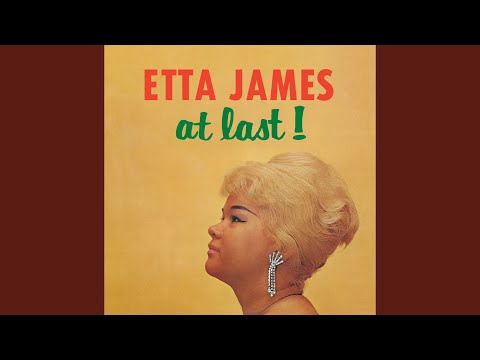


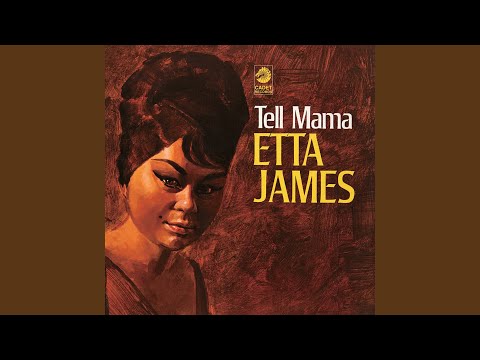
→ More from the 1960s File
View all 1960s hits →




Keep digging