The 1960s File Feature
Stop Her On Sight (S.O.S.)
Stop Her On Sight (S.O.S.) by Edwin Starr Step into early 1966, when soul music was full of energy and Edwin Starr delivered a driving, urgent soul track tha…
01 The Story
"Stop Her On Sight (S.O.S.)" by Edwin Starr
Step into early 1966, when soul music was full of energy and Edwin Starr delivered a driving, urgent soul track that showcased his powerful voice. With "Stop Her On Sight (S.O.S.)," Starr offered an energetic, propulsive plea about a lover who has left, using the urgent distress signal of its title to convey the desperation of the situation. The song became a notable hit, an early showcase for the powerful, energetic soul style that would later make Starr a star.
A Powerful Soul Voice
Edwin Starr was a soul singer with a powerful, commanding voice and an energetic delivery that made him a distinctive talent. Starr would later become famous for his number-one anti-war anthem "War," one of the most powerful protest songs ever recorded. "Stop Her On Sight (S.O.S.)" came earlier in his career, an energetic soul track that showcased the driving power and commanding vocal style that distinguished him. The song was an early hit that demonstrated the potent, energetic soul that would define Starr's work and eventually make him a major star.
A Driving Soul Plea
The recording is built on a driving, urgent groove and Starr's powerful, commanding vocal. The mood is energetic and desperate, using the distress signal S.O.S. to convey the urgency of a lover who has left and the plea to stop her. The arrangement is propulsive and energetic, matching the urgency of the lyric. There is a powerful, driving quality throughout, the sound of a commanding soul singer pouring energy and feeling into an urgent plea. It captures the energetic, potent soul style that distinguished Edwin Starr from the start of his career.
A Strong Run on the Hot 100
The single performed well during its chart run. It debuted on the Billboard Hot 100 on February 19, 1966, at number 88, then climbed steadily through 78, then 70, then 61, reaching its peak of number 48 during the week of March 26, 1966. Across its life the record spent eight weeks on the Hot 100, a solid showing that confirmed Starr's appeal and the power of his driving, energetic soul. The song established him as a distinctive talent and pointed toward the major success that would follow later in his career.
Part of a Powerful Catalog
"Stop Her On Sight (S.O.S.)" belongs to the catalog of a powerful soul singer who would go on to record one of the great protest anthems of all time, an energetic example of his driving soul style. It captures the commanding voice and potent energy that distinguished Edwin Starr. The song endures as an example of his early work, a driving soul plea delivered with power and urgency. It reflects the energetic, commanding style that made Starr a distinctive talent and pointed toward his later triumphs.
The Energy of Edwin Starr
Edwin Starr possessed one of the most powerful and energetic voices in soul music, a commanding instrument that he would later use to deliver one of the most forceful protest anthems ever recorded. That driving energy and vocal power were evident from early in his career, in songs like "Stop Her On Sight (S.O.S.)." There is a particular intensity to Starr's delivery, the way he could pour urgency and feeling into a soul track and command the listener's attention. His later anti-war anthem would demonstrate that power on a grand scale, channeling his commanding voice into a forceful statement that became a number-one hit and a defining protest song. But the energy that made that anthem so powerful was present all along, in driving soul tracks like this one. There is real significance in a singer with such a potent, commanding voice, an instrument capable of both passionate romantic plea and forceful social statement. Starr's energetic soul style distinguished him from his peers, giving his recordings a driving intensity that was uniquely his own. An urgent, energetic plea about a lost love captures that early power, the driving soul that would eventually carry him to major success. The song reflects the commanding energy and vocal power that made Edwin Starr a distinctive and ultimately important figure in soul music, a singer whose intensity set him apart.
Press play and let Edwin Starr's commanding voice and driving energy power an urgent soul plea.
"Stop Her On Sight (S.O.S.)" — Edwin Starr's singular moment on the 1960s charts.
02 Song Meaning
The Meaning Behind "Stop Her On Sight (S.O.S.)"
At its heart, this is a song about the desperate plea to recover a lost love. The title uses the urgent distress signal S.O.S. to convey the desperation of the situation, the plea to stop a lover who has left before she gets away. Edwin Starr turns that urgency into a driving, energetic soul track, capturing the desperate, energetic appeal to win back or hold onto a love that is slipping away. It is a song about romantic desperation and urgent longing.
The Urgent Plea
The central theme is desperate longing to recover love. The song's use of the distress signal captures the urgency of the situation, the desperate plea to stop a lover who has left. That sense of urgent desperation captures the panic and longing of facing the loss of love, the frantic desire to win her back or hold on before it is too late. The song dwells in that urgent appeal, expressing the desperation of romantic loss with driving energy and commanding feeling.
Urgency and Power
Emotionally, the song runs on driving, desperate urgency. The feeling is intense and energetic, matching the propulsive groove with the desperation of the plea. There is real urgency in Starr's commanding delivery, the sound of someone facing the loss of love and pleading frantically. That urgent, powerful emotional tone is the heart of the song, conveying romantic desperation with energetic intensity. It is heartbreak rendered as driving, energetic soul, full of urgency and commanding feeling.
Energetic Soul in the Mid-Sixties
The cultural context suits the song. The mid-1960s saw soul music full of energy and emotional intensity, with powerful singers delivering driving, passionate tracks about love and heartbreak. There was a strong audience for energetic soul that conveyed deep feeling with commanding power. A driving, urgent plea about a lost love fit perfectly into that landscape, reflecting the era's love of potent, energetic soul that channeled romantic emotion into propulsive, commanding music.
Why It Resonated
The song connected because the desperation it expresses is deeply relatable. Everyone understands the panic and longing of facing the loss of love, the urgent desire to hold on before it is too late. Hearing that desperation expressed with such driving energy and commanding power offered both recognition and emotional intensity. Delivered with Starr's powerful voice and energetic soul style, that urgent plea felt genuine and compelling. The combination of a universally relatable desperation and driving, energetic delivery is exactly why the song connected with soul audiences. There is a raw intensity to a soul song that channels romantic desperation into driving energy, that makes you feel the urgency of the plea. Edwin Starr possessed exactly the commanding voice to deliver that intensity, his powerful instrument conveying the frantic longing of facing the loss of love. By pouring such energy and feeling into the urgent appeal, Starr created a driving soul track that captured the desperation of romantic loss with genuine power, an early showcase for the commanding talent that would later make him a star.
→ More from Edwin Starr
View all Edwin Starr hits →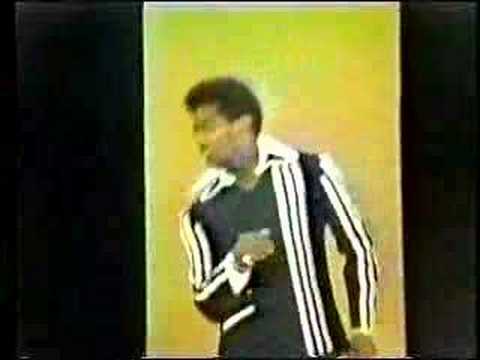


→ More from the 1960s File
View all 1960s hits →




Keep digging