The 1960s File Feature
(Theme From) Valley Of The Dolls
"(Theme From) Valley Of The Dolls" — Dionne Warwick and the Sound of Hollywood Darkness Where Pop Music Met the Silver Screen There was a moment in the late …
01 The Story
"(Theme From) Valley Of The Dolls" — Dionne Warwick and the Sound of Hollywood Darkness
Where Pop Music Met the Silver Screen
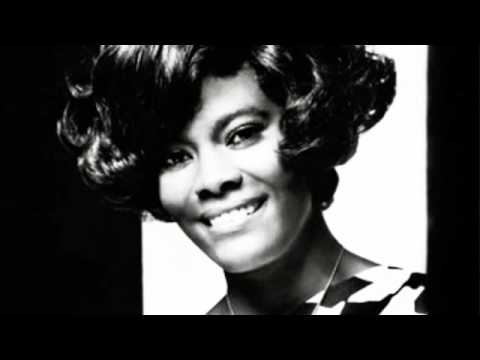
There was a moment in the late 1960s when Hollywood and the pop charts were locked in a peculiar dance. Film studios commissioned title songs and theme recordings with the same ambition they brought to casting and cinematography, understanding that a successful pop single could drive ticket sales while a film's prestige could push a record up the charts. Into this arrangement stepped Dionne Warwick in early 1968, lending her voice to the theme from Valley of the Dolls, the screen adaptation of Jacqueline Susann's enormously controversial best-selling novel about women in the entertainment industry and the pharmaceutical dependencies that consumed them. The pairing of Warwick's voice with that material produced one of the more haunting pop singles of the decade.
Dionne Warwick at the Height of Her Powers
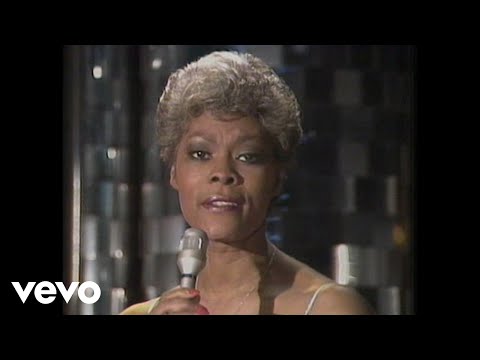
By 1968, Dionne Warwick had established herself as one of the most distinctive vocalists of the decade, largely through her collaborative work with composer Burt Bacharach and lyricist Hal David. That partnership had yielded a remarkable string of hits, and Warwick had developed a reputation for bringing emotional intelligence to sophisticated pop material. The theme from Valley of the Dolls was composed by Andre Previn and Dory Previn, with lyrics that suited Warwick's particular gift for conveying longing and bittersweet reflection. Her performance brought to the song a warmth that softened the material's underlying darkness without diminishing it.
The Chart Climb
The single entered the Billboard Hot 100 on January 20, 1968, at position 77, and proceeded to climb steadily through the winter weeks. By February 24, 1968, it had reached its peak position of number 2, spending 13 weeks total on the chart. The trajectory was impressive: position 77 in January, then 61, then 33, then 15, then 5, then continuing upward to that near-summit position 2. Only one record stood in its way from claiming the top spot, and even without reaching number 1, a peak of 2 on the Hot 100 represented a significant commercial achievement for a film theme. Radio stations in early 1968 found the orchestral pop arrangement well-suited to their programming, and the film's considerable publicity helped sustain listener interest through its chart run.
The Film and Its Cultural Footprint
The movie Valley of the Dolls had been anticipated with considerable interest and greeted with mixed critical reviews but strong audience curiosity. Susann's novel had sold millions of copies on the strength of its frank depictions of ambition, sexuality, and addiction among women in show business. The film version, released in late 1967 and playing into 1968, carried enough cultural notoriety to guarantee that its theme song would receive substantial exposure. Warwick's recording benefited from that notoriety, reaching listeners who might not have sought out a film theme on its own merits but who were curious about everything connected to the controversial property.
A Gem in a Storied Career
The theme sits a little outside the main body of Warwick's celebrated Bacharach-David recordings, which dominated public memory of her 1960s output. But the performance demonstrates her range: she could bring the same vocal intelligence and emotional specificity to other composers' material. The Andre Previn and Dory Previn composition gave her room to explore the kind of world-weary sophistication that the song's themes demanded. The result is a record that holds up as both a product of its specific cinematic moment and as an example of Warwick at her most assured.
Track it down, turn the volume up, and let that orchestral introduction wash over you the way late 1960s pop was designed to do.
"(Theme From) Valley Of The Dolls" — Dionne Warwick's singular moment on the 1960s charts.
02 Song Meaning
The Meaning Behind "(Theme From) Valley Of The Dolls" — Dionne Warwick
Dreams and Their Costs
The world that Valley of the Dolls occupied, both as a novel and as a film, was one of glamour corroded by dependency and disillusionment. The characters at the center of Jacqueline Susann's story were women who had reached for success in the entertainment industry and found that what waited on the other side of achievement was not fulfillment but a new set of pressures that pills helped manage. The theme song by Andre Previn and Dory Previn carries that emotional texture into its lyrical content, evoking a longing for something that keeps slipping out of reach. Warwick's performance renders this as something more than soap opera: her vocal weight turns the material into a genuine meditation on aspiration and its shadow side.
Women's Experience at the Center
What made Susann's source novel so culturally explosive was its insistence on placing women's internal lives, ambitions, and sufferings at the center of a commercially successful narrative. In 1966 and 1967, that was genuinely unusual in mainstream entertainment. The theme song inherits that perspective. The lyrics address the desire for something more, a reaching quality that spoke to female audiences who recognized the gap between how success was supposed to feel and how it actually felt. Dionne Warwick, as a Black woman who had built a formidable career in an industry with its own particular gatekeeping, brought a layer of authentic understanding to material about striving and the costs attached.
The Sound of 1968
Musically, the recording sits at a specific intersection of Hollywood orchestration and contemporary pop sensibility. Andre Previn was a classically trained composer and conductor who moved between jazz, film scoring, and classical performance with unusual ease. His arrangement for the Valley of the Dolls theme drew on the lush orchestral style that had defined prestige film music through the 1960s, while Warwick's pop phrasing and vocal approach kept it accessible to radio audiences. The result was a record that functioned equally well as a film tie-in and as a standalone pop single, a balance that not all film themes managed to achieve in that era.
Resonance Beyond the Film
The film itself has had a complicated legacy, absorbed into camp culture over the decades while the novel retained a more serious reputation as a document of how entertainment industry culture processed and exploited women. Through all of that cultural reshuffling, the theme song has retained a certain dignity. Warwick's vocal performance transcends the film's mixed reception, existing independently as a record of what early 1968 pop could sound like when it aimed for emotional depth. The song's longing quality outlasts its specific cinematic context, speaking to a more general human experience of reaching for something just beyond grasp.
Why the Song Holds
Theme songs from films of this era often feel dated in ways the best pop singles do not: they carry too much of the specific production style and thematic preoccupations of their source material. What keeps the Warwick recording vital is the performance itself. She sings the material as though it matters to her personally, and that conviction transfers to the listener. That quality of conviction is what separates a memorable pop performance from a professional one, and Warwick brought it consistently throughout her 1960s output.
→ More from Dionne Warwick
View all Dionne Warwick hits →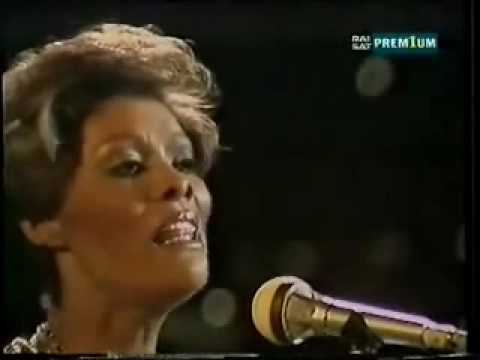
→ More from the 1960s File
View all 1960s hits →




Keep digging