The 1960s File Feature
Lovers Who Wander
Dion Celebrates the Restless Heart on Lovers Who Wander Step back to the spring of 1962, when the swaggering sound of early rock and roll still ruled the air…
01 The Story
Dion Celebrates the Restless Heart on "Lovers Who Wander"
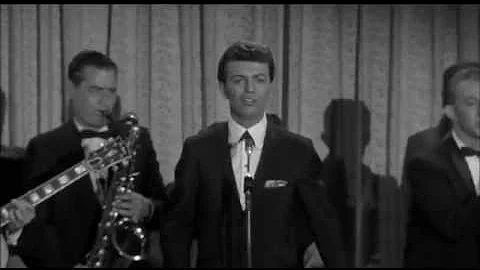
Step back to the spring of 1962, when the swaggering sound of early rock and roll still ruled the airwaves and one charismatic singer from the Bronx was among its biggest stars. The era of the streetwise teen idol was at its height, full of finger-snapping rhythm and confident bravado. Dion delivered "Lovers Who Wander," a buoyant, infectious hit that captured his trademark cool and gave him another major chart success.
The Bronx's Coolest Voice
By 1962 Dion was one of the most successful and distinctive solo artists in American pop. He had first found fame fronting Dion and the Belmonts before launching a hugely successful solo career, scoring a string of hits defined by his confident, rhythmic style and streetwise charm. His earlier solo smash had topped the charts and made him a household name. Dion brought an Italian-American Bronx swagger to rock and roll, a tough-but-tender persona that set him apart from the cleaner-cut teen idols of the day. He was at the peak of his powers, riding a wave of popularity built on his unmistakable voice and attitude.
That blend of vulnerability and bravado made him one of the era's most charismatic performers, equally convincing in heartbreak and celebration.
An Infectious Rock-and-Roll Hit
"Lovers Who Wander" rode a bouncing, irresistible groove topped with Dion's confident vocal and the catchy, chanting backing that defined his sound. The song had a playful, celebratory energy, built around the idea of restless lovers who roam from one romance to the next. It carried all the finger-snapping swagger of early-sixties rock and roll, the kind of song made for transistor radios and sock hops. The production was bright and rhythmic, perfectly suited to Dion's streetwise charisma and his gift for an unforgettable hook.
A Climb to Number Three
The single entered the Billboard Hot 100 on the chart dated April 21, 1962, at number 86. It then shot up the chart with remarkable speed, leaping to 64, then 33, then 19, then 13 in successive weeks. "Lovers Who Wander" reached its peak of number 3 on the chart dated June 9, 1962, giving Dion another major top-five hit. The song spent twelve weeks on the Hot 100 in total. Reaching the top three confirmed Dion's status as one of the dominant pop stars of the early sixties, capable of delivering smash after smash. The rapid climb reflected the immediate, infectious appeal of the record.
That success cemented an extraordinary run for Dion, placing him among the most consistent hitmakers of the pre-British-Invasion era.
A Snapshot of an Era
"Lovers Who Wander" stands as one of Dion's classic hits, a perfect example of the swaggering rock and roll that made him a star. The song captures a vibrant moment in American music, just before the British Invasion would reshape the landscape entirely. For fans of early-sixties pop, it remains an irresistible time capsule, instantly evoking the energy and attitude of the era. The track stands as a testament to Dion's charisma and his gift for crafting an unforgettable, hook-laden hit.
Dion would later reinvent himself in fascinating ways, moving toward folk and blues and earning fresh respect in the decades that followed, but songs like this one preserve him at the joyful peak of his early stardom, when his streetwise charm was at its most irresistible and his hit-making instincts were as sharp and unerring as they would ever be.
Press Play for Vintage Cool
Put on Dion's "Lovers Who Wander" and let its bouncing groove and effortless swagger sweep you up. It is early-sixties rock and roll at its most charismatic and infectious, the sound of a star in complete command of his cool. Few songs capture the energy of the era quite so vividly.
"Lovers Who Wander" — Dion's singular moment on the 1960s charts.
02 Song Meaning
Restlessness and Romance in "Lovers Who Wander"
This is a song about the restless, roaming heart, about lovers who cannot settle down and drift from one romance to the next. Rather than mourning that restlessness, the song celebrates it with a playful, knowing wink. It captures the swaggering spirit of early-sixties rock and roll, where romantic adventure was as much fun as it was risky.
The Roaming Heart
The central theme is romantic restlessness. The song describes lovers who wander, unable or unwilling to stay tied to one person. There is a bittersweet honesty in that, an acknowledgment that some hearts are made for roaming. The lyric does not condemn this tendency so much as observe it, with a mix of amusement and rueful recognition. It captures a universal truth about the pull of new romance.
Celebration Over Regret
The song leans toward celebration rather than sorrow. It treats the wandering heart as a source of energy and fun, not just heartache. That buoyant, upbeat spirit gives the lyric its charm. Rather than lamenting the lovers who cannot commit, the song finds joy in their restless adventures, framing the roaming life as something exciting and full of possibility.
The Swagger of the Era
The song reflects the confident, streetwise attitude of early-sixties rock and roll. Dion's cool persona embodies the carefree spirit of the wandering lover, delivering the lyric with a knowing charm. That swagger was central to his appeal, and it shapes the meaning of the song, turning a tale of restlessness into a celebration of youthful freedom and charisma.
Why It Resonated
The pull of romantic adventure is something many people feel, especially in youth. Listeners recognized the restless heart in themselves or in those around them, and the song gave that feeling an irresistible, danceable form. Its blend of honesty and fun made it relatable and joyful at once.
A Joyful Restlessness
What endures is the song's spirit of carefree romantic adventure. It does not moralize or wallow; it simply observes the wandering heart with affection and sets it to an irresistible groove. That joyful, knowing celebration of restlessness is the song's lasting appeal, a vivid snapshot of young love at its most footloose. There is a timeless honesty in admitting that not every heart wants to settle, that some people are forever drawn toward the next adventure. The song refuses to judge that impulse, choosing instead to dance along with it. That generous, good-humored acceptance of human nature is part of why the song still charms, decades after the era that produced it. It captures a feeling that every restless young person has known, and it sets that feeling to a groove impossible to resist.
→ More from Dion
View all Dion hits →

→ More from the 1960s File
View all 1960s hits →




Keep digging