The 1960s File Feature
Wishing It Was You
"Wishing It Was You" — Connie Francis and the Sound of Longing in 1965 A Voice That Survived Every Shift in the Market By the spring of 1965, Connie Francis …
01 The Story
"Wishing It Was You" — Connie Francis and the Sound of Longing in 1965
A Voice That Survived Every Shift in the Market
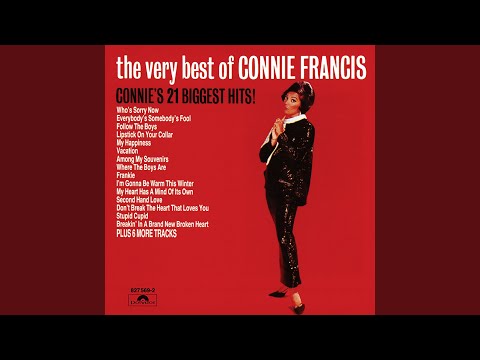
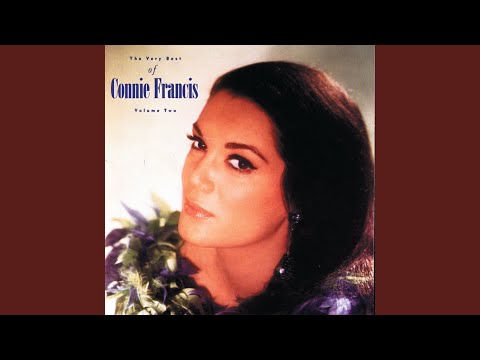
By the spring of 1965, Connie Francis had been a major star for the better part of a decade. She had scored her first number one in 1958 with Who's Sorry Now, and had spent the years since as one of the most consistent presences on the Hot 100, a distinction that required both talent and adaptability as the pop landscape kept reshaping itself around her. Connie Francis was one of the top-selling female recording artists of the late 1950s and early 1960s, racking up a string of hits that spanned teenage heartbreak, torch balladry, and novelty material with equal conviction. By 1965 the British Invasion had upended the pop hierarchy, and artists who had dominated just years earlier were finding themselves scrambling for radio attention. Francis held on better than most, because her voice, warm and technically assured, never went out of fashion even when the styles around it did.
The Record and Its Moment
"Wishing It Was You" arrived in May 1965 on MGM Records, the label that had been home to Francis for her entire recording career. The song sat comfortably in the adult pop territory she had long occupied, built around the kind of lush orchestral production that MGM favored for her recordings: sustained strings, a deliberate tempo, and plenty of room for the vocal to sit above the arrangement without competing with it.
The lyrical premise was a staple of the era's romantic vocabulary: a narrator watching from a distance as someone else occupies the emotional space she wishes she could claim. The song let Francis deploy her considerable ability to communicate ache and yearning without tipping into melodrama, a tonal balance she had been perfecting since her earliest recording sessions. The MGM production gave the track a polished, midtempo feel that suited both album-oriented adult listeners and the pop radio format without fully committing to either.
The Billboard Journey
"Wishing It Was You" debuted on the Billboard Hot 100 on May 1, 1965, entering at position 88. Its climb was steady if modest, moving from 88 to 79, then 71, then 62, before reaching its peak of number 57 on the chart dated May 29, 1965. The record spent seven weeks in total on the Hot 100. By the standards of Francis's biggest hits, those chart numbers were modest, but in the context of 1965's crowded singles landscape, placing a ballad of this character in the top 60 represented genuine commercial vitality.
The spring of 1965 was one of the more competitive periods in chart history. The Beatles had just returned from their first American tour the previous year, and their influence had triggered a wave of British acts flooding the US market. Against that backdrop, a traditional pop ballad by an American artist whose commercial peak had nominally passed required a very good song and a very distinctive voice to find any traction at all.
Francis in the Mid-Decade Landscape
The period surrounding "Wishing It Was You" was one of genuine artistic complexity for Francis. She had diversified her recording portfolio across multiple languages, releasing albums in Italian, German, Spanish, and Japanese that found substantial audiences overseas, a commercial strategy rare for American pop artists of that generation. Her domestic recordings continued to appear steadily on MGM, though the days of top-ten dominance were receding. Francis had released Looking for Love and Follow the Boys as soundtrack albums in 1964, keeping her profile high while she navigated the shifting pop terrain.
She remained a fixture on television variety programs, which in the mid-1960s were still an enormously important promotional vehicle for pop music, and her concert appearances drew reliable audiences who had grown up with her voice and stayed loyal through changing fashions. That loyalty constituted a kind of commercial infrastructure that kept her recording career alive long after the chart dominance of her peak years.
A Career That Earned Lasting Respect
Connie Francis's legacy rests not on any single record but on the cumulative weight of a sustained commercial achievement spanning more than a decade at the top of the American pop market. She demonstrated that a female vocalist could sell enormous numbers across radically different genre territories without losing her identity, and her recordings have continued to find new listeners across subsequent generations.
For anyone who wants to understand what polish and emotional intelligence sounded like in early-1960s pop, "Wishing It Was You" is exactly the place to start listening.
"Wishing It Was You" — Connie Francis's singular moment on the 1960s charts.
02 Song Meaning
"Wishing It Was You" — Longing, Distance, and the Ballad Tradition
The Architecture of Longing
Pop music has always been particularly interested in yearning, in the gap between what someone feels and what they are able to have or express. "Wishing It Was You" sits squarely in that tradition, built around a narrator observing romantic closeness from outside it. The emotional situation is not dramatic in any confrontational sense. There is no argument, no betrayal, no climax. The song's subject is the quieter, more corrosive feeling of watching someone else occupy the position you want, and understanding that wishing will not change that.
The restraint in the lyrical approach is itself expressive. A more theatrical treatment of the same premise would have reached for heightened language, for operatic comparisons, for escalating declarations. This song stays close to the ground, which is part of why Connie Francis could deliver it with such conviction. The emotional register matched her strengths as a vocalist: warmth rather than excess, feeling communicated through precision rather than volume.
What Made It Resonate in 1965
The mid-1960s were a period of significant anxiety for mainstream pop. The British Invasion had convinced radio programmers and record executives that the landscape was changing permanently, that American teen pop of the early 1960s variety had run its commercial course. In that climate, the ballad offered stability. It spoke to listeners who were not necessarily teenagers, who had grown up with the Francis sound and trusted it, who wanted something emotionally legible in a chart environment that was becoming noisier and more chaotic by the season.
There was also a generational dynamic at work. The song's premise, that of someone watching from a distance rather than acting on their feelings, carried a kind of emotional propriety that older listeners recognized from an earlier romantic vocabulary. The passivity of the narrator was not presented as weakness but as dignity, a studied understatement that the era's pop ballad tradition had cultivated carefully over many years.
Francis's Vocal Intelligence
Any analysis of why this song worked has to start with the performance. Connie Francis was one of the most technically accomplished vocalists in American pop during her commercial peak, and she brought that command to this material without making it feel effortful. The way she navigated the melodic arc of the verses, sustaining long lines without losing warmth, coloring specific words with slight tonal variations that communicated feeling without indicating it explicitly, all of this elevated what might have been simply competent material into something genuinely affecting.
The Ballad as Emotional Space
What songs like "Wishing It Was You" provided for listeners in 1965 was a particular kind of emotional permission. Longing, in the culture of that period, was often expected to be private. The conventions governing how people expressed romantic desire, particularly for women, were still substantially shaped by earlier decades' expectations of discretion and restraint. A ballad that gave those internal states a public form, that said this feeling is real and worth three minutes of radio time, performed a genuine cultural function.
The song treated its subject with seriousness without being solemn about it. That tonal calibration, accessible enough for casual listening, substantive enough to reward closer attention, is harder to achieve than it sounds, and it is one of the things that distinguished the best work of the adult pop tradition from the more formulaic material that surrounded it on the charts.
→ More from Connie Francis
View all Connie Francis hits →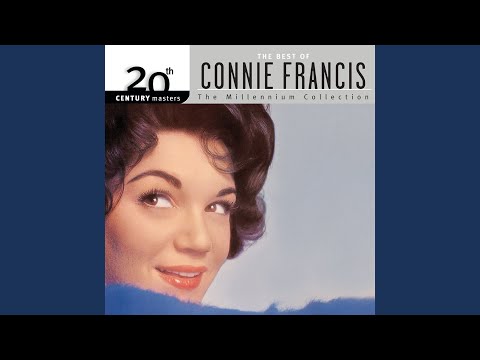

→ More from the 1960s File
View all 1960s hits →




Keep digging