The 1960s File Feature
There Will Never Be Another You
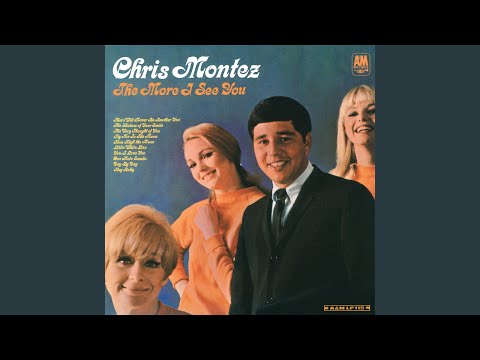
There Will Never Be Another You by Chris Montez By the warm summer of 1966, the rock and roll firebrand who had once burned up the charts with raucous early-…
01 The Story
"There Will Never Be Another You" by Chris Montez
By the warm summer of 1966, the rock and roll firebrand who had once burned up the charts with raucous early-sixties singles had quietly reinvented himself as something altogether gentler. Chris Montez returned to the spotlight with a soft, sophisticated reading of a beloved standard, his airy voice floating over a breezy, sun-dappled arrangement that felt like a warm afternoon stretching lazily into evening. The transformation was complete and convincing, and audiences embraced this new, softer Montez with real affection.
A Surprising Career Turn
Montez had first made his name with high-energy, danceable rock and roll, the kind of upbeat material that filled floors and powered AM radio. But as the mid-1960s arrived, he pivoted decisively toward a smoother, easy-listening pop sound that suited his light tenor far better. Working in that gentler mode, he found unexpected and considerable success interpreting standards and tender ballads with his soft, almost whispery delivery. Tackling a cherished jazz standard like this one fit perfectly into his new identity, the sound of a singer trading raw energy for understated, grown-up charm, and finding a fresh audience in the process.
Featherlight Pop Sophistication
The recording floats on a relaxed, sun-dappled groove, with Montez's delicate vocal gliding effortlessly above tasteful, restrained instrumentation. There is nothing heavy or demanding here, nothing that asks the listener to work. Instead the arrangement aims squarely for elegance and ease, the polished sound of mid-sixties adult pop at its most refined and inviting. His soft, intimate phrasing turns a well-worn standard into something personal and close, as if he were singing the song to you alone in a quiet room rather than broadcasting it to the masses. That intimacy is the heart of its appeal.
A Steady Climb to the Top Third
On the Hot 100 the single made a confident and sustained showing. It entered at number 90 on August 13, 1966, then surged upward through 74, 59, and 43 before reaching its peak of number 33. Across its eight weeks on the chart, the song confirmed beyond any doubt that Montez's reinvention as a soft-pop balladeer had real and lasting commercial legs. It drew in listeners who craved melody and mood over volume and noise, proving there was a sizable audience for gentle romance even in a year of musical upheaval.
A Standard Made His Own
The song had been recorded by countless artists across many decades before he approached it, a true warhorse of the standards repertoire. Yet Montez's version stands out distinctly for its lightness, warmth, and unforced sincerity. It belongs to a brief, lovely chapter in his career when he became one of the defining gentle voices of mid-sixties pop radio, a reliable source of comfort and melody. For fans of easy, romantic listening, his interpretation remains a quiet and enduring pleasure to return to.
Drift Away With It
This is music made for slowing down, for late afternoons and unhurried, contemplative moments. Press play and let Montez's feather-soft voice carry you gently along, and you may well find yourself reaching afterward for the rest of the era's gentle gems. Sometimes the softest, least showy songs are precisely the ones that leave the deepest and most lasting impression. Montez understood that a whisper can carry further than a shout when the song is right, and he built a brief, lovely second career on exactly that insight. This recording stands as one of its finest moments, a small masterclass in how much feeling a singer can convey simply by getting out of the song's way and letting the melody breathe.
"There Will Never Be Another You" — Chris Montez's singular moment on the 1960s charts.
02 Song Meaning
The Meaning Behind "There Will Never Be Another You"
This is a song about the irreplaceable nature of a beloved person, the deep conviction that no one else could ever fill the same precious space in your heart. It is a declaration of devotion, both romantic and faintly wistful, celebrating a love so singular that it sets the impossible standard against which every future love will inevitably fall short. The sentiment is grand, but Montez delivers it with disarming gentleness.
One Love Above All Others
The central idea is uniqueness, the belief that this particular person is utterly one of a kind. The lyric insists that the one being addressed cannot be replaced, that future loves, however pleasant and welcome, will always be quietly measured against this defining one. It is at once a heartfelt compliment and a quiet acknowledgment of how deeply a single person can mark and shape a life. Montez delivers the whole thing as pure tribute, entirely free of jealousy or fear, just open admiration.
Tenderness and a Touch of Melancholy
Beneath the obvious warmth runs a faint, lovely sadness, the unspoken implication that such a perfect love might not last forever even as it is being celebrated and praised. That bittersweet undertone is precisely what gives the song its real emotional depth and keeps it from feeling merely sweet. The message is devotion, certainly, but devotion gently shadowed by an awareness of impermanence and the passage of time, which makes the affection feel all the more precious and worth holding onto.
A Standard's Lasting Appeal
As an established jazz standard, the song had already proven its remarkable emotional reach across generations long before Montez ever approached it. Its themes are genuinely timeless, which is exactly why singers from era to era kept returning to it again and again. In the mid-1960s, Montez's gentle, accessible pop reading brought that classic sentiment to a fresh radio audience that was hungry for sincere, melodic romance amid a changing musical landscape.
Why It Still Moves Listeners
The song endures because its central promise speaks directly to anyone who has ever loved deeply and meant it. The idea that one person can be truly, permanently irreplaceable is both universal and deeply comforting to hear sung aloud. Montez's soft, sincere delivery makes that grand promise feel intimate and personal, and listeners tend to carry the feeling with them long after the final, gentle note has faded. There is comfort in being told, even in a song, that the love you feel is rare and worth treasuring. That reassurance never goes out of fashion, and it explains why a melody this old continues to find new hearts to settle into with every passing decade.
→ More from Chris Montez
View all Chris Montez hits →


→ More from the 1960s File
View all 1960s hits →




Keep digging