The 1960s File Feature
Big In Vegas
Big In Vegas — Buck Owens and The Buckaroos: Bakersfield's Honky-Tonk in the Entertainment Capital By 1969, Buck Owens was one of the most commercially succe…
01 The Story
Big In Vegas — Buck Owens and The Buckaroos: Bakersfield's Honky-Tonk in the Entertainment Capital
By 1969, Buck Owens was one of the most commercially successful figures in country music, a distinction he had earned through a combination of genuine artistic vision and extraordinary consistency. The Bakersfield Sound that he had developed alongside Merle Haggard and others was a deliberate counter-statement to the Nashville Sound, rejecting the lush string arrangements and pop crossover ambitions of the Nashville establishment in favor of something leaner, louder, and more directly connected to the honky-tonk and Western swing traditions of the American West. Owens had been releasing major country hits since the early 1960s, and by the time "Big In Vegas" appeared, his commercial track record was formidable.
"Big In Vegas" was recorded for Capitol Records, the label with which Owens had maintained his long and productive relationship throughout the decade. Capitol's California base made it a natural home for the Bakersfield contingent, and the label had given Owens the creative latitude to develop his sound without the pressure to accommodate the Nashville production aesthetic. The recordings he made at Capitol during the 1960s form one of the most coherent and distinguished bodies of work in country music history, and "Big In Vegas" sits within that larger project as a self-aware meditation on celebrity and performance culture.
The song's subject matter was somewhat unusual for country music of the period. Rather than the standard themes of heartbreak, drinking, and the difficulties of rural life, "Big In Vegas" addressed the experience of success itself, specifically the experience of being a celebrated performer in Las Vegas, the city that had become the apex destination for entertainers seeking mainstream American acceptance. By 1969, Las Vegas was the setting for some of the most commercially significant live performance in America; artists who played the major hotel showrooms were reaching audiences and generating revenues that touring the normal circuit could not match.
The lyrical treatment of Las Vegas success was not straightforwardly celebratory. Owens and his collaborators were aware of the complex position that country music occupied in the broader American entertainment landscape, and the song engaged with questions of authenticity, identity, and the relationship between an artist's roots and the demands of mainstream success. Being big in Vegas meant something specific in 1969, a kind of mainstream American validation that the country music establishment in Nashville was pursuing aggressively through crossover strategies. Owens, whose Bakersfield ethos was defined partly in opposition to such strategies, brought a knowing quality to the material.
The recording featured The Buckaroos, Owens's touring and recording band, whose instrumental contributions were central to the Bakersfield Sound. The Buckaroos included players of considerable technical ability who were committed to the lean, electric sound that defined the approach. Where Nashville productions of the period would often overdub additional string or vocal elements in post-production, the Owens-Buckaroos recordings valued the sound of musicians playing together in a room, and "Big In Vegas" maintained that aesthetic even as its subject matter engaged with the glitzier end of the American entertainment spectrum.
The single charted on the Billboard country charts and performed creditably within that context, adding to Owens's already substantial list of chart successes. His track record through the 1960s was remarkable by any standard: he accumulated a long run of number one country singles across the decade, a consistency that few artists in any genre have matched. "Big In Vegas" may not have reached the absolute top of the country chart, but it performed within the parameters of the successful run he had established, and its subject matter gave it a cultural resonance that strictly conventional country subjects would not have provided.
Owens was simultaneously establishing himself as a television personality through "Hee Haw," the CBS variety show that premiered in 1969 and ran for decades. The show gave him a national platform that extended well beyond the country music audience, introducing him to millions of viewers who might not have sought out his recordings independently. The overlap between "Big In Vegas" and the "Hee Haw" launch was not coincidental; both reflected Owens's ambitions in the broader entertainment landscape, even as his artistic values remained rooted in the Bakersfield tradition.
The cultural legacy of the recording lies partly in what it says about the moment in country music history when it was made. The late 1960s were a period of active negotiation between country music's roots-oriented values and the mainstream American entertainment industry's appetite for the genre's commercial potential. Artists like Owens occupied a complex position in that negotiation, committed to artistic principles that distinguished them from Nashville orthodoxy while also pursuing the kind of mainstream success that Las Vegas represented. "Big In Vegas" gave that tension a title and a melody.
02 Song Meaning
Big In Vegas — Performance, Authenticity, and the Country Artist's Complicated Relationship with Success
"Big In Vegas" is a song that thinks about what it means to be successful in a particular kind of way, and the thinking it does is more complex than the surface cheerfulness of its presentation might initially suggest. Las Vegas in 1969 represented a specific kind of mainstream American entertainment validation, glamorous, lucrative, and somewhat distant from the working-class honky-tonk roots that had defined country music's authentic core. A country artist who was "big in Vegas" had achieved something significant, but what exactly had been achieved, and at what cost to the values that had made the achievement possible in the first place?
Buck Owens was well positioned to explore these questions because his artistic identity was built on a principled opposition to the kind of crossover softening that Nashville was pursuing. The Bakersfield Sound's whole rationale was a refusal of mainstream accommodation; it insisted on a rawer, more electric, more direct approach to country music that honored the tradition without prettifying it. Yet here was Owens making a song about Las Vegas success, which implied a level of mainstream engagement that complicated the Bakersfield identity in interesting ways.
The song's treatment of Las Vegas success carries a quality of self-conscious observation that gives it documentary value beyond mere celebration. The entertainment capital was a place where performers of every genre went to be validated by the mainstream audience, and country music's relationship to that validation was not simple. The country music establishment of the 1960s was actively pursuing mainstream acceptance through various crossover strategies, and the Las Vegas showroom circuit was one of the primary venues in which that pursuit was staged. A song that put Las Vegas achievement at its center was engaging with this larger cultural negotiation, even if it did so through the relatively unpretentious medium of a mid-tempo country single.
The Buckaroos' instrumental approach on the recording maintained the Bakersfield aesthetic even as the lyrical content engaged with the world of Las Vegas entertainment. This tension between the sound and the subject is itself meaningful; it suggests that Bakersfield values could be taken into the entertainment capital without being abandoned there, that an artist could be big in Vegas while remaining committed to the musical principles that had made him significant in the first place. Whether that argument is fully convincing is something listeners can evaluate themselves, but the attempt to make it is evident in the recording.
For Owens's catalog, "Big In Vegas" serves as a document of a specific moment in his career when his ambitions and his principles were operating in productive tension. His simultaneous launch of "Hee Haw" in 1969 placed him at the center of national entertainment in a way that his earlier records, however successful within country music, had not. The song captures the artist at the point of maximum cultural visibility, self-aware enough to make the visibility itself a subject, grounded enough in his artistic identity to maintain the Bakersfield Sound even while the lyrics described a very different kind of environment. That combination of awareness and groundedness is what gives the song its particular character within his body of work.
The meaning of Vegas success has also changed over the subsequent decades as Las Vegas itself has transformed from a particular kind of mid-century American entertainment destination into something more varied and less culturally specific. For contemporary listeners, the Las Vegas that "Big In Vegas" describes requires some historical contextualization to be fully understood. But the underlying question the song raises, about what mainstream success costs and what it confirms about an artist's identity, remains relevant in any era and in any entertainment context.
→ More from Buck Owens and The Buckaroos
View all Buck Owens and The Buckaroos hits →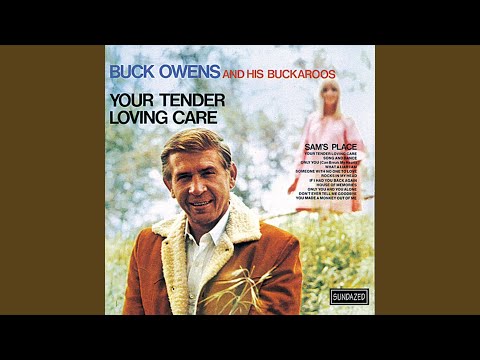

→ More from the 1960s File
View all 1960s hits →




Keep digging