The 1960s File Feature
Rockin' In The Same Old Boat
The Story Behind Rockin in the Same Old Boat by Bobby Bland Late 1968 found soul and blues music at a fascinating crossroads. Motown s polish dominated pop r…
01 The Story
The Story Behind "Rockin' in the Same Old Boat" by Bobby Bland
Late 1968 found soul and blues music at a fascinating crossroads. Motown's polish dominated pop radio, Stax's Southern grit was reshaping R&B, and somewhere in between stood Bobby "Blue" Bland, a Memphis-bred vocalist whose smoky, gospel-trained baritone had already made him one of the defining voices of blues-soul for over a decade. By the time "Rockin' in the Same Old Boat" hit the airwaves, Bland was a veteran presence navigating a rapidly changing musical landscape, one where the old guard of blues shouters increasingly shared airtime with younger soul stylists.
A Veteran Voice in a Changing Era
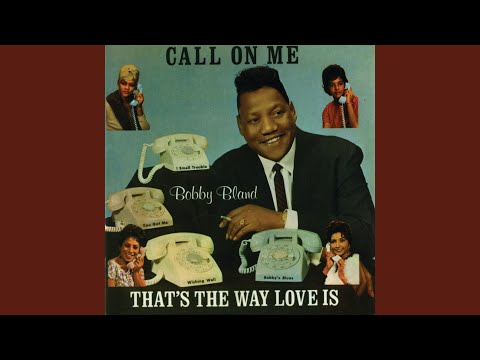
Bland had built his career on the Duke label out of Houston, delivering hits like "Turn On Your Love Light" and "That's the Way Love Is" throughout the 1960s, backed by arrangements that fused blues phrasing with horn-driven soul dynamics. By late 1968, with psychedelic rock and Southern soul reshaping the pop landscape, Bland remained a reliable presence on the R&B charts, a singer whose emotional command never wavered even as trends shifted around him. "Rockin' in the Same Old Boat" found him leaning into that dependable blues-soul foundation, a groove-heavy number built for the chitlin circuit crowds who had followed him for years and knew exactly what they wanted from a Bobby Bland record.
A Steady, Unhurried Climb
The single debuted on the Billboard Hot 100 on November 16, 1968, at number 77, and held there the following week before beginning a gradual ascent: number 69, then 65, then 64. That patient, incremental movement continued into the new year, with the song eventually reaching its peak position of number 58 on January 4, 1969. In total, the record spent 10 weeks on the chart, a run that reflects steady regional and R&B radio support rather than a single explosive breakout moment. It was the kind of performance typical for a blues artist whose core audience remained fiercely loyal even as pop crossover proved elusive, week after week of small gains rather than a single dramatic surge.
The Duke Records Sound
Sonically, the track carries the hallmarks of the Duke and Peacock studio sound that defined so much of Bland's output: punchy horns, a tight rhythm section, and Bland's own vocal delivery riding somewhere between sung melody and spoken testimony. That blend of blues phrasing and soul arrangement had become something of a signature by this point in his career, distinguishing him from both the smoother Motown sound and the rawer Stax approach happening simultaneously in Memphis.
A Reliable Entry in a Storied Catalog
Within Bland's broader discography, this single doesn't rank among his most celebrated singles, but it reinforces just how consistently he charted throughout the late 1960s. For an artist whose career stretched across four decades, records like this one are proof of remarkable staying power, a working vocalist who kept finding an audience on R&B radio even as the broader pop conversation moved toward rock and psychedelia, never chasing trends he had no interest in following.
Cue it up and let that unmistakable Bland baritone carry you back to the Duke Records era.
Craft Beneath the Surface
It is easy to overlook the sheer skill required to make a record that connects with a mass audience, however briefly. Behind every charting single stood songwriters, arrangers, and performers making countless deliberate choices about melody, phrasing, and feel. This recording reflects that invisible labor, the careful shaping of a few minutes of sound into something that could move listeners and earn its place on the national chart. Recognizing that craft deepens your appreciation of even the most modest hit, reminding you that no chart entry arrives entirely by accident.
The Listener's Verdict
In the end, what placed this song on the chart was nothing more or less than the collective decision of countless individual listeners who chose to buy it, request it, and play it again. That grassroots verdict is the truest measure of a record's contemporary appeal, a direct reflection of what genuinely moved people at the time. The song's presence on the countdown stands as evidence of real human connection, the sum of many small moments when the music found its way to someone and made them want to hear it once more.
"Rockin' in the Same Old Boat" — Bobby Bland's singular moment on the 1960s charts.
02 Song Meaning
What "Rockin' in the Same Old Boat" Is Really About
Blues music has always found its power in shared struggle, the sense that whatever hardship the singer is describing, the listener has likely lived through something close to it. Bobby Bland taps directly into that tradition with this song, using the image of a boat as a metaphor for a relationship, or a life circumstance, that refuses to move forward no matter how hard the people inside it row.
The Boat as Metaphor
The central image, being stuck "rockin' in the same old boat," suggests stagnation and repetition, the sensation of being tossed around by circumstance without ever actually reaching land. In blues tradition, water and boats often symbolize both danger and the passage of time, and here the metaphor leans toward frustration: the narrator and whoever shares this figurative vessel with him are caught in a cycle they cannot escape, whether that cycle is a troubled romance, financial hardship, or simply the weight of unresolved history between two people.
Shared Suffering, Not Solitary Pain
What distinguishes this theme from a simple lament is the communal framing. The boat holds more than one person; the trouble is shared, even if it isn't equally welcomed by everyone aboard. That framing reflects a broader blues convention, turning personal hardship into something almost universal, a condition anyone can recognize from their own life, whether the specific boat is a marriage, a job, or a hometown that never seems to change.
Bland's Vocal as Emotional Vessel
Bland was renowned for his ability to convey lived-in emotional weight without theatrics, and that restraint suits this song's theme well. Rather than shouting about the unfairness of being stuck, his delivery carries a kind of weary acceptance, the blues tradition of finding dignity and even a little humor in hardship rather than collapsing under it. That tonal balance, sorrow tempered by resilience, is part of what made Bland such an enduring figure in blues-soul music.
Resonance for a Loyal Audience
For listeners in the late 1960s, particularly Bland's core Southern and R&B audience, the song's themes of persistence through hardship carried real weight against a backdrop of social and economic uncertainty. The blues had always offered a space to name difficulty honestly, and songs like this one gave audiences permission to acknowledge their own stuck feelings while still finding something communal, even danceable, in the telling.
The song's meaning also gains depth when you consider the context in which people first encountered it. Music does not arrive in a vacuum; it enters lives already full of hopes, worries, and memories, and it takes on shades of meaning shaped by each listener's own experience. That interplay between the song's message and the individual heart receiving it is what transforms a simple recording into something personal and lasting.
A Feeling Made Universal
What gives the song its lasting resonance is the way it takes a specific sentiment and makes it feel universal, something any listener can recognize and inhabit as their own. The emotion at its core belongs to no single time or place; it is part of the shared human experience, surfacing in every generation anew. That universality is what allows the recording to keep finding fresh audiences long after the moment of its release.
→ More from Bobby Bland
View all Bobby Bland hits →


→ More from the 1960s File
View all 1960s hits →




Keep digging