The 1960s File Feature
May I
Bill Deal The Rhondels and the Beach Music Success of "May I" In the early weeks of 1969, Bill Deal The Rhondels were riding a wave of regional popularity th…
01 The Story
Bill Deal & The Rhondels and the Beach Music Success of "May I"
In the early weeks of 1969, Bill Deal & The Rhondels were riding a wave of regional popularity that was in the process of becoming something considerably larger. The group, based in Virginia Beach, Virginia, had developed their sound through years of performances along the Carolina beach music circuit, the network of coastal clubs and dance venues that had nurtured a particular strain of blue-eyed soul and rhythm-and-blues-influenced pop that catered to the dancers and vacationers who populated those venues. "May I" entered the Billboard Hot 100 on January 18, 1969, debuting at number 89 and holding at that position the following week before beginning a sustained climb that would carry it to a peak of 39 during the week of March 15, 1969.
The chart trajectory told a story of gradual momentum building: after the two weeks at 89, the single moved through 79, 70, 58, 46, and eventually to the peak of 39 over a ten-week chart run that demonstrated genuine staying power and consistent radio traction. The peak of 39 placed the single at the edge of the top 40, a commercially significant threshold that carried substantial promotional and airplay implications in an era when Top 40 radio was the primary commercial vehicle for reaching mainstream pop audiences.
The Rhondels had formed in Virginia Beach in the early 1960s, initially as a band playing dances and social events in the Tidewater area of Virginia. Bill Deal, who served as the group's vocalist and primary commercial identity, led an ensemble that had developed considerable musical polish through years of sustained live performance. The beach music circuit that had shaped their development emphasized dancing as the primary function of a live performance, which gave the Rhondels a strong rhythmic foundation and an instinctive sense of how to structure a song for maximum floor appeal. These qualities translated effectively into the recording context when the group began working with the Buddah Records subsidiary Heritage Records.
The production of "May I" reflected both the group's rhythm-and-blues foundation and the contemporary pop production values of the late 1960s. The arrangement featured the kind of driving, organ-prominent sound that had characterized the blue-eyed soul genre throughout the decade, combining elements absorbed from the African-American soul and rhythm-and-blues tradition with the particular vocal approach of a group of white musicians working in that tradition's idiom. This was a commercial formula that had produced significant hits for other acts during the same period, and the Rhondels brought sufficient musical credibility to the approach to make it work effectively for their recordings.
Heritage Records, as part of the Buddah Records family, had access to the distribution and promotional infrastructure of a label that was actively developing commercial momentum during the same period through its work with bubblegum pop acts like the 1910 Fruitgum Company and the Ohio Express. The diverse commercial roster that Buddah maintained during the late 1960s gave the label flexibility in promoting different types of pop material to different market segments, and the Rhondels' blue-eyed soul approach occupied a distinct commercial niche from the bubblegum pop for which Buddah was simultaneously building its reputation.
The regional roots of the group's commercial success were significant in understanding the chart trajectory of "May I." The band had built a genuinely loyal following in the southeastern United States through years of live performance, and that regional base provided a foundation of consistent radio support and retail sales that contributed to the single's Hot 100 performance. Regional breakouts of this kind were a recognized pathway to national chart success in the late 1960s, and the Rhondels navigated it effectively, translating their Virginia Beach and Carolina coast fanbase into a chart performance that demonstrated national commercial viability.
The beach music genre that the Rhondels helped define had its own distinct cultural ecosystem, one that was centered on the specific pleasures of coastal summer recreation and the particular social rituals of the Carolina beach clubs. The shagging dance, the regional dance style most closely associated with this music, had developed alongside the music itself as a complementary cultural practice, and the demand for appropriate dance music among the beach club circuit's patrons had created both a market for the Rhondels' recordings and a live performance context in which those recordings could be presented to their most receptive audience.
"May I" was followed by a second significant chart entry, "I've Been Hurt," which reached number 35 on the Hot 100 later in 1969, demonstrating that the commercial breakthrough achieved by the earlier single represented a genuine opening for the group rather than a one-time anomaly. The back-to-back chart performances of these two singles gave Bill Deal & The Rhondels a brief but notable national commercial presence during a year in which the Hot 100 was simultaneously absorbing the final phase of the classic 1960s pop era and the early stirrings of the stylistic transformations that would characterize the following decade.
02 Song Meaning
Permission and Longing: The Meaning of "May I" by Bill Deal & The Rhondels
The question that titles this song from Bill Deal & The Rhondels is deceptively simple. "May I" is a request for permission, a grammatically polite and socially conventional expression of desire that seeks acknowledgment and consent before proceeding. In the romantic context that the song inhabits, this construction places the speaker in a position of genuine vulnerability: the request can be refused, and the act of asking openly makes that possibility real and consequential. The song's emotional power derives substantially from this willingness to be openly needful, to make a direct appeal rather than asserting or assuming.
The blue-eyed soul context in which the Rhondels operated gave the question a particular interpretive weight. The soul and rhythm-and-blues traditions from which their sound drew its primary inspiration had developed a sophisticated vocabulary of emotional directness in romantic expression, one in which feelings were named explicitly and appeals were made with genuine urgency rather than polite circumlocution. When a blue-eyed soul act like the Rhondels worked within this vocabulary, they were committing to a mode of emotional expression that required a certain kind of sincerity and directness, qualities that their performances and recordings consistently demonstrated.
The social dynamics encoded in a song built around the word "may" are worth examining carefully. "May" is a modal verb that asks about permission rather than capability. The speaker is not asking "can I," a question about ability, but "may I," a question about allowance and social sanction. This distinction was particularly meaningful in the romantic context of the late 1960s, when social norms around courtship, consent, and the expression of desire were in the process of significant transformation. The song's insistence on permission-seeking positioned its speaker as someone who respected the other person's right to grant or withhold that permission, an orientation that had both romantic and social implications in its cultural moment.
The beach music tradition in which the Rhondels were embedded gave their engagement with romantic themes a specific social context. Beach music was fundamentally dance music, which meant that the emotional content of any given song was always partly mediated by the physical act of social dancing. When "May I" was played in the beach clubs and pavilions of the Carolina coast, the song's romantic appeal coexisted with its function as a vehicle for the social rituals of partner dancing. The question embedded in the title took on additional resonance in that context, where asking to dance with someone was itself a form of the permission-seeking the song described.
The musical arrangement that frames the lyrical content contributed to the song's meaning through its emotional directness and its rhythmic confidence. The combination of organ, rhythm section, and Bill Deal's vocal delivery created a sound that communicated genuine feeling without melodrama, using the established conventions of the soul tradition to establish emotional credibility while maintaining the accessible, radio-friendly form that allowed the song to find a broad audience beyond the regional base from which it had emerged.
The ten-week Hot 100 run that carried "May I" to number 39 in the spring of 1969 documented an audience response that transcended regional loyalty. Listeners across the country who encountered the song on radio responded to the emotional directness of the appeal and the musical confidence with which it was delivered, finding in a regional beach music group's polite but urgent question something that spoke to broadly shared experiences of desire, vulnerability, and the complicated social rituals through which romantic interest is expressed and acknowledged in human communities.
→ More from Bill Deal & The Rhondels
View all Bill Deal & The Rhondels hits →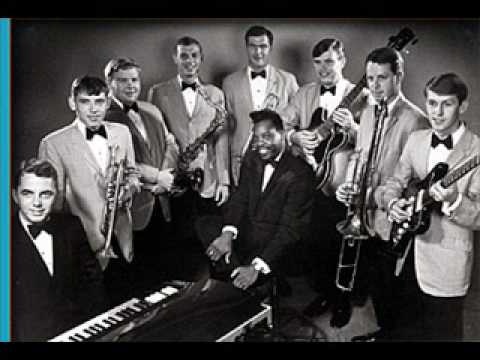

→ More from the 1960s File
View all 1960s hits →




Keep digging